Buying a Laundromat in California
SudsList Editorial · Jul 14, 2026
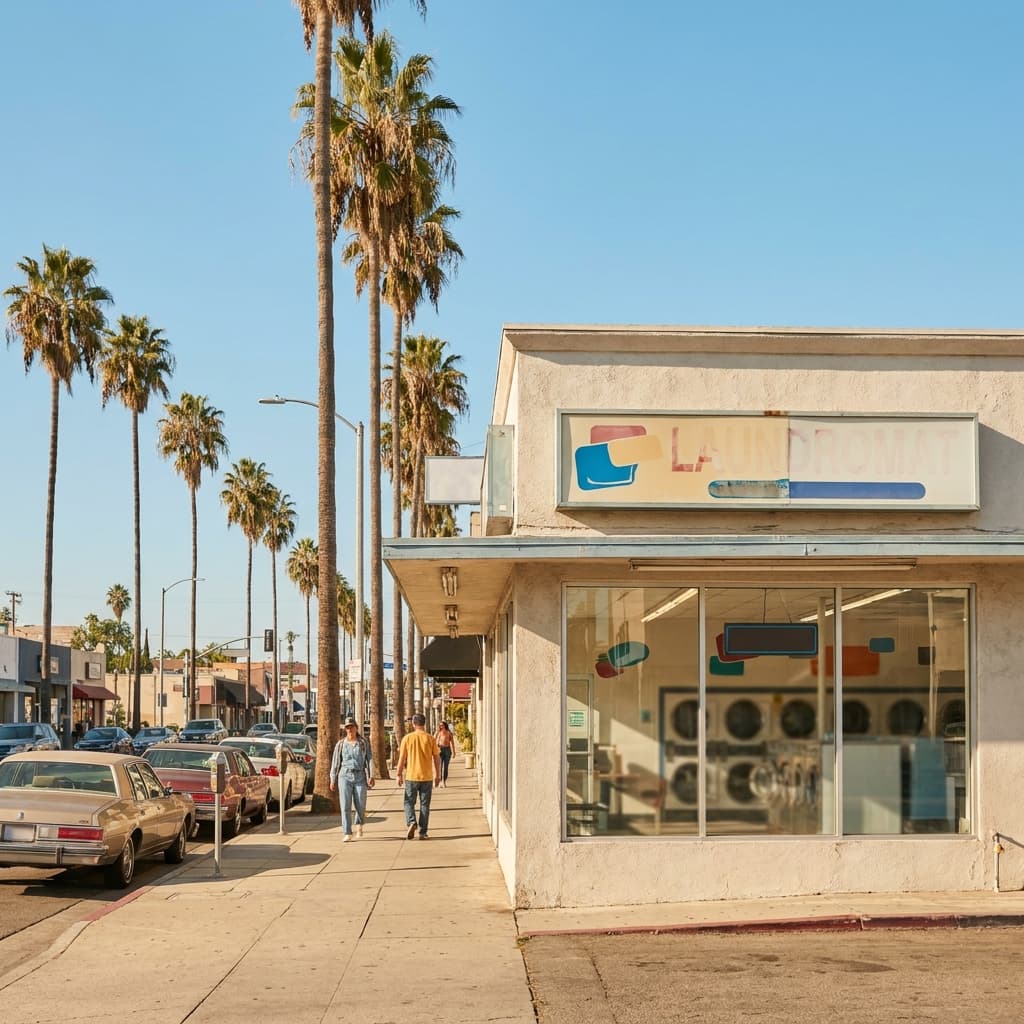
California offers some of the deepest laundromat demand in the country, concentrated in dense rental markets like Los Angeles, San Diego, and the San Francisco Bay Area. The trade-off is higher rents and water costs, which makes the lease and the utility numbers especially important when you buy. This guide covers what to focus on as a buyer in California.
Contents
- The California market
- Where the demand is
- What to check in California
- Financing and costs
- California permits and rules
- A worked example
- Where to look
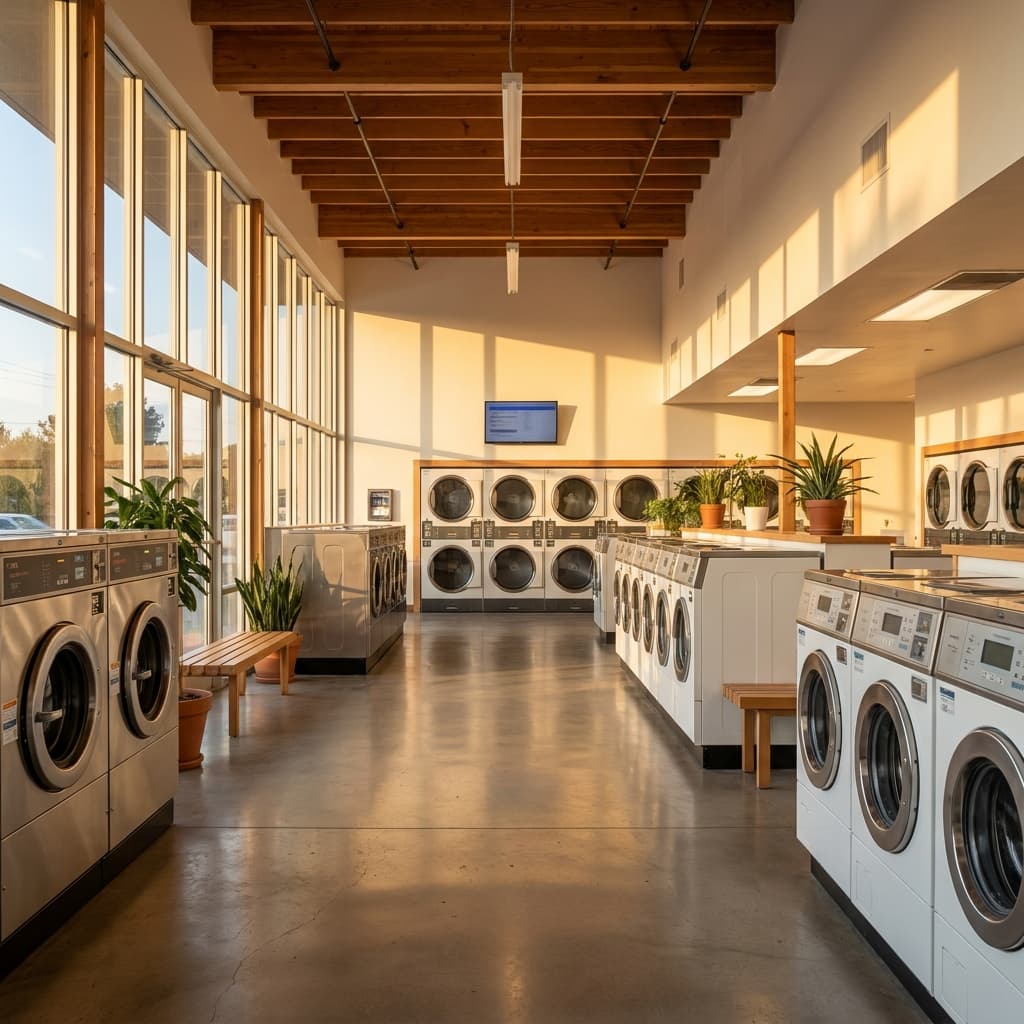
The California market
Large renter populations support steady laundromat usage across the state, and many residents lack in-unit laundry, which drives consistent demand. The flip side is that California is an expensive state to operate in, with high rents and among the higher water and sewer rates in the country. That combination means a California store can have strong revenue and still deliver a thin margin if the lease and utilities are not favorable, so the numbers matter even more than the busy floor suggests.
Where the demand is
Demand concentrates in the big metros: greater Los Angeles, San Diego, the San Francisco Bay Area, and Sacramento, along with the Central Valley and the Inland Empire. Dense, renter-heavy neighborhoods are the heart of the market. Competition is real in these areas, so location quality and store condition matter; a well-run store on a good corner can do very well, while a tired store on a weak site struggles even in a crowded city.
| Metro or region | Why it matters |
|---|---|
| Greater Los Angeles | The largest market, with dense renter neighborhoods |
| San Diego | Strong, steady coastal demand |
| San Francisco Bay Area | High demand and some of the highest rents |
| Sacramento | Growing and more affordable than the coast |
| Central Valley & Inland Empire | Lower operating costs with steady demand |
What to check in California
Because rent and water are typically higher here, scrutinize the lease and the water and sewer costs closely; together they often decide whether a California store is profitable. Confirm reported revenue against water usage, as covered in how to verify a laundromat's revenue, since utilities are the hardest numbers to fake. Check the rent-to-revenue ratio early, because high California rents can quietly consume the margin.
Financing and costs
Higher California prices mean a larger down payment in absolute terms and more working capital. Many buyers use an SBA loan; model the payments and your return with the calculators, and plan for the full cash picture as in how much money you need to buy a laundromat. Because margins can be tighter here, conservative underwriting against verified earnings matters even more than it does in cheaper markets.
California permits and rules
California adds its own layer of business and environmental rules, and requirements vary by city and county. Beyond the standard business registration and local licenses, expect attention to water use and wastewater, and confirm any local efficiency requirements for commercial equipment. Cities differ widely, so verify the specific permits with the local authorities rather than relying on a general checklist. The state's higher water costs also make efficient machines especially valuable, a point worth weighing in any purchase.
A worked example
Suppose a Los Angeles store collects $260,000 a year but pays high rent and runs older, water-hungry machines. After rent, California water and sewer, and labor, the margin is slim. A similar store in a less expensive submarket, with a reasonable lease and efficient equipment, keeps far more on the same revenue. At a typical earnings multiple, the second store is worth more despite identical collections, which is why in California you evaluate the lease and utilities as closely as the top line. Run both through the cash flow calculator before making an offer.
Where to look
Browse laundromats for sale in California, check laundry-specialist brokers, and consider owners who have not yet listed, as covered in how to find laundromats for sale. Work every deal through the due diligence checklist, with extra weight on the lease and utilities. For general guidance, the SBA is useful, and Energy Star helps you judge equipment efficiency, which matters more in a high-water-cost state.
California water and efficiency
Water deserves its own attention in California, because the state combines heavy usage with some of the higher water and sewer rates in the country. For a laundromat, where water is already the largest variable cost, that makes equipment efficiency a bigger lever here than almost anywhere else. A store running older, water-hungry machines in an expensive California water district keeps far less of every dollar than one with efficient, high-extraction equipment. When you evaluate a California store, look hard at the age and efficiency of the machines and at recent water bills, and treat an inefficient fleet as both a cost and an opportunity, since upgrading it can lift the margin meaningfully.
Common mistakes buying in California
The most common mistake California buyers make is being seduced by a busy floor and high collections without checking what the store keeps after rent and water. A packed Los Angeles laundromat can still be a poor investment if the lease is short or expensive and the machines are thirsty. A second mistake is underestimating lease risk in a high-rent market, where a steep increase or a short remaining term can erase the margin; settle the lease before you settle the purchase. A third is assuming permits and rules match another state's; California's requirements vary by city and county and deserve their own check. Avoiding these comes down to evaluating each store on what it keeps, not what it collects.
Thinking ahead to resale
Buy with the eventual sale in mind, because the same factors that make a California store hard or easy to own make it hard or easy to sell. A long, assignable lease at a reasonable rent, efficient equipment, and clean, verifiable books are exactly what the next buyer will want, and they support a strong price when you exit. In a high-cost state, a store with a weak lease or aging machines is doubly discounted at resale, so the lease terms you secure and the equipment you maintain today are part of what you will eventually walk away with.
The bottom line on California
California rewards careful buyers. The demand is deep and durable, but the high costs mean the lease, the utilities, and the equipment efficiency decide whether a store is genuinely profitable. Do the same diligence you would anywhere, then weight the lease and water costs more heavily, underwrite conservatively against verified earnings, and favor efficient equipment. When you are ready to compare specific listings, the calculators and the due diligence checklist turn a crowded market into a set of numbers you can act on.
Frequently asked questions
Are laundromats a good buy in California?
Demand is strong in dense rental markets, but high rents and water costs make the lease and utility numbers especially important. A California store can have high revenue and a thin margin, so verify both.
Where are the biggest California laundromat markets?
Greater Los Angeles, San Diego, the San Francisco Bay Area, and Sacramento, plus the Central Valley and Inland Empire, have the most activity.
What is different about buying in California?
Higher rent and water costs, larger absolute prices, and local permit and environmental rules that vary by city and county. Efficient equipment matters more because water is expensive.
How much does it cost to buy a California laundromat?
More than in cheaper states in absolute terms, which means a larger down payment and more working capital. Model your specific deal rather than relying on an average.
What should I check most carefully in California?
The lease and the water and sewer costs, since together they often decide profitability, and verified revenue reconciled against water usage.