Financing
Financing your laundromat purchase
Most buyers use a combination of sources. There are four main ways to fund a laundromat acquisition, and they differ mostly in how much you put down and how hard they are to get. Here is how they compare, which is easiest, and how to choose.
Financing options at a glance
| Option | Down payment | Ease | Best for |
|---|---|---|---|
| SBA 7(a) loans | 10% to 20% | Moderate | Most buyers who want a low down payment and a long term |
| Seller financing | Negotiable | Easiest | Bridging a gap, or a motivated seller who will carry a note |
| Conventional loans | 20% to 30%+ | Hardest | Buyers with strong credit and relevant experience |
| Equipment financing | Low | Easy | Re-tooling a store with new washers and dryers |

SBA 7(a) loans
The most common path for laundromat acquisitions. Long terms and modest down payments, typically 10% to 20% down with up to a 10-year term for a business-only purchase. More paperwork and a slower close, but the best terms for most buyers.
Read the full guide →
Seller financing
Many laundromat sellers will carry a portion of the purchase price. Seller notes have the least paperwork, can bridge a financing gap, and signal seller confidence to lenders. The catch is the seller has to agree.
Read the full guide →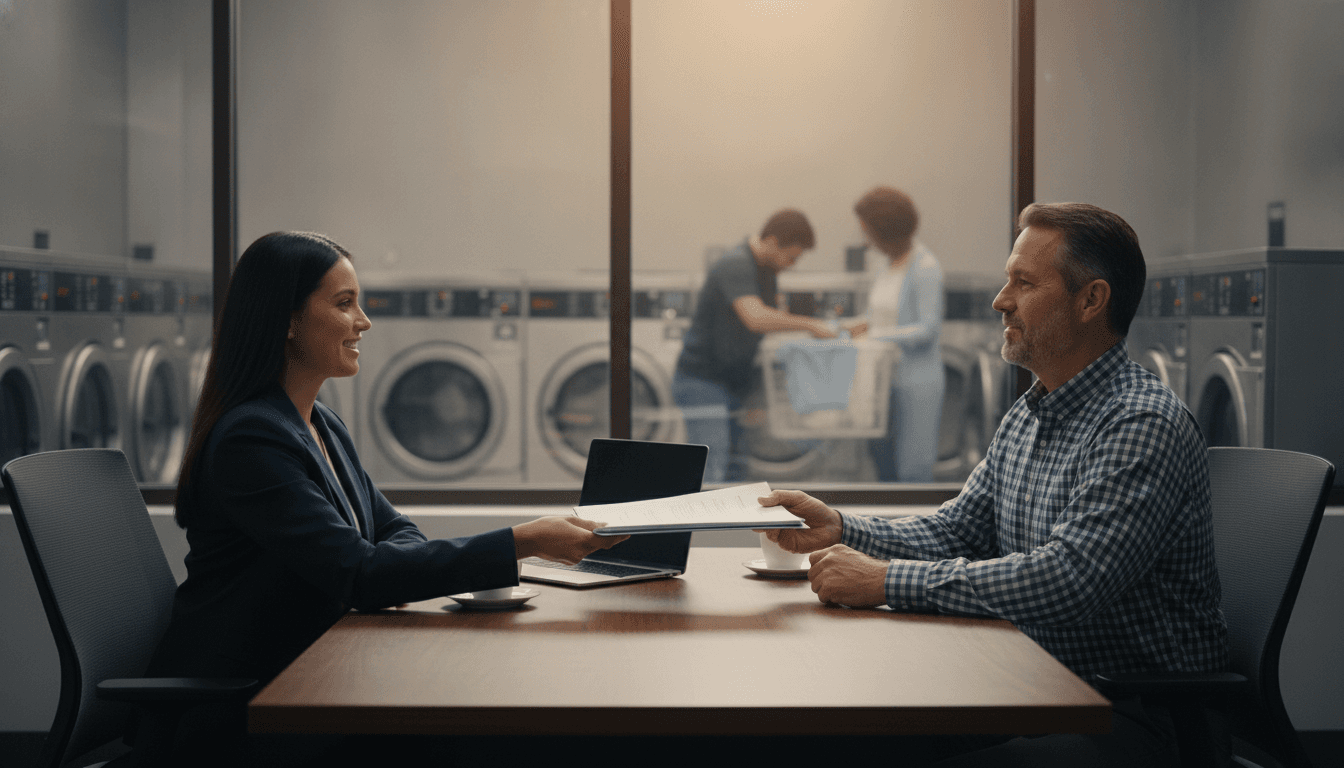
Conventional loans
Banks and credit unions may finance acquisitions for buyers with strong credit and relevant experience, often with larger down payments than SBA. Fewer program rules, but a higher bar to qualify.
Read the full guide →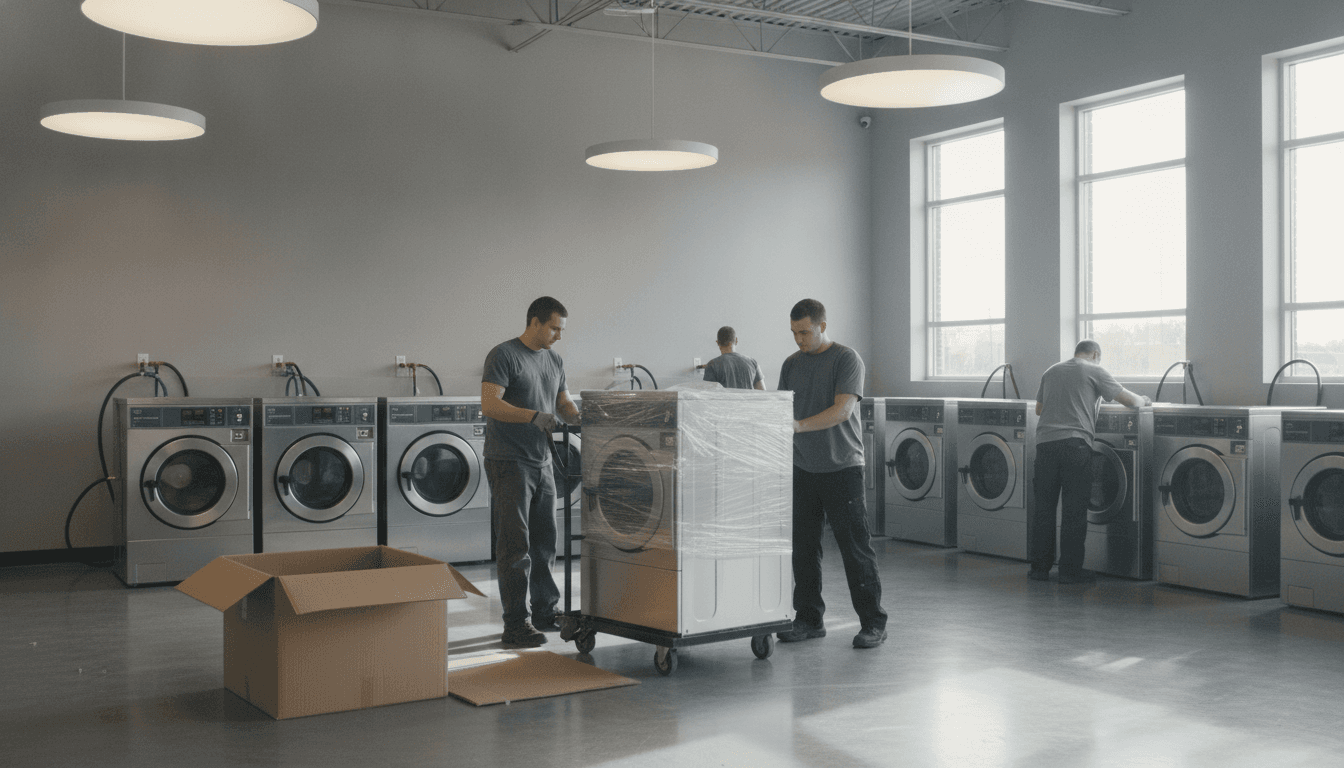
Equipment financing
Useful when you plan to re-tool a store. Lenders finance new washers and dryers against the equipment itself, which preserves your cash reserves. It only covers machines, so pair it with another source for the business.
Read the full guide →Which is easiest, and which should you choose?
The easiest financing is the one that needs the least underwriting. That is usually seller financing, because there is no bank to satisfy, only a seller who agrees to be paid over time. The trade-off is that you cannot count on it, since it depends entirely on the seller. Equipment financing is also easy to arrange, but it only pays for machines, so it is a supplement rather than a way to buy the business.
For the purchase itself, most buyers should start with an SBA 7(a) loan. It asks for the lowest down payment and gives the longest term, which keeps the monthly payment manageable. The cost is paperwork and a slower close. A conventional loan is the hardest to get and usually wants the biggest down payment, so it tends to make sense only for buyers with strong credit and relevant experience who want to skip the SBA process.
In practice, the right answer is often a mix: an SBA or conventional loan for the bulk of the price, a seller note to bridge part of the down payment or a valuation gap, and equipment financing if the store needs new machines. Combining sources can lower the cash you need at close and make lenders more comfortable.
Common financing mistakes to avoid
- Budgeting only the down payment and forgetting closing costs and a working-capital reserve.
- Borrowing against cash flow the seller cannot document.
- Accepting a debt-service coverage ratio that barely clears the lender's 1.25x minimum, leaving no cushion.
- Modeling only today's rate on a variable-rate SBA loan instead of stress-testing a higher one.
Keep reading
Conventional vs SBA financing
How the two loan paths compare on rate, down payment, and speed.
How much down payment for an SBA loan?
What the equity injection really runs, and what else you need in cash.
SBA loan payment calculator
Model the monthly payment, cash to close, and debt-service coverage.
ROI calculator
See your cash-on-cash return once the loan payment is in.
Get matched with providers
Compare quotes from vetted lenders, insurers, and equipment distributors that work with laundromat buyers.
Get matched with an SBA laundromat lender
Compare SBA 7(a) acquisition loan offers from lenders that fund laundromat purchases, with no obligation.
See financing optionsInsure the laundromat before you close
Get a coin laundry and business insurance quote covering property, liability, and equipment breakdown.
Read the due diligence checklistPrice new washers and dryers
Connect with commercial laundry equipment distributors for pricing, financing, and installation quotes.
Read about equipment financingFrequently asked questions
What is the easiest way to finance a laundromat?
Seller financing is usually the easiest when the seller agrees to carry part of the price, because it involves the least paperwork and no bank underwriting. For a full purchase, an SBA 7(a) loan is the most common path and offers the best terms for most buyers, though it takes more documentation and time.
How much money do you need to buy a laundromat?
Plan for the down payment (commonly 10% to 20% of the price on an SBA loan), plus closing costs and a working-capital reserve. The down payment alone is not enough; budget cash to cover rent, payroll, and repairs while you take over the store.
Can you combine financing sources?
Yes, and most buyers do. A common structure is an SBA or conventional loan for the bulk of the price, a seller note to bridge part of the down payment or a valuation gap, and equipment financing to re-tool aging machines. A seller note can also strengthen a lender's confidence in the deal.
Which financing has the lowest down payment?
SBA 7(a) loans typically require the lowest equity injection, around 10% to 20%, versus 20% to 30% or more for a conventional loan. Equipment financing can also be low-down, but it only covers the machines, not the business.
Estimate your loan payment
Use the SBA loan calculator to model monthly payments, then check your cash-on-cash return.
New to the terms? Browse the laundromat glossary, or start browsing listings.