Equipment Financing for Laundromats: Funding New Washers and Dryers
SudsList Editorial · Jun 26, 2026
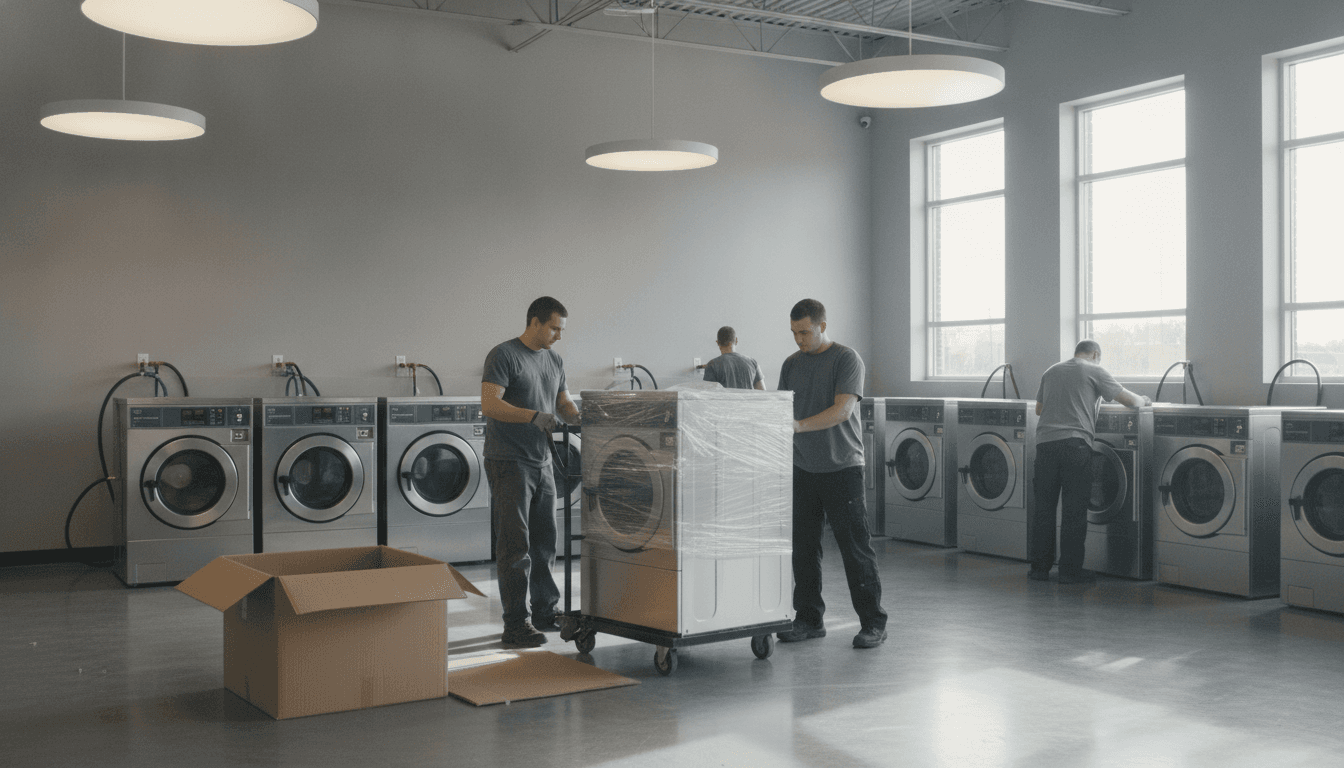
Equipment financing lets you buy new washers and dryers for a laundromat without paying the full cost up front, using the machines themselves as collateral. Instead of draining your cash to re-tool a store, you spread the cost over time through an equipment loan or lease, and the equipment secures the financing. It is most useful when you are modernizing an aging fleet, building a store, or replacing machines that are near the end of their life. This guide explains how equipment financing works, what it costs, the tax angle, and when it beats simply paying cash.
Key takeaways
- Equipment financing funds new washers and dryers over time, with the machines themselves serving as collateral.
- It is most useful for re-tooling an aging store, outfitting a new build, or replacing machines near the end of their life.
- The two main forms are an equipment loan (you own the machines) and an equipment lease (lower up-front cost, ownership varies).
- Efficient new machines can lower utilities and may qualify for rebates, which partly offsets the financing cost over time.
- Compare financing against paying cash by weighing your reserves, the tax treatment, and the return the new equipment generates.
In this guide
- What is equipment financing?
- When do you need it for a laundromat?
- How does equipment financing work?
- Equipment loan vs equipment lease
- What does equipment financing cost?
- How does it fit with an acquisition loan?
- What is the tax treatment?
- When does financing beat paying cash?
- A worked example: re-tooling a store
- How do you choose a financing provider?
- What are the risks and trade-offs?
What is equipment financing?
Equipment financing is funding used specifically to buy business equipment, with the equipment itself acting as collateral for the loan or lease. For a laundromat, that means washers, dryers, and related machinery. Because the lender can repossess the equipment if you default, this financing is often easier to obtain than an unsecured loan, and it keeps your cash free for other needs.
The defining feature is the collateral. You are not borrowing against your general creditworthiness alone; you are borrowing against an asset the lender can recover. That security is why equipment financing exists as its own category, and why lenders, distributors, and manufacturers all offer it for commercial laundry equipment.
When do you need it for a laundromat?
You need equipment financing when you are putting significant money into machines and would rather not pay all of it up front. Three situations drive most laundromat equipment financing.
- Re-tooling an existing store. Replacing an aging fleet with modern, efficient machines is a major capital expense that financing can spread out.
- Building a store from scratch. A new build requires a full set of equipment at once, a large cost financing can absorb.
- Replacing machines at end of life. Commercial washers and dryers last 15 to 20 years, so a fleet near that age represents a replacement bill financing can manage.
Recognizing this need early is part of avoiding the hidden costs of buying a laundromat: a store with old machines is carrying a future equipment expense, and knowing how you will finance it changes what the store is worth to you.
How does equipment financing work?
You apply to a lender, distributor, or manufacturer, who funds the equipment purchase and takes the machines as collateral, and you repay over a term tied to the equipment's useful life. The machines are installed and earning while you pay them off.
Because the financing is secured by the equipment, approval often hinges on the equipment's value and your ability to pay, rather than on the broader business alone. Terms are usually matched to how long the equipment lasts, so you are not still paying for machines long after they are worn out. The two main structures, a loan and a lease, differ in who owns the equipment and how much you pay up front, which is the next thing to understand.
Equipment loan vs equipment lease
An equipment loan means you borrow to buy and own the machines; an equipment lease means you pay to use them, with ownership depending on the lease type. The right choice depends on whether you want to own the equipment long-term or preserve cash and flexibility.
| Factor | Equipment loan | Equipment lease |
|---|---|---|
| Ownership | You own the machines outright | Lessor owns; you may buy out at term end |
| Up-front cost | A down payment | Often little or nothing down |
| Ongoing cost | Principal plus interest | A lease payment |
| End of term | Machines are yours, debt cleared | Return, renew, or buy out |
| Best for | Keeping the equipment long-term | Preserving cash or upgrading often |
For a laundromat, where good machines run for many years, a loan that ends in ownership often makes the most sense. A lease can suit an operator who wants minimal cash outlay or plans to upgrade frequently. Read any lease carefully for the buyout terms, since that is where the real cost difference shows up.
What does equipment financing cost?
The cost is a down payment (for a loan) plus interest or lease payments over the term, with rates that depend on your credit, the equipment, and the lender. Because the equipment secures the financing, rates can be reasonable, but they still move with the broader lending environment.
Two factors offset the cost in a way unique to laundromats. First, efficient new machines use less water and energy, lowering your largest variable expense; the U.S. EPA's Energy Star program documents the savings and lists potential utility rebates for efficient commercial laundry equipment. Second, new machines can attract customers and reduce repair downtime, supporting revenue. So the true cost is the financing cost minus the utility savings and any revenue lift the new equipment produces, which is why financing efficient machines can partly pay for itself.
How does it fit with an acquisition loan?
Equipment financing can be folded into the loan that buys the store, or kept separate for a later re-tool. How you combine them depends on the timing of the equipment need.
If you are buying a store that needs new machines right away, an SBA 7(a) loan can often include equipment in the acquisition financing, so one loan covers the business and the re-tool. If the equipment need comes later, after you have owned the store and want to modernize, separate equipment financing keeps that decision independent of your original acquisition loan. The U.S. Small Business Administration's loan programs explain what their financing can cover. For a new build rather than a purchase, equipment is a core part of your startup costs, and financing it spreads that large up-front number.
What is the tax treatment?
Business equipment generally offers favorable tax treatment, through depreciation and, in some cases, accelerated deductions, while interest on equipment financing is typically deductible. These can meaningfully lower the after-tax cost of new machines.
Businesses can usually depreciate equipment over its useful life, and tax rules sometimes allow a larger deduction in the year equipment is placed in service. The specifics depend on current law and your situation, so treat any deduction as a reason to consult a tax professional rather than a number to assume; the IRS publishes guidance on depreciating business property and deducting business interest. Combined with the utility savings from efficient machines, the tax treatment is part of why financing new equipment often costs less, after tax, than the sticker price suggests.
When does financing beat paying cash?
Financing beats cash when preserving your reserves matters more than avoiding interest, and when the new equipment earns or saves more than the financing costs. Paying cash beats financing when you have ample reserves and want no debt.
The table frames the choice.
| Way to pay | When it fits |
|---|---|
| Cash | Strong reserves, you want no debt and no interest |
| Equipment loan or lease | Re-tooling without draining your working capital |
| Part of an SBA acquisition loan | Buying a store that needs machines immediately |
The deciding factor is usually your reserve. A laundromat owner who pays cash for a full re-tool and is then caught short by a normal surprise has made a worse decision than one who financed the machines and kept a cushion. Because reserves protect the business, financing equipment to preserve cash is often the more conservative choice, not the riskier one.
A worked example: re-tooling a store
Suppose you own a laundromat with aging machines and want to install $120,000 of new, efficient equipment.
Paying cash would clear your reserves, leaving nothing for repairs or a slow month. Instead, you finance the equipment with a loan over a term matched to the machines' life, putting a portion down and spreading the rest. The new machines cut your water and gas usage, so part of the payment is offset by lower utilities, and they reduce out-of-order downtime, supporting revenue, as our guide to increasing laundromat revenue discusses.
The net effect is that you modernized the store, kept your reserve intact, and let the equipment's own savings and earnings help cover its cost, while the financing interest and depreciation are deductible. For most owners, that is a stronger position than draining cash for the same machines. Model the payment and the utility savings in the calculators before committing.
How do you choose a financing provider?
Choose a provider based on rate, flexibility, and how well they know commercial laundry equipment. You generally have three sources, and they suit different situations.
- Banks and credit unions offer equipment loans that may carry competitive rates for a strong borrower, especially where you already have a relationship.
- Equipment distributors often arrange financing as part of the sale, which can be convenient and tailored to laundry machines, though the rate deserves scrutiny.
- Manufacturers sometimes offer their own financing or lease programs on new machines, occasionally with promotional terms.
Convenience can cost you. Distributor or manufacturer financing bundled into a purchase is easy, but bundling can obscure the real rate, so always separate the equipment price from the financing terms and compare the financing on its own. Get more than one quote, read the lease buyout or loan prepayment terms, and confirm the term does not outlast the equipment's useful life. The goal is financing that matches how long the machines will last and leaves the store's cash flow comfortably able to cover the payment, not the offer that is simply easiest to sign at the counter.
What are the risks and trade-offs?
The main risk is financing equipment a store cannot justify, or over-leveraging on machines that do not pay for themselves. New equipment is not automatically a good investment; it has to earn or save its keep.
Be cautious about re-tooling a store in a weak location, where better machines will not fix the underlying problem, and about lease terms with expensive buyouts or financing that outlasts the equipment. The discipline is to tie the equipment spend to a real return: lower utilities, less downtime, or genuine new revenue, not just newer-looking machines. Decide between new and used equipment on total cost, then choose how to pay for it. Weigh equipment financing alongside the other financing options, and when you are evaluating stores, the listings note equipment details you can press a seller to verify. The Coin Laundry Association's resources help you judge whether an equipment investment fits a store's economics.
Frequently asked questions
What is equipment financing for a laundromat?
Equipment financing is funding used specifically to buy washers, dryers, and related machinery, with the equipment itself serving as collateral. Instead of paying the full cost up front, you spread it over a term through a loan or lease. Because the machines secure the financing, it is often easier to obtain than an unsecured loan and keeps your cash free for other needs.
Should I finance or pay cash for laundromat equipment?
Finance when preserving your reserves matters more than avoiding interest, and when the new machines earn or save more than the financing costs; pay cash when you have ample reserves and want no debt. Because a cash reserve protects the business from surprises, financing equipment to keep that cushion is often the more conservative choice, not the riskier one.
What is the difference between an equipment loan and an equipment lease?
With an equipment loan you borrow to buy and own the machines outright, usually with a down payment. With a lease you pay to use them with little or nothing down, and ownership depends on the lease type, you may return, renew, or buy out at the end. For laundromats, where good machines last many years, a loan that ends in ownership often makes the most sense.
Can an SBA loan cover laundromat equipment?
Often, yes. If you are buying a store that needs new machines right away, an SBA 7(a) loan can frequently include equipment in the acquisition financing, so one loan covers both the business and the re-tool. If the equipment need comes later, separate equipment financing keeps that decision independent. Confirm what is eligible with your SBA lender.
Are there tax benefits to financing laundromat equipment?
Generally yes. Business equipment can usually be depreciated, tax rules sometimes allow a larger deduction in the year it is placed in service, and interest on equipment financing is typically deductible. Combined with the utility savings from efficient machines, this lowers the after-tax cost. The specifics depend on current law, so confirm with a tax professional.