How Much Does It Cost to Buy a Laundromat?
SudsList Editorial · May 31, 2026

A laundromat commonly costs anywhere from the low six figures for a small, older coin store to well over $1 million for a large, modern store or one sold with the building. But the purchase price is only part of what you pay. Between the down payment, closing costs, working capital, and near-term repairs, the cash you actually need is meaningfully more than the sticker. This guide breaks down both the price itself and the full cost of getting in.
| Cost Component | Typical Range | Notes |
|---|---|---|
| Purchase price | $100K–$1M+ | Driven by SDE × multiple (usually 3x–5x) |
| Down payment (SBA loan) | 10%–20% of price | Plus closing costs and reserves |
| Closing costs | $8K–$20K | Loan fees, legal, escrow, lease assignment |
| Working capital reserve | $10K–$25K | First 2–3 months of fixed expenses |
| Near-term equipment repairs | $0–$30K | Depends on machine age and condition |
| Total cash needed (est.) | ~20%–30% of price | More than the down payment alone |
Contents
- How much does a laundromat cost
- What drives the price
- Costs beyond the purchase price
- A total-cost example
- Is it cheaper to build than buy
- How financing changes the cash you need
- How to be sure you are not overpaying
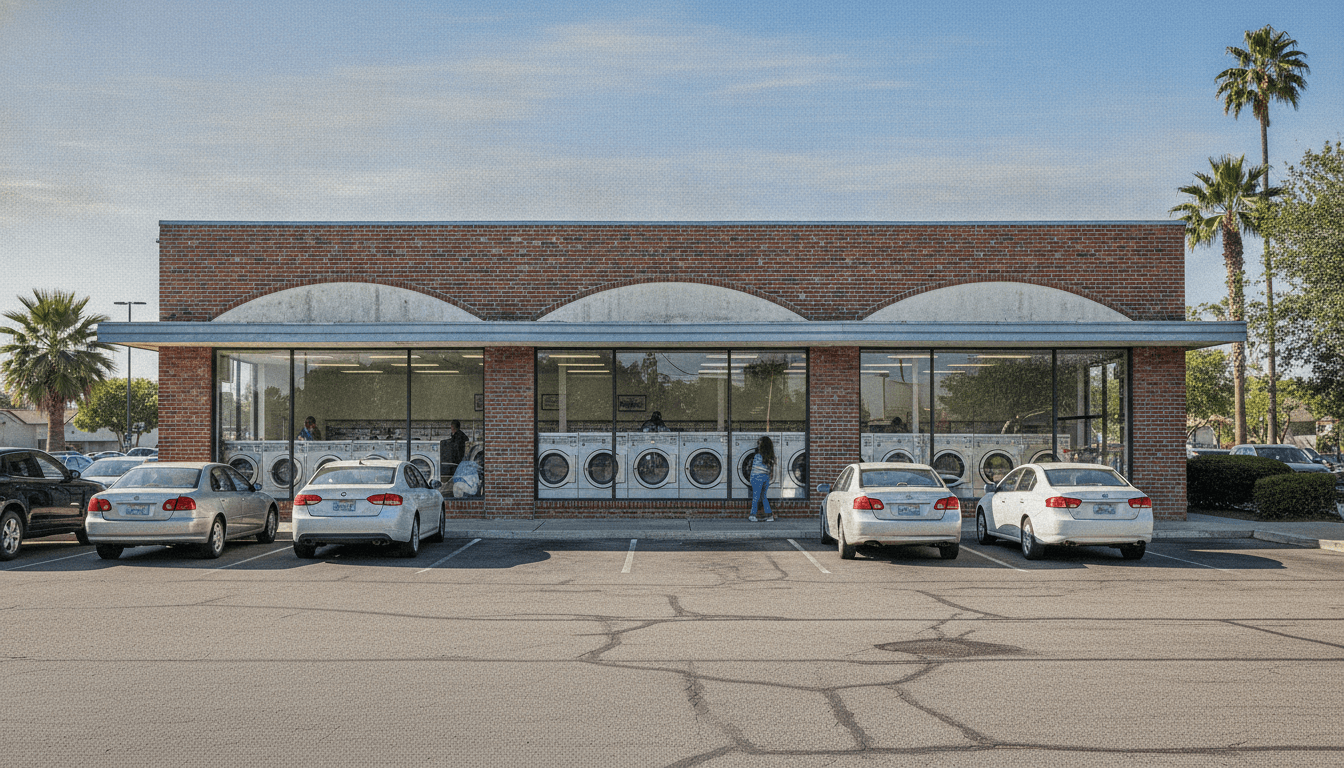
How much does a laundromat cost
There is no single number, because laundromats are priced on earnings, not size. As a rough map:
- Small, older coin stores: often the low-to-mid six figures.
- Mid-size, well-run stores with solid collections and a good lease: typically several hundred thousand dollars.
- Large, modern, attended or card stores, or any store sold with the real estate: commonly $1 million and up.
The price almost always reflects a multiple of the store's seller's discretionary earnings (SDE) — usually 3x to 5x — so two stores of similar size can carry very different prices. See how to value a laundromat for the method.
What drives the price
Five factors move a laundromat's price more than anything else.
Cash flow and how well it is documented
The biggest driver. A store with strong, provable SDE commands a higher multiple than one with the same revenue but murky books.
Lease quality
A long, assignable lease with reasonable rent supports a higher price; a short or month-to-month lease drags it down, because the income may not last.
Equipment age
Newer, efficient machines justify a premium; a fleet near the end of its life means a replacement bill that should come off the price. See how long commercial washers and dryers last.
Location and competition
Dense rental neighborhoods with limited competition earn more and sell for more.
Whether real estate is included
A store sold with its building carries a much higher total price, because you are buying two assets. Value the property separately from the business.
Costs beyond the purchase price
The price is not the whole bill. Budget for:
- Closing costs — loan fees, legal, escrow, and lease-assignment costs.
- Working capital — rent, utilities, and any payroll for the first few months while you settle in.
- Near-term repairs — any machines close to the end of their life.
- Lease deposits — landlords often require a security deposit on assignment.
- Rebranding or improvements — signage, paint, or a payment-system upgrade.
The single most common first-timer mistake is spending all available cash on the purchase and leaving nothing for these. The full cash picture is in how much money do you need to buy a laundromat.
A total-cost example
Say you buy a store priced at $450,000 with an SBA loan at 15% down. Your cash outlay looks roughly like:
- Down payment (15% of price): $67,500
- Closing costs (loan fees, legal, escrow): about $12,000
- Working-capital reserve (3 months of fixed costs): about $18,000
- Near-term equipment repairs budget: about $10,000
That is roughly $107,500 in cash to acquire a $450,000 store — about 24% of the price, not the 15% the down payment alone suggests. Planning for the full figure is what keeps you from being cash-starved in month two. (Figures are illustrative.)
Is it cheaper to build than buy
Building a new store can carry a lower purchase price, but it means a large up-front build-out, permitting, a full equipment set, and no income until you open and build a customer base. Buying an existing store costs more at the price but delivers proven cash flow from day one and lower risk. For most first-time buyers, buying wins. The trade-offs are laid out in laundromat startup costs: build vs buy.
How financing changes the cash you need
The more you finance, the less cash you need at closing, but the higher your monthly debt service — which lowers the cash flow you keep. With an SBA loan you typically put 10-20% down; a conventional loan often wants more; seller financing can reduce the cash gap further. Model how the down payment affects your monthly payment and return with the calculators before you commit.
How to be sure you are not overpaying
Run the asking price against earnings: divide it by SDE and compare to the 3x-5x range, check rent as a share of revenue, and subtract any near-term equipment replacement cost. If the multiple is well above the range with no clear reason, treat it as a flag. The full screen is in how to tell if a laundromat is overpriced, and you can test any specific price with the valuation calculator. When you are ready to compare real prices, browse laundromats for sale.
Frequently asked questions
How much does it cost to buy a laundromat?
Prices commonly range from the low six figures for a small, older store to well over $1 million for a large, modern store or one sold with the real estate. The price tracks cash flow, lease quality, equipment age, and location.
What costs come on top of the purchase price?
Closing costs (loan fees, legal, escrow, lease assignment), working capital for the first months, near-term equipment repairs, and lease deposits. Budget for these or you risk being cash-starved at the start.
How much cash do I need up front?
With SBA financing, roughly 10-20% of the price as a down payment plus closing costs and a reserve. On an all-cash deal you need the full price plus working capital.
Is it cheaper to build a laundromat than buy one?
Building can have a lower purchase price but a large up-front build-out and no income until you open. Buying costs more at purchase but comes with proven cash flow from day one.
How do I know a laundromat is not overpriced?
Compare the asking price to seller's discretionary earnings (most trade at 3x-5x), check rent as a share of revenue, and subtract any near-term equipment replacement. Use the valuation calculator.