Laundromat Cleaning Checklist That Keeps Customers Coming Back
SudsList Editorial · Aug 7, 2026
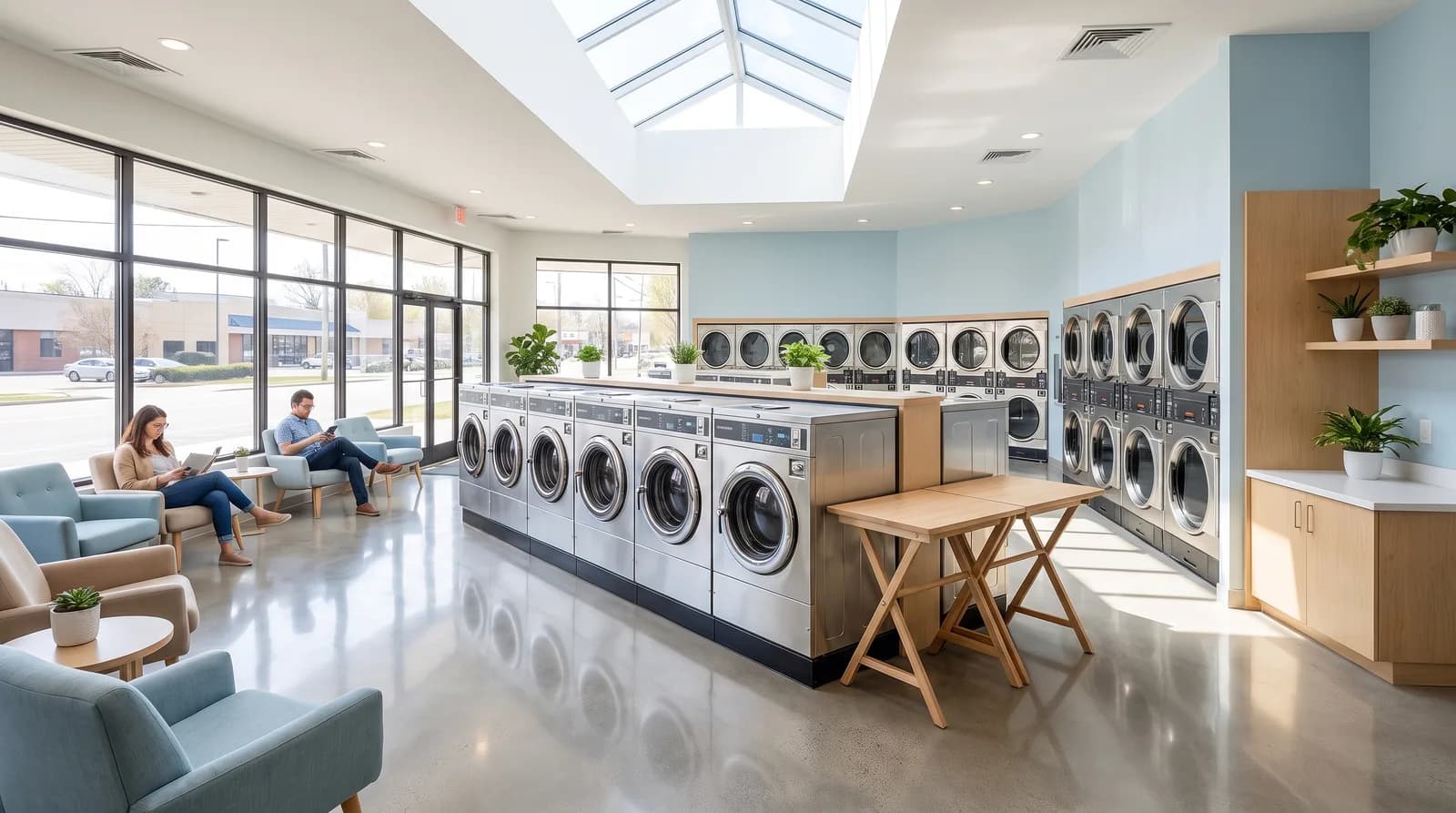
A laundromat cleaning checklist should cover machines, folding surfaces, floors, restrooms, and trash on a daily rhythm, with deeper weekly and monthly tasks layered on top. Cleanliness is the first thing customers judge and the main reason they choose one store over another nearby, so a spotless store is one of your cheapest marketing tools. The routine is simple; the discipline is doing it every day, on every shift, without exception. A clean store keeps the customers you already have, which is far cheaper than winning new ones.
Key takeaways
- The daily essentials are wiping machines and tables, cleaning restrooms, sweeping and mopping floors, and emptying trash.
- Cleanliness drives repeat business, because customers pick the store that feels safe and cared for over a dingy competitor.
- Restrooms carry outsized weight; a bad restroom loses customers faster than almost anything else.
- Layer weekly and monthly deep-cleaning on top of the daily routine so grime never builds up.
- A checklist with sign-off is what keeps cleaning from quietly slipping on busy days.
Contents
- What should a laundromat cleaning checklist cover?
- Why does cleanliness drive repeat business?
- What are the daily cleaning tasks?
- How do you keep the restrooms clean?
- What machine cleaning matters most?
- What are the weekly and monthly deep-clean tasks?
- Who should do the cleaning, an attendant or a contractor?
- How do you make sure cleaning actually happens?
What should a laundromat cleaning checklist cover?
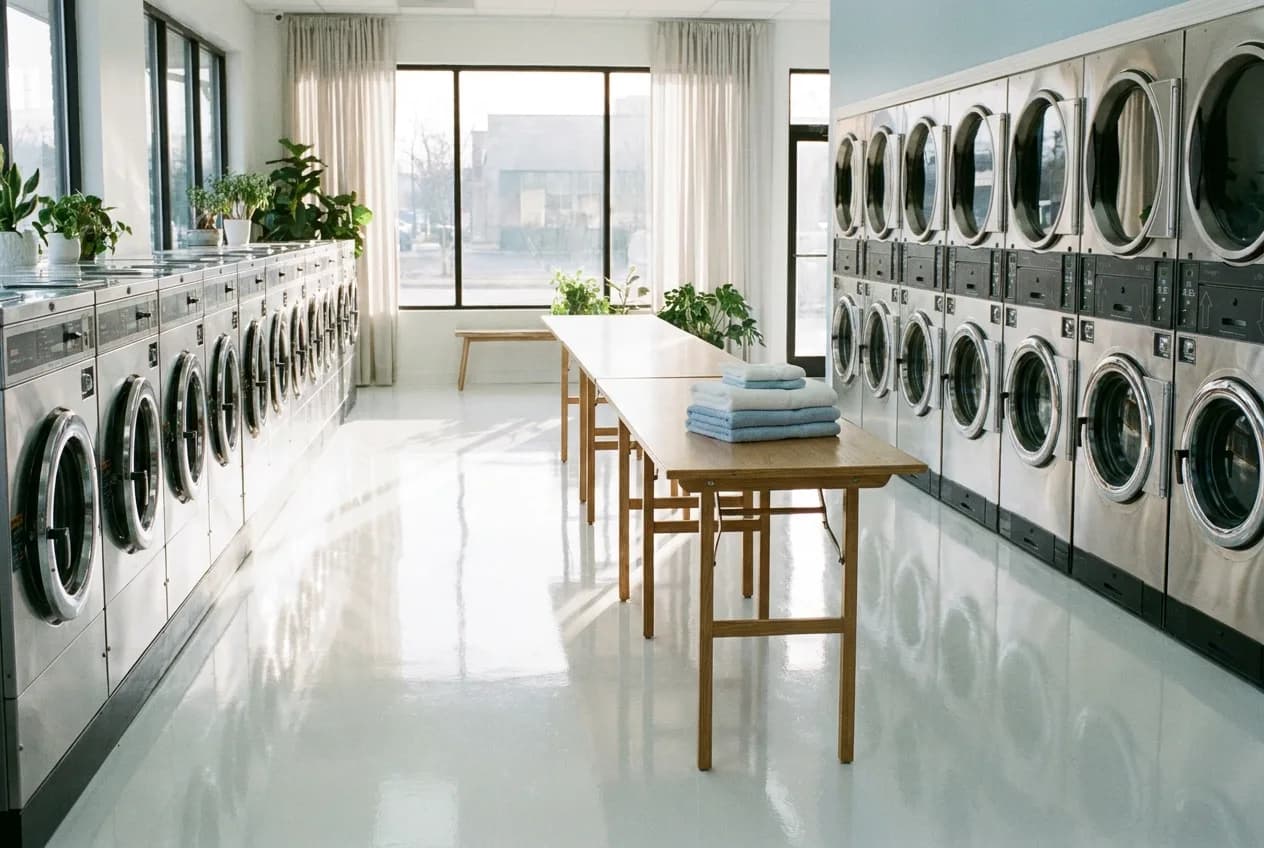
A cleaning checklist should cover every surface a customer touches or sees: machines, folding tables, seating, floors, restrooms, windows, and trash. Breaking it into daily, weekly, and monthly tasks keeps the routine manageable and stops any one area from being neglected.
The checklist is about appearance and hygiene, which is different from mechanical upkeep. For the equipment side, keeping machines running rather than looking clean, pair this with the laundromat maintenance checklist. Together they cover both how the store looks and whether it works.
Why does cleanliness drive repeat business?
Cleanliness drives repeat business because a laundromat is a place people wait, often for an hour or more, and no one wants to spend that time somewhere grimy. Given two nearby stores at similar prices, customers reliably choose the one that feels clean and safe.
A clean store also signals that someone is paying attention, which reduces vandalism, coaxes better behavior, and builds trust for higher-margin services like wash-and-fold. That trust is exactly what you want to convert into repeat visits, a theme in how to increase laundromat revenue. A dingy store, by contrast, loses customers quietly, since they simply go elsewhere and never tell you why. Presentation is cheap compared with the traffic it protects, which is why cleaning belongs in any serious plan for how to market a laundromat.
What are the daily cleaning tasks?
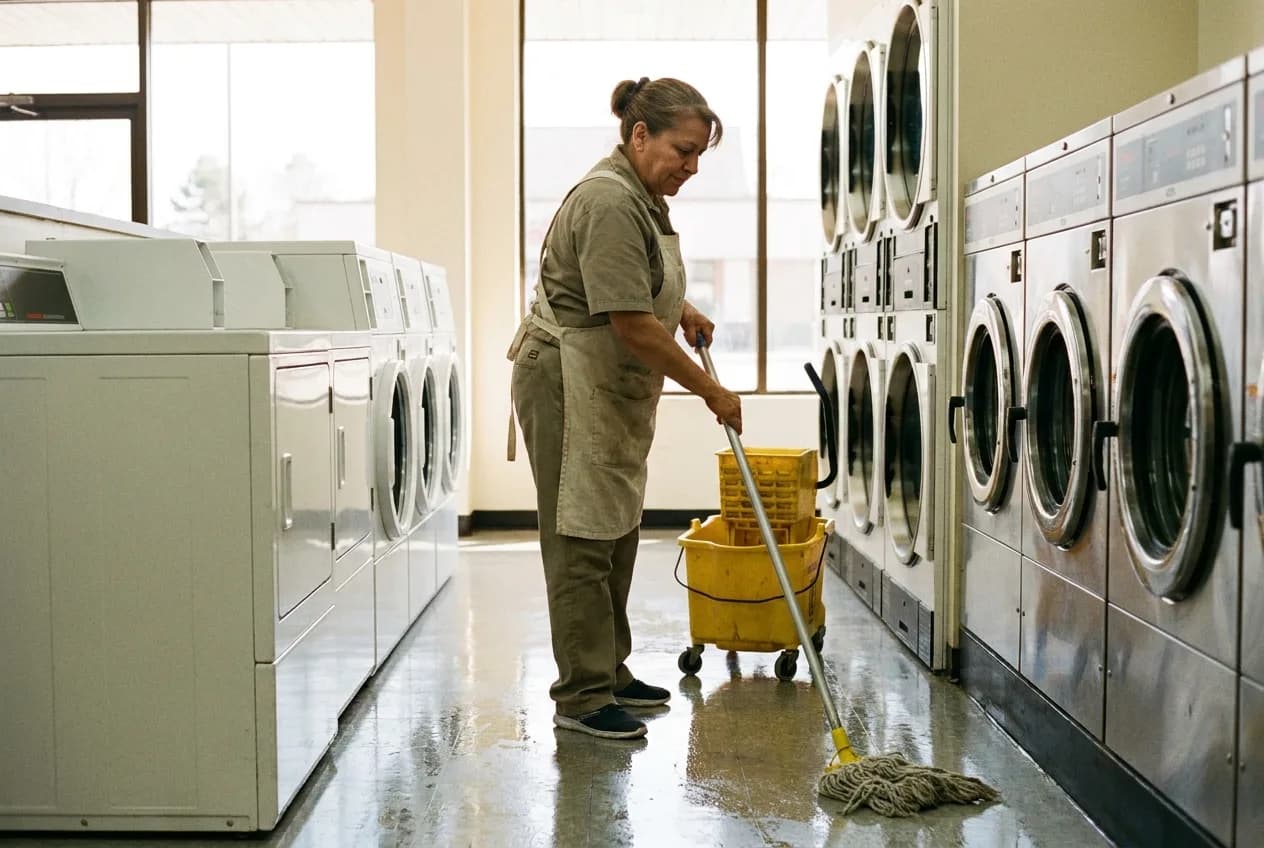
Daily cleaning is the non-negotiable core: wipe machines and tables, clean restrooms, sweep and mop floors, and empty trash on every shift. These are the tasks customers notice immediately, so they set the store's whole impression.
- Wipe down washer and dryer tops, doors, and control panels.
- Clean and wipe folding tables and seating.
- Sweep and mop floors, paying attention to lint and detergent spills.
- Service restrooms: clean, restock, and check throughout the day.
- Empty all trash and remove lint from the folding and dryer areas.
- Clean glass on doors and machine fronts so the store looks bright.
Write these into your opening and closing routine so they happen automatically, as covered in laundromat standard operating procedures.
How do you keep the restrooms clean?
Keep restrooms clean by servicing them multiple times a day, not once, because a single bad restroom experience can cost you a customer for good. Restrooms carry more weight than their size suggests, especially for the families and regulars who spend the most.
- Clean and disinfect fixtures, and restock supplies, at least at open and close.
- Check and touch up during the day, more often when busy.
- Keep a visible log so both staff and customers see it is maintained.
- Fix odors and plumbing issues fast, since they drive people away immediately.
If a customer will not use your restroom, they will not stay to do a second load, and they may not come back at all. Treat restroom quality as a revenue issue, not a chore.
What machine cleaning matters most?
The machine cleaning that matters most is wiping door seals and drums, clearing detergent residue, and keeping dryer lint areas clean. Customers inspect the drum before they trust a washer with their clothes, so a clean interior directly affects whether they use the machine.
- Wipe washer drums and door gaskets so they are visibly clean and free of residue.
- Clear detergent buildup from dispensers and around door seals.
- Remove lint from dryer screens and drums, which is both a cleanliness and a safety task.
- Address any lingering odor in a washer promptly, since one smelly machine taints the store's reputation.
Lint management overlaps with equipment safety, so this task earns double value; the mechanical side is covered in preventive maintenance for commercial washers and dryers.
What are the weekly and monthly deep-clean tasks?
Weekly and monthly deep-cleaning handles what daily wiping cannot reach: detailed machine exteriors, walls, vents, light fixtures, and full floor treatment. Layering these on top of the daily routine keeps grime from building where it is easy to miss.
| Frequency | Tasks |
|---|---|
| Daily | Machines, tables, floors, restrooms, trash, glass |
| Weekly | Detail machine exteriors, clean vents and lint areas, wipe walls and baseboards, degrease folding areas |
| Monthly | Deep-clean restrooms, dust light fixtures and signage, machine-wash floor treatment, check ceilings and corners |
Bright, clean lighting also makes the whole store read as cleaner and safer, so include fixtures in the monthly pass. A visibly maintained store supports your resale value too, which matters if you ever list among laundromats for sale.
Who should do the cleaning, an attendant or a contractor?
Most stores split cleaning between an on-shift attendant for daily upkeep and, sometimes, a contractor for periodic deep-cleaning. The right mix depends on whether you run attended and how much you value your own time.
An attended store usually folds daily cleaning into the attendant's duties, which is efficient since they are already on site. An unattended store may hire a cleaning service on a schedule, verified by cameras. If a cleaner is a worker rather than a contractor, classification and wage rules apply, and the U.S. Department of Labor's guidance at dol.gov is the authority on those distinctions. The Coin Laundry Association also offers operating resources that include cleaning standards you can adapt.
How do you make sure cleaning actually happens?
Make cleaning happen with a signed checklist, a restroom log, and camera spot-checks, because cleaning is the first thing that slips on a busy day. Accountability is what separates a store that is clean every day from one that is clean only when you are watching.
- Post a daily checklist that the attendant initials by task and time.
- Keep a visible restroom log for both staff and customer confidence.
- Use cameras or remote monitoring to verify work in an absentee store.
- Walk the store yourself periodically and reset the standard when it drifts.
The discipline, not the technique, is what keeps customers coming back. A clean store is a promise you keep on every shift, and the checklist is how you keep it.
Frequently asked questions
How often should a laundromat be cleaned?
Do the core cleaning daily and on every shift: machines, tables, floors, restrooms, and trash. Layer weekly and monthly deep-cleaning on top for machine exteriors, vents, walls, and fixtures. Restrooms specifically should be serviced multiple times a day, since a single bad restroom experience can cost you a customer for good.
Why is cleanliness so important for a laundromat?
Because customers wait in the store for a long time and reliably choose the cleaner of two nearby options. A clean store keeps the customers you already have, which is far cheaper than winning new ones, and it builds the trust that higher-margin services like wash-and-fold depend on. A dingy store loses customers quietly, since they just go elsewhere without telling you.
What part of a laundromat matters most to keep clean?
Restrooms and machine interiors carry the most weight. A bad restroom drives people away faster than almost anything else, and customers inspect a washer drum before trusting it with their clothes. Both are small areas with outsized influence on whether a customer stays and returns.
Should I hire a cleaning service or have my attendant clean?
Attended stores usually fold daily cleaning into the attendant's duties, since they are already on site, which is efficient. Unattended stores often hire a cleaning service on a schedule and verify the work with cameras. If a cleaner is treated as an employee rather than a contractor, wage and classification rules apply, so check the Department of Labor guidance and your accountant.
How do I make sure cleaning actually gets done?
Use a signed daily checklist, a visible restroom log, and camera spot-checks. Accountability is what separates a store that is clean every day from one that is clean only when you are watching. Walk the store yourself periodically and reset the standard whenever it drifts, since cleaning is the first thing to slip on a busy day.