Laundromat Tax Deductions for Owners
SudsList Editorial · Sep 16, 2026
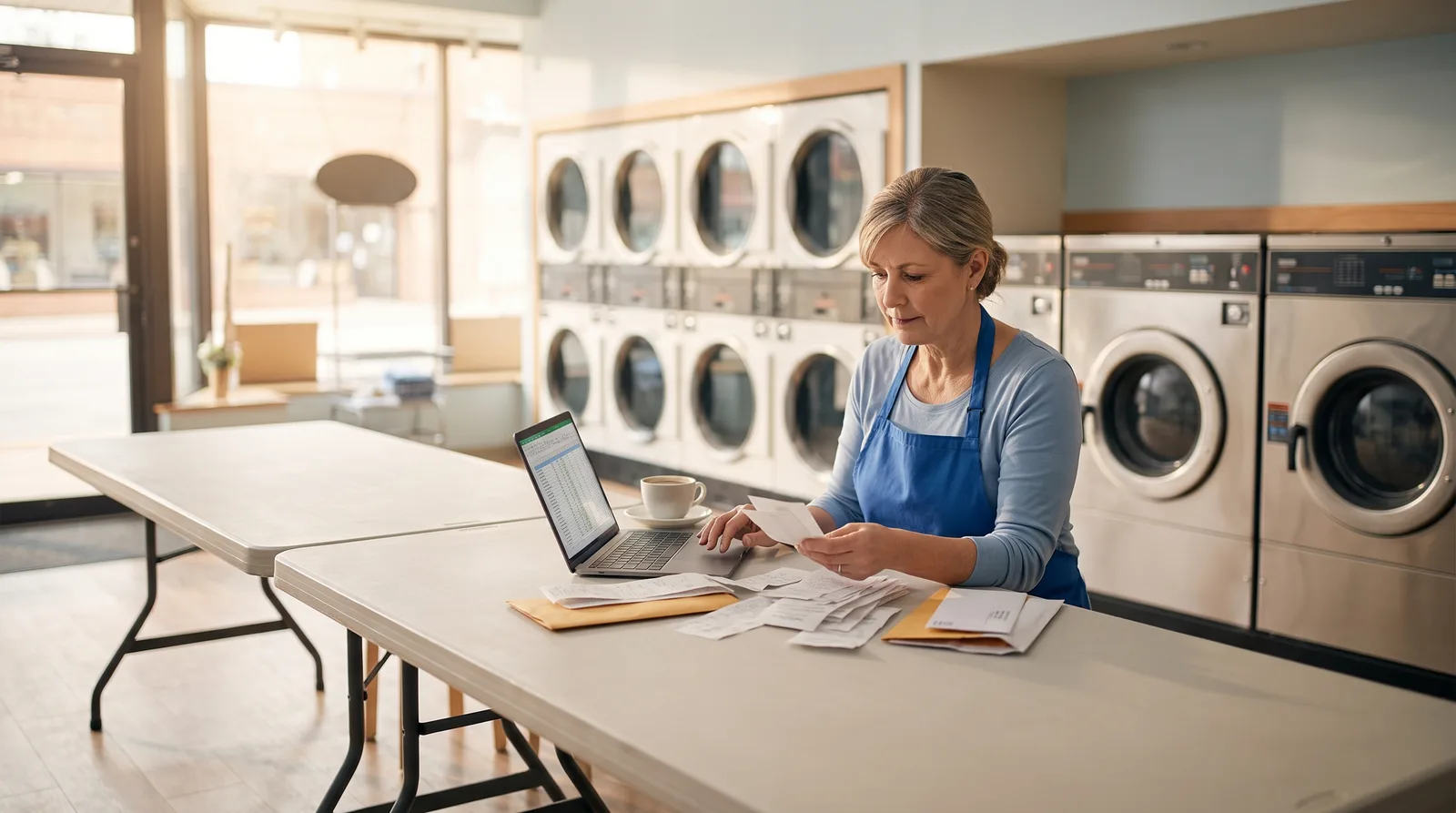
Laundromat owners can generally deduct the ordinary and necessary costs of running the store, including utilities, rent, repairs, supplies, insurance, and labor, and can recover the cost of equipment through depreciation over time. These deductions reduce taxable income, which is why clean bookkeeping matters as much as the deductions themselves. This is general information, not tax advice; eligibility, limits, and depreciation rules depend on your entity, your records, and current law, so confirm specifics with the IRS and a qualified tax professional before you file.
Key takeaways
- Ordinary and necessary operating costs such as utilities, rent, repairs, supplies, and insurance are commonly deductible for a laundromat.
- Equipment is generally recovered through depreciation over time, with some accelerated options that depend on current law and your situation.
- Deductions only work if your books are clean, so track coin and card revenue and expenses carefully all year.
- Owner deductions for an operating store are distinct from the add-backs a seller uses to present earnings when selling.
- Depreciation rules, limits, and eligibility change and vary by taxpayer, so confirm details with the IRS and a tax professional.
Contents
- What can a laundromat owner deduct?
- Which operating expenses are commonly deductible?
- How does equipment depreciation work?
- Are utilities and rent deductible?
- Can you deduct loan interest and financing costs?
- How are owner deductions different from seller add-backs?
- What records do you need to claim deductions?
What can a laundromat owner deduct?
A laundromat owner can generally deduct the ordinary and necessary expenses of operating the business, meaning costs that are common for a laundromat and helpful in running it. That covers most of what you spend to keep the store open, from the water bill to the attendant's wages, and it lets you recover equipment cost through depreciation.
The key idea is that deductions reduce taxable income, not tax owed dollar for dollar, so their value depends on your rate and your overall picture. The IRS defines what qualifies as ordinary and necessary, and the specifics of any deduction depend on your facts. Treat the categories below as a starting map, then confirm your situation with a professional.
Which operating expenses are commonly deductible?
Most recurring costs of running the store are commonly deductible as operating expenses. These are the day-to-day outlays that keep machines running and customers served.
Expenses laundromat owners commonly deduct:
- Utilities: water, sewer, gas, and electric, often the largest lines.
- Rent on the space, if you lease rather than own.
- Repairs and maintenance on machines and the building.
- Supplies: cleaning products, vended detergent stock, and change-machine cash handling supplies.
- Insurance premiums for the business, covered in laundromat insurance what you need.
- Wages and payroll taxes for attendants, detailed in laundromat payroll and attendant taxes.
- Software, monitoring, and payment-processing fees.
- Marketing, professional fees, and bank charges.
The common thread is that these are ordinary costs of operating a laundromat. Keeping them cleanly categorized in your books is what makes them easy to claim; see laundromat bookkeeping basics.
| Expense | Typically deductible | Notes |
|---|---|---|
| Rent or lease payments | Yes | For the business-use portion of the space |
| Utilities (water, gas, electric) | Yes | Often the single largest deductible cost |
| Repairs and maintenance | Yes | Routine fixes, not capital upgrades |
| Equipment purchases | Through depreciation | Or a Section 179 election where eligible; confirm current rules with the IRS |
| Loan interest | Yes | The interest portion only, not principal |
| Owner pay or draw | No | A draw is not a business expense |
How does equipment depreciation work?
Depreciation lets you recover the cost of long-lived equipment like washers, dryers, and water heaters over time rather than deducting it all at once. Because these assets last years, tax rules generally spread their cost across a useful life, though some accelerated methods can allow a larger deduction earlier.
The practical picture:
- Machines and major equipment are capitalized and depreciated over a set period rather than expensed immediately.
- Certain provisions may permit accelerated or first-year deductions, subject to limits and current law.
- When you replace equipment, the old and new assets both have tax consequences to track.
These rules change and carry limits that depend on your situation, so this is squarely an area to confirm with the IRS and a tax professional rather than assume. To plan the cash side of replacement, use the equipment replacement cost calculator and the guidance in new vs used laundromat equipment.
Are utilities and rent deductible?
Yes, utilities and rent are generally deductible as ordinary operating expenses, and for most laundromats they are among the largest deductions simply because they are the largest costs. Water, sewer, gas, and electric all typically qualify, as does rent paid on a leased space.
Because these lines are so large, accurate tracking directly affects your taxable income. This is also why efficiency upgrades and lease terms matter twice: they lower the actual cost and they interact with your deductions. For the cost side, see how to reduce laundromat utility bills. If you own the real estate rather than lease it, the tax treatment differs, which is another reason to work with a professional.
Can you deduct loan interest and financing costs?
Generally, the interest portion of a business loan used to buy or operate the laundromat is deductible, while the principal repayment is not, because principal is repaying borrowed money rather than an expense. This distinction trips up owners who treat the whole loan payment as a deduction.
So if you financed the purchase or your equipment, the interest is typically an expense you can deduct, but the principal is not. Financing fees may have their own treatment. For how the loan itself is structured, see financing a laundromat with an SBA loan and general program terms at the SBA. As with everything here, confirm the specifics with a tax professional, since treatment depends on how the loan is used.
How are owner deductions different from seller add-backs?
Owner deductions reduce your taxable income while you operate the store; seller add-backs adjust reported earnings to show a buyer the store's true owner benefit when selling. They point in opposite directions, which is why they are easy to confuse.
When operating, you want legitimate deductions to lower taxable income. When selling, a seller adds certain expenses back to net income to present a higher owner-benefit figure to a buyer, since some deducted costs are discretionary or owner-specific. Both are legitimate in their context, but they serve different purposes. For the selling side, see laundromat taxes and add-backs. Understanding the difference keeps you from misreading a seller's numbers or your own.
What records do you need to claim deductions?
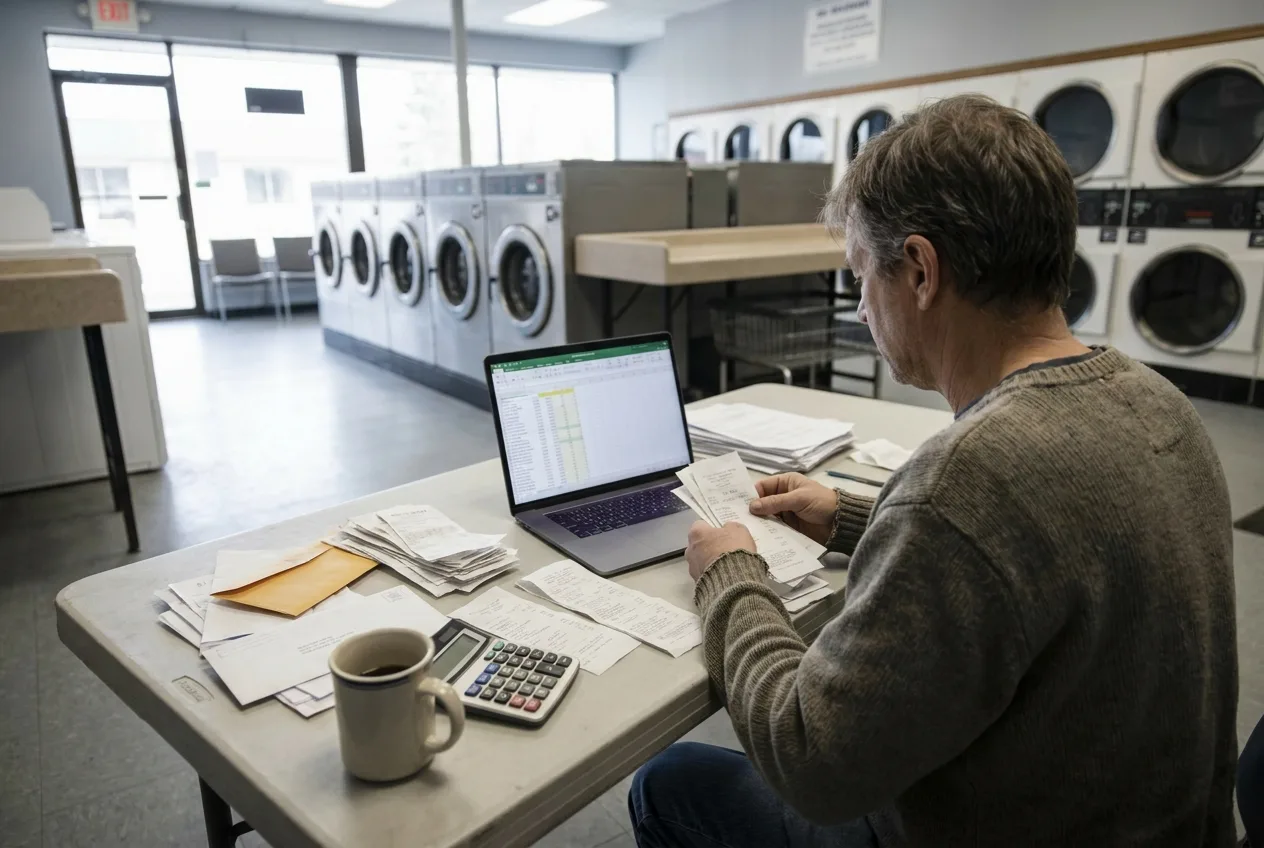
You need clean, contemporaneous records: receipts, bank and card statements, utility bills, payroll records, and a categorized set of books that ties revenue and expenses together. Deductions are only as defensible as the documentation behind them, and a laundromat's cash component makes good records especially important.
Practical record-keeping:
- Track coin and card revenue separately and reconcile it against water usage and turns.
- Keep every utility bill, repair invoice, supply receipt, and payroll record.
- Categorize expenses consistently in your books throughout the year, not at tax time.
- Retain records for the period the IRS recommends for your situation.
Good books do double duty: they support your deductions and they make the store easier to sell later, since buyers scrutinize revenue. Build the habit with laundromat bookkeeping basics, and keep the tax specifics with the IRS and your accountant.
Frequently asked questions
What expenses can a laundromat owner deduct?
Generally the ordinary and necessary costs of running the store: utilities, rent, repairs and maintenance, supplies, insurance, attendant wages and payroll taxes, software and processing fees, and marketing. Equipment is usually recovered through depreciation rather than deducted all at once. Eligibility and limits depend on your situation, so confirm with the IRS and a tax professional.
Can I deduct the cost of new washers and dryers?
Equipment is generally capitalized and recovered through depreciation over its useful life rather than deducted in full the year you buy it, though some accelerated or first-year options may apply depending on current law and limits. Replacing equipment also creates tax consequences for both the old and new assets. This is an area to confirm with a tax professional.
Is my whole loan payment deductible?
No. Generally the interest portion of a business loan is deductible, but the principal repayment is not, because principal repays borrowed money rather than an expense. Owners often mistake the full payment for a deduction. Financing fees may have separate treatment, so confirm how your specific loan is handled.
Are utilities the biggest laundromat deduction?
For many stores, yes, simply because water, sewer, gas, and electric are the largest operating costs. They are generally deductible as ordinary operating expenses, so accurate tracking directly affects your taxable income. Efficiency upgrades matter twice here: they lower the real cost and reduce the expense you deduct.
How are owner deductions different from seller add-backs?
Owner deductions reduce your taxable income while you run the store, while seller add-backs adjust reported earnings upward to show a buyer the store's true owner benefit when selling. They point in opposite directions and serve different purposes. Both are legitimate in context, but confusing them leads to misreading the numbers.
What records do I need for laundromat tax deductions?
Keep receipts, bank and card statements, utility bills, repair invoices, and payroll records, and maintain categorized books that reconcile revenue against water usage and turns. A laundromat's cash component makes documentation especially important. Good records support your deductions and make the store easier to sell later.