Are Laundromats Recession-Resistant?
SudsList Editorial · Sep 11, 2026
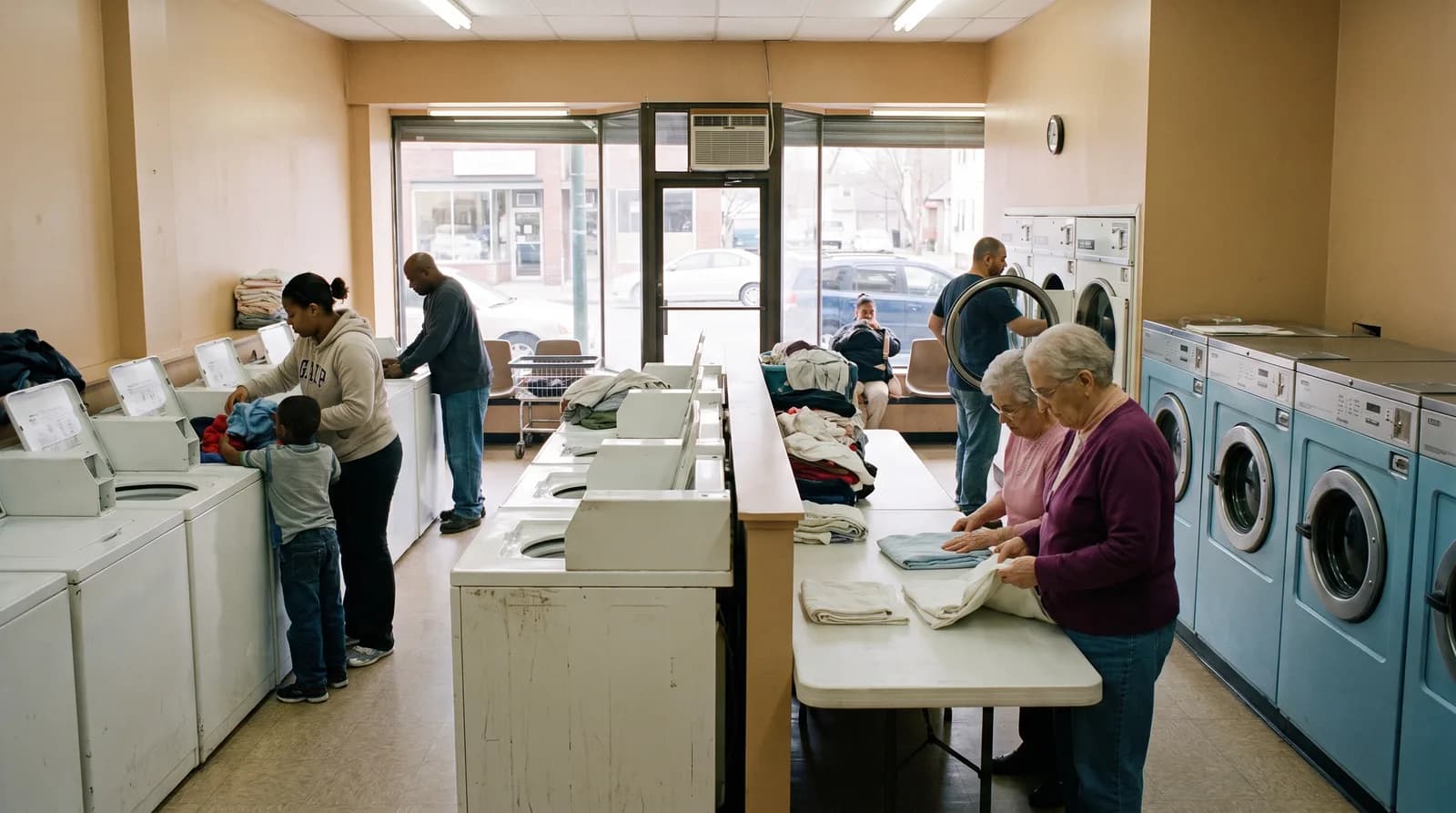
Laundromats are generally considered recession-resistant because laundry is a recurring necessity that people keep buying in good times and bad, which makes revenue steadier than most retail. The demand base actually tends to hold or grow in downturns as some households delay buying in-unit machines or move into rentals. That resilience is real, but it is not a guarantee: a store with high rent, rising utilities, or thin margins can still struggle, so recession resistance describes the category, not every individual store.
Key takeaways
- Laundry is a non-discretionary necessity, so laundromat revenue holds up better than discretionary retail in a downturn.
- Demand can even rise in a recession as households delay buying in-unit washers or shift toward renting.
- Recession resistance is a demand story, not a cost story; rent, utilities, and debt can still sink a weak store.
- Self-service turns are the most resilient revenue; wash-and-fold and delivery are more sensitive to belt-tightening.
- The safest stores have durable location demand, controlled costs, and manageable debt heading into a downturn.
Contents
- Are laundromats really recession-resistant?
- Why does laundry demand hold up in a downturn?
- Can a recession actually increase laundromat demand?
- Where are laundromats still at risk?
- Which revenue is most and least resilient?
- How do you recession-proof a laundromat?
- Is a laundromat a safe investment for a downturn?
Are laundromats really recession-resistant?
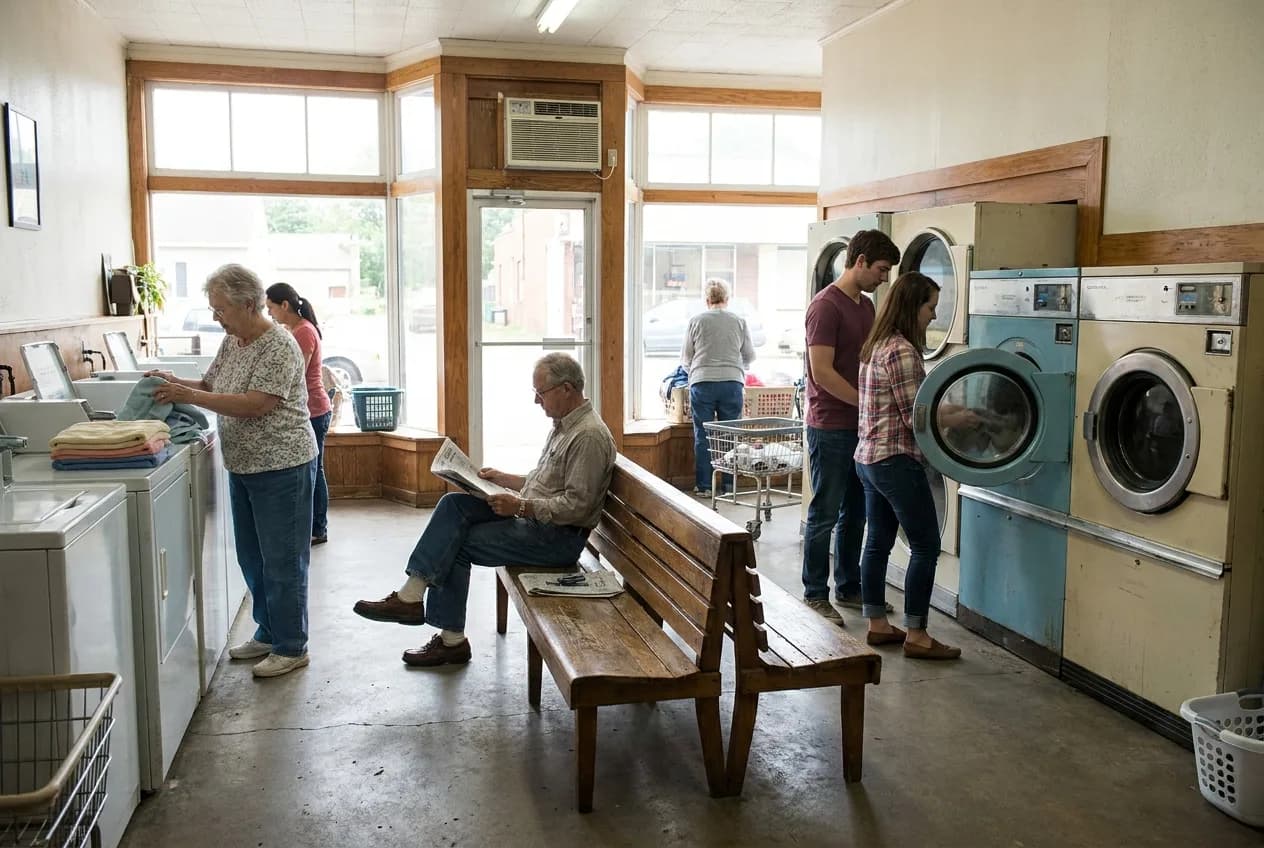
Mostly yes, in the sense that demand stays steady, but recession-resistant does not mean risk-free. The category holds up because clean clothes are a necessity, so customers keep coming even when they cut other spending.
The accurate way to say it is that laundromats are demand-resilient. A well-located store with controlled costs weathers a downturn comfortably, while a store carrying heavy rent, rising utilities, or a large loan can still get squeezed even as its foot traffic holds. Resistance lives in the demand line; the risk lives in the cost and debt lines. For the fuller investment case, see is a laundromat a good investment.
Why does laundry demand hold up in a downturn?
Demand holds up because doing laundry is non-discretionary; people cannot postpone clean clothes the way they postpone a vacation or a new TV. A large share of laundromat customers are renters and households without in-unit machines, and that need does not shrink when the economy slows.
The structural reasons the demand base is sticky:
- Laundry is a necessity, not a want, so usage barely flexes with income.
- Many customers rent or lack in-unit laundry, a base that is stable or growing.
- Self-service turns are low-ticket, so customers rarely trade the store away.
- Neighborhood stores serve a local, repeat clientele that returns weekly.
This is the same durability the Coin Laundry Association describes in its industry benchmarks. Steady demand is the foundation of the recession-resistant reputation.
Can a recession actually increase laundromat demand?
It can, at the margin. In a downturn, some households delay buying their own washer and dryer, move into rentals, or downsize into units without laundry, all of which push more people toward laundromats. The effect is modest and local, not a boom, but it points in a helpful direction.
Do not overstate this. A recession will not rescue a store in a declining neighborhood or fix a poor location, and the same downturn that nudges demand up can push rent, utilities, and repair costs up too. Treat any demand tailwind as a cushion, not a growth strategy. The store still has to be well-run to benefit from it.
Where are laundromats still at risk?
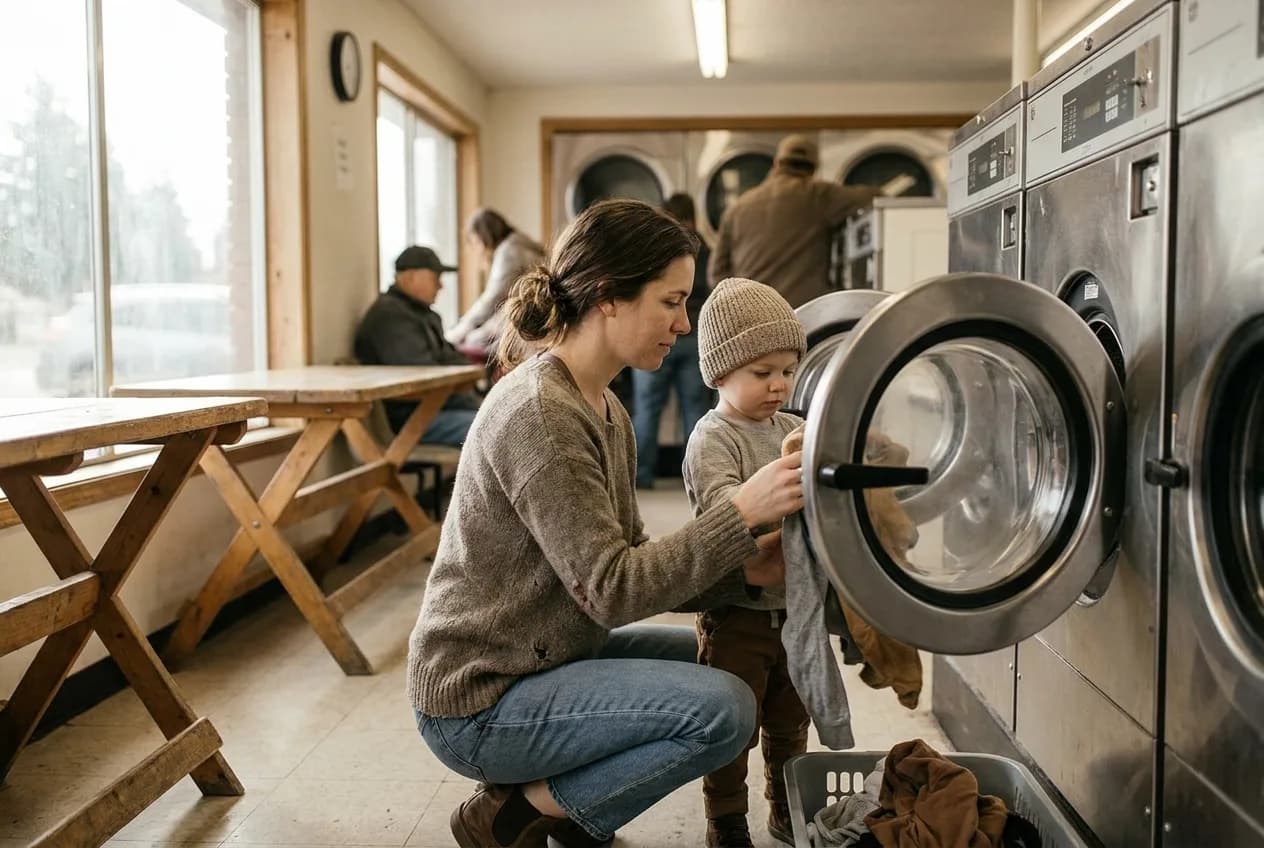
The real risks are on the cost and structure side: high or escalating rent, rising utilities, heavy debt, and a weak location. A downturn does not spare a store that was fragile to begin with, and steady revenue cannot offset costs that climb faster than prices.
The risks that matter most:
- Rent that is high relative to revenue, or a lease with steep escalations. Check the ratio in reviewing a laundromat lease.
- Utility increases eating margin, the pressure covered in how to reduce laundromat utility bills.
- Large loan payments that turn a slow month into a loss.
- A soft location where demand was already thin before any downturn.
- Delivery and wash-and-fold competitors chasing the same convenience spend.
| Factor | Recession-resistant when | At risk when |
|---|---|---|
| Location | Dense renter base, steady foot traffic | Declining area, thin demand |
| Rent | Low share of revenue, stable lease | High rent or steep escalations |
| Utilities | Efficient equipment, controlled cost | Old machines, rising rates |
| Debt | Manageable payments | Heavy loan on optimistic projections |
| Revenue mix | Mostly self-service turns | Heavy reliance on premium services |
Recession resistance protects revenue, not a bad cost structure. Fix the structure and the demand does its job.
Which revenue is most and least resilient?
Self-service turns are the most resilient revenue, because they are cheap, routine, and non-discretionary. Wash-and-fold and pickup-and-delivery are more sensitive to belt-tightening, since some customers who pay for convenience in good times do their own laundry when money is tight.
This does not mean premium services are bad; they lift margin and are worth having. It means a store leaning heavily on delivery or wash-and-fold has a bit more revenue that can flex in a downturn, while a store with a strong self-service core has a steadier floor. A healthy mix gives you both the resilient base and the higher-margin upside. For the margin picture, see laundromat profit margins explained.
How do you recession-proof a laundromat?
You recession-proof a laundromat by controlling costs, keeping debt manageable, and protecting the self-service core, since demand is already resilient. The work is on the expense and balance-sheet side, where the real downturn risk lives.
Practical steps:
- Keep rent as a reasonable share of revenue and understand your escalations.
- Cut cost per turn with efficient equipment so margin survives rate increases.
- Avoid taking on too much debt on optimistic projections when you buy.
- Keep a cash reserve for repairs and slow stretches.
- Maintain the store so customers stay loyal, which matters most when budgets tighten.
Run your rent and debt against revenue in the laundromat cash flow calculator so you can see how a slower month plays out. A store built with margin to spare is what makes the category's resilience real for you.
Is a laundromat a safe investment for a downturn?
A laundromat can be one of the steadier small-business investments in a downturn, provided you buy the right store on realistic numbers. The demand resilience is genuine, but safety comes from the deal you underwrite, not the category label.
Buy on verified revenue and current costs, not a seller's projection, and favor a durable location with controlled expenses and manageable debt. A store bought that way tends to hold its footing when the economy softens; a store bought on hype and heavy debt does not, no matter how recession-resistant laundry is in general. For financing that keeps payments sane, review financing a laundromat with an SBA loan and the general terms at the SBA. The category gives you a tailwind; the discipline is still on you.
Frequently asked questions
Are laundromats a good business in a recession?
Generally yes, because laundry is a recurring necessity and demand stays steady when discretionary spending falls. Some households even shift toward laundromats in a downturn by delaying in-unit washer purchases or moving into rentals. The resilience is in the revenue, so a well-located store with controlled costs holds up well.
Does laundromat demand really go up in a recession?
It can rise modestly at the margin, as some households delay buying their own machines or downsize into units without laundry. The effect is local and small, not a boom, and it will not rescue a poor location. Treat any demand tailwind as a cushion rather than a growth plan.
What is the biggest risk to a laundromat in a downturn?
Cost and debt, not demand. High or escalating rent, rising utilities, and heavy loan payments can squeeze a store even while its foot traffic holds. A downturn does not spare a fragile cost structure, so controlling expenses and avoiding excessive debt are the real defenses.
Is wash-and-fold or self-service more recession-resistant?
Self-service turns are more resilient because they are cheap, routine, and non-discretionary. Wash-and-fold and delivery are more sensitive, since some convenience customers do their own laundry when money is tight. A store with a strong self-service core plus premium services gets both a steady floor and higher-margin upside.
How do I make my laundromat more recession-proof?
Focus on the cost and balance-sheet side, since demand is already resilient. Keep rent a reasonable share of revenue, cut cost per turn with efficient equipment, avoid taking on too much debt, hold a cash reserve, and keep the store clean so customers stay loyal. Model your rent and debt against revenue before you assume you are safe.
Is buying a laundromat safe if a recession is coming?
It can be one of the steadier small-business buys, but safety comes from the deal, not the category. Buy on verified revenue and current costs, favor a durable location, and keep debt manageable. A store bought on hype and heavy debt is not safe no matter how recession-resistant laundry is in general.