Rising Utility Costs in 2026: What Laundromat Owners Can Do
SudsList Editorial · Sep 9, 2026
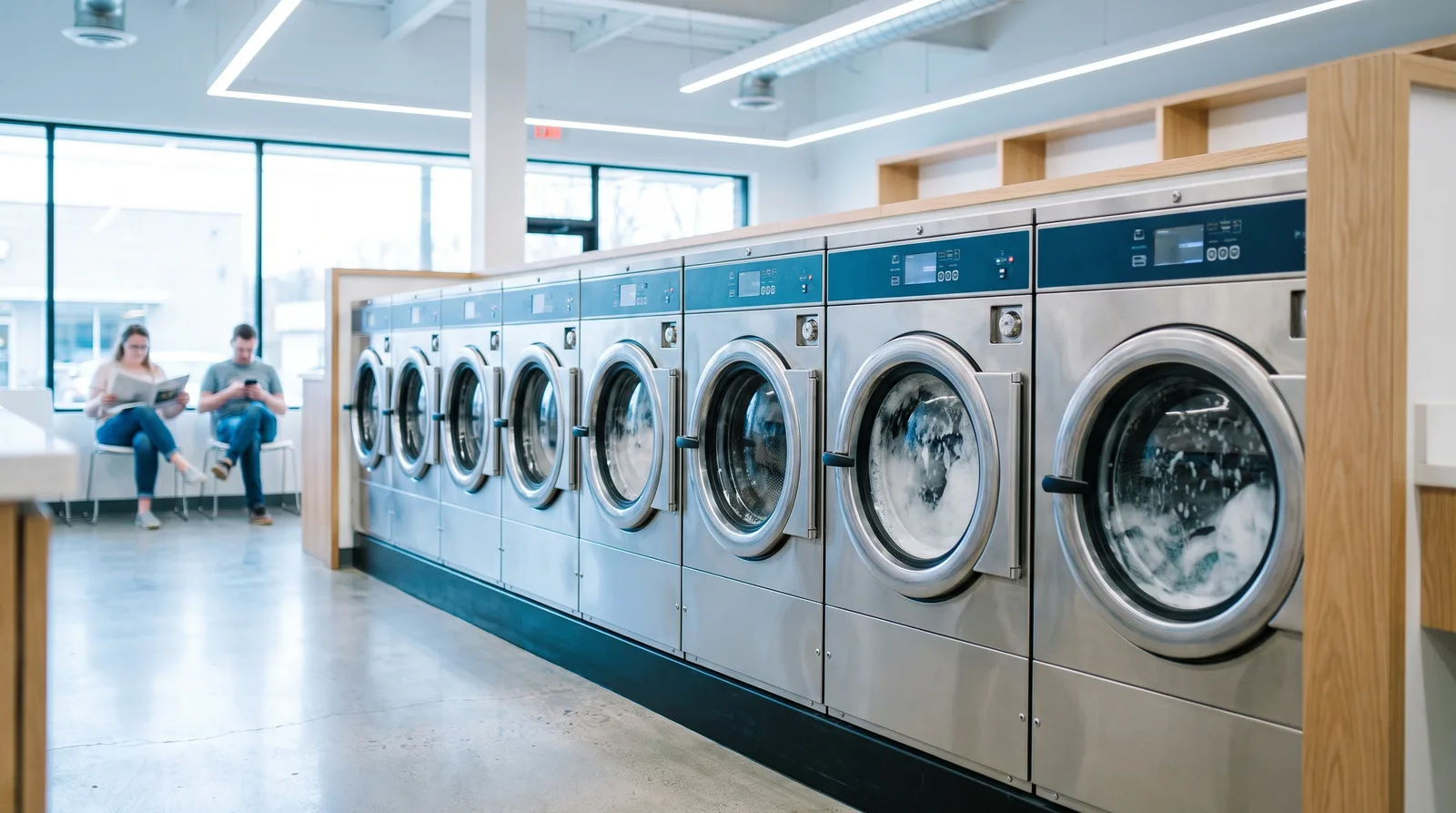
Rising utility costs in 2026 hit laundromats through water, sewer, gas, and electric, and the response that works is cutting cost per turn with efficient equipment while adjusting prices where the market allows. Utilities are typically the largest controllable expense in a laundromat, so a rate increase that you do nothing about lands straight on your margin. The good news is that most of the offsets are within your control: high-efficiency machines, modern water heaters, LED lighting, leak detection, smarter rate plans, and measured vend-price increases together can absorb a lot of the pressure.
Key takeaways
- Utilities are usually a laundromat's largest controllable cost, so a rate increase you ignore comes directly out of margin.
- High-efficiency front-load washers and modern water heaters cut water and gas per turn, which is the biggest structural lever.
- Small, cheap fixes add up: LED lighting, leak detection, dryer and vent maintenance, and correct rate plans.
- Energy Star lists efficient commercial equipment and potential utility rebates that lower the cost of upgrading.
- When utility costs rise materially, a measured vend-price increase is a legitimate and often overdue response.
Contents
- Why are laundromat utility costs rising in 2026?
- Which utility costs matter most?
- What efficiency upgrades cut costs the most?
- What low-cost fixes help right away?
- Can a better rate plan lower your bill?
- Are there rebates for efficient equipment?
- Should you raise prices when utilities rise?
- How do you know if your upgrades are working?
Why are laundromat utility costs rising in 2026?
Utility costs are rising because municipal water and sewer rates, natural gas prices, and electric charges have been trending upward in many markets. Laundromats feel this more than most retail because they consume so much water and heating fuel per customer.
You do not need a specific 2026 forecast to plan around this; the direction has been consistent, and the safe assumption is that rates keep drifting up rather than down. What matters is building a store that uses less per turn, so the same rate increase costs you less. Treat rising utilities as a durable trend to design around, not a temporary spike to wait out.
Which utility costs matter most?
Water and sewer usually top the list, followed by natural gas for water heating and drying, then electric. Sewer often costs more than the water itself because it is billed on volume used, so cutting water cuts two lines at once.
Where the money goes in a typical store:
- Water and sewer, driven by wash volume and machine efficiency.
- Natural gas, driven by water-heating and dryer demand.
- Electric, driven by motors, lighting, and any electric heat.
- Trash, internet, and other smaller recurring services.
Because water and gas dominate, efficiency efforts should start there. For the deeper breakdown, see laundromat water and sewer costs. Knowing your own bill mix tells you where a dollar of effort returns the most.
What efficiency upgrades cut costs the most?
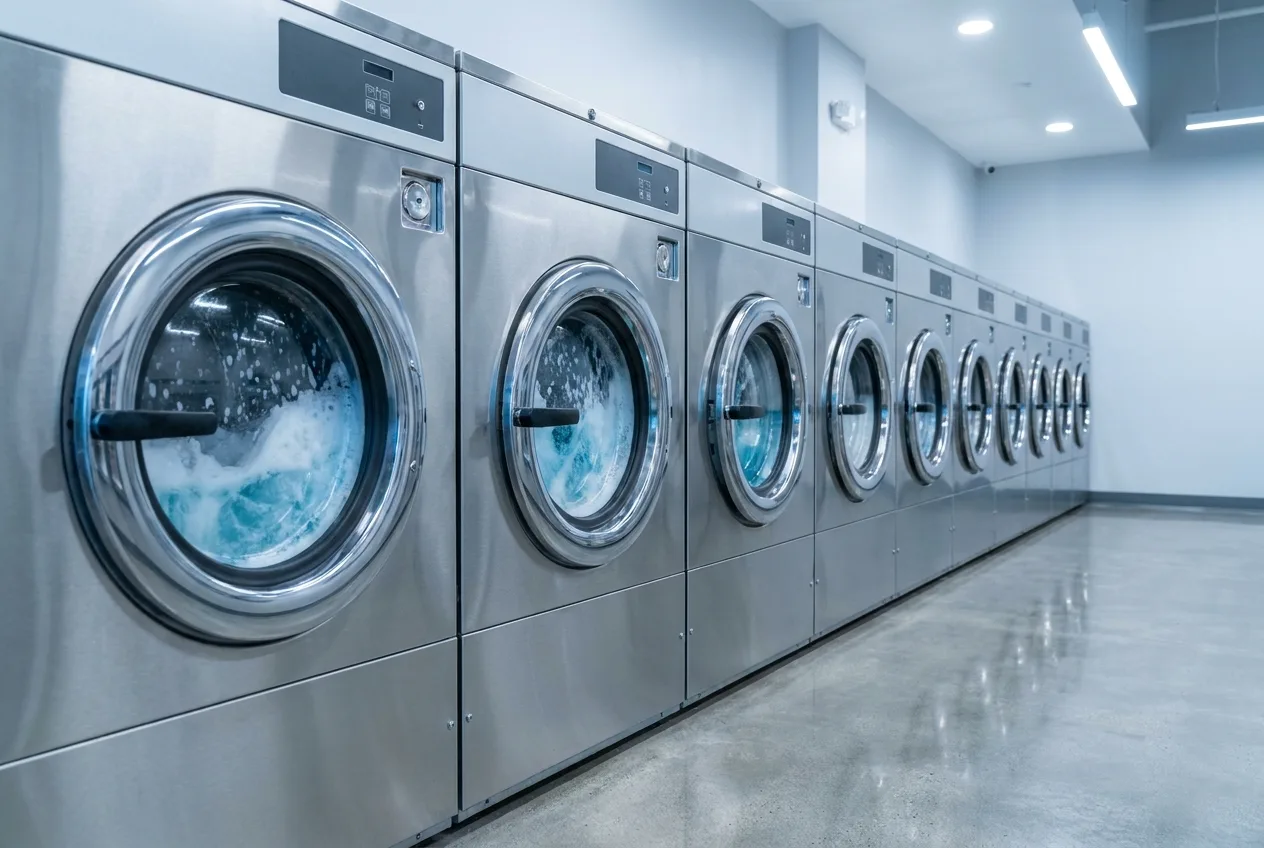
High-efficiency front-load washers cut the most, because they use far less water per pound than older top-loaders, which lowers water, sewer, and gas heating at the same time. Pairing them with an efficient, correctly sized water heater compounds the savings on every wash.
The upgrades with the biggest structural impact:
- High-efficiency front-load washers to slash water and heating per turn.
- A modern, right-sized commercial water heater, covered in commercial laundry water heaters.
- Well-maintained dryers with clean vents, which burn less gas to dry.
- In the right store, a water reclamation or ozone system, discussed in water recycling systems for laundromats.
| Upgrade | Mainly reduces | Relative cost | Payback horizon |
|---|---|---|---|
| HE front-load washers | Water, sewer, gas | High | Medium, faster as rates rise |
| Efficient water heater | Gas | Medium | Medium |
| LED lighting | Electric | Low | Short |
| Water reclaim / ozone | Water, sewer, gas | High | Longer, best in high-volume stores |
For the water-bill case specifically, see high-efficiency washers and your water bill. The higher your rates climb, the faster these pay back.
What low-cost fixes help right away?
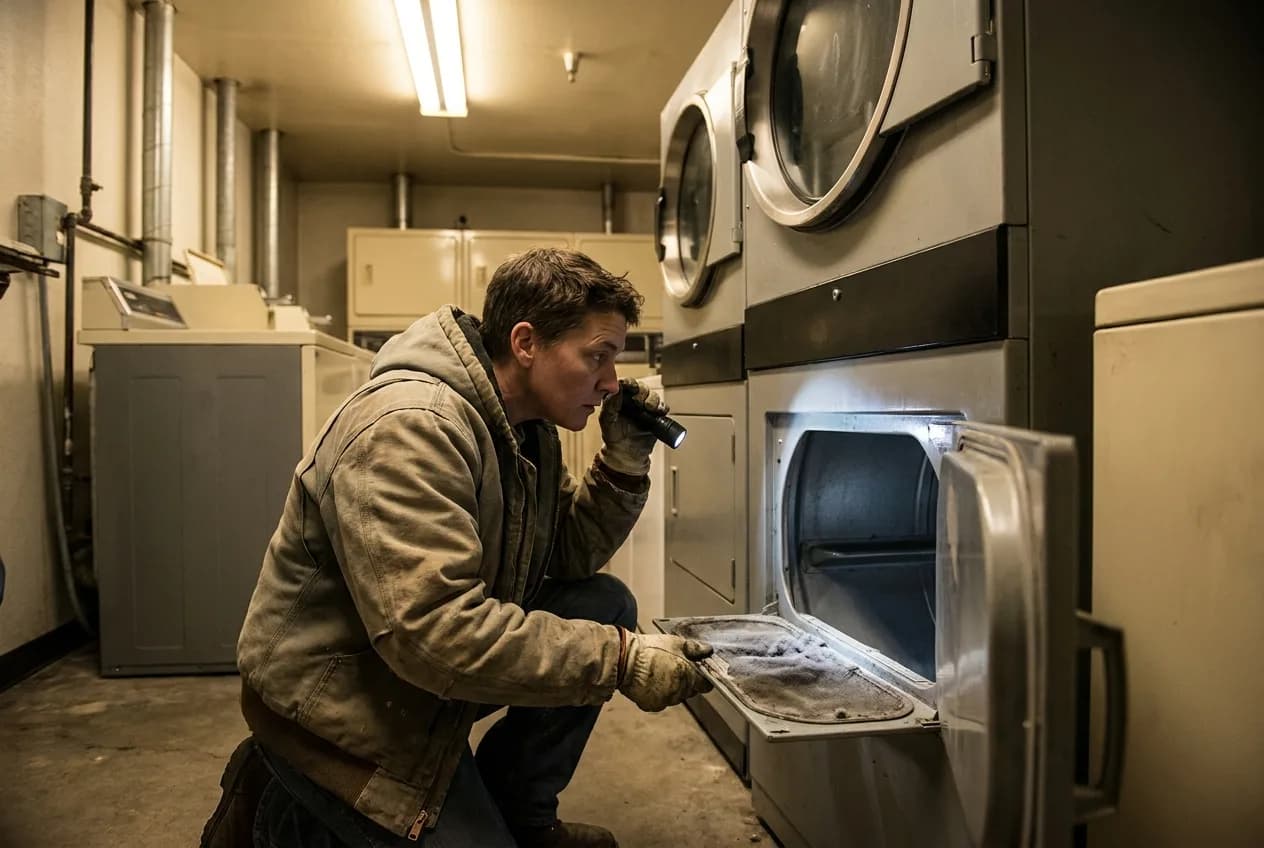
The cheapest wins are LED lighting, leak detection, and staying on top of dryer and vent maintenance, none of which require re-equipping the store. These trim cost immediately and reduce the risk of an expensive failure.
Start with the quick list:
- Swap remaining fluorescent or incandescent fixtures for LED.
- Check for running toilets, dripping taps, and leaking machine connections monthly.
- Clean lint traps and dryer vents on schedule so dryers run efficiently and safely.
- Insulate hot-water lines and fix any water-heater short-cycling.
A single unnoticed leak or a clogged vent can quietly add to every bill, so these habits protect margin cheaply. For the full routine, use how to reduce laundromat utility bills.
Can a better rate plan lower your bill?
Sometimes, yes. Utilities often offer multiple commercial rate structures, and a store on the wrong one can pay more than it needs to, especially where demand charges or time-of-use pricing apply. It costs nothing to ask.
Call your electric and gas providers and ask whether your usage pattern fits a better commercial plan, and whether time-of-use or demand-based options would help given your peak hours. Some water utilities have sewer credits or adjustments for water that does not enter the sewer system, which is worth investigating. Rate optimization is unglamorous, but it can lower a bill without any capital spend.
Are there rebates for efficient equipment?
Often, yes. Many utilities and efficiency programs offer rebates or incentives for high-efficiency commercial laundry equipment, water heaters, and lighting, which lowers the effective cost of upgrading. These change by region and program, so check current offers before you buy.
Energy Star maintains criteria for efficient commercial equipment and pointers to rebate programs at Energy Star, and your local water, gas, and electric utilities may run their own incentives. Ask about rebates before purchasing, since some require pre-approval. For financing the upgrade itself, see equipment financing for laundromats. A rebate can meaningfully shorten the payback on an efficiency project.
Should you raise prices when utilities rise?
Yes, a measured vend-price increase is a legitimate response when utility costs rise materially, and many stores are overdue for one. Laundry is a repeat necessity with local, not national, pricing, so a modest increase in line with your costs rarely drives customers away when the store is clean and reliable.
Raise thoughtfully rather than reactively:
- Check nearby competitors' vend prices so you stay in range.
- Increase in small steps and watch turns for a few weeks.
- Lead with your top-load or specialty cycles where value is clearest.
- Communicate nothing dramatic; a clean, well-run store carries a price change.
For timing and sizing, read when to raise laundromat prices. Absorbing every cost increase without ever adjusting price is how a healthy store slowly becomes an unprofitable one.
How do you know if your upgrades are working?
You know upgrades are working by tracking cost per turn and utility cost as a percentage of revenue over time, not by eyeballing a single bill. Bills vary with season and volume, so trends matter more than any one month.
Build the habit of logging water, gas, and electric against revenue each month, and compare cost per turn before and after each upgrade. Run the numbers through the laundromat cash flow calculator so you can see whether an efficiency project actually moved margin. Measuring is what separates a real improvement from a hopeful one, and it tells you which next upgrade earns its cost.
Frequently asked questions
What is the biggest utility cost for a laundromat?
Water and sewer are usually the largest, because laundromats consume so much water and sewer is billed on volume used. Natural gas for water heating and drying is typically next, followed by electric. Since water and gas dominate, efficiency efforts should start with high-efficiency washers and an efficient water heater.
Do high-efficiency washers really lower utility bills?
Yes. High-efficiency front-load washers use far less water per pound than older top-loaders, which cuts water, sewer, and the gas used to heat that water at the same time. The payback depends on your rates and volume, and it gets faster as utility costs rise. Track cost per turn before and after to confirm the savings.
Are there rebates for upgrading laundromat equipment?
Often, yes. Many utilities and efficiency programs offer rebates for high-efficiency commercial laundry equipment, water heaters, and lighting. Programs vary by region and change over time, and some require pre-approval before purchase. Check Energy Star and your local utilities for current offers before you buy.
Should I raise prices because my utility bills went up?
A measured vend-price increase is a reasonable response when costs rise materially, and many stores are overdue for one. Check nearby competitors, raise in small steps, and watch your turns for a few weeks. A clean, reliable store usually carries a modest increase without losing customers.
What quick fixes lower utility costs without big spending?
LED lighting, leak detection, and consistent dryer and vent maintenance help right away without re-equipping. A running toilet, a dripping connection, or a clogged vent quietly adds to every bill. Insulating hot-water lines and fixing a short-cycling water heater are cheap wins too.
Can changing my utility rate plan actually save money?
Sometimes. Utilities often offer several commercial rate structures, and a store on the wrong one can overpay, especially where demand charges or time-of-use pricing apply. Call your providers to ask whether your usage fits a better plan, and check whether your water utility offers sewer adjustments. It costs nothing to ask.