When to Raise Laundromat Prices
SudsList Editorial · Jul 26, 2026

Raise laundromat prices when your utility and labor costs have outrun your vend price and local competitor pricing gives you room, and do it in small, regular steps rather than one large jump. Most operators wait too long, then shock customers with a big increase, when frequent modest raises tracking rising water, gas, and electric costs are easier to absorb. Read your own costs and the vend prices within a few miles of you before you change a single machine.
Key takeaways
- Raise prices when rising water, sewer, gas, and electric costs have compressed your margin and local competitor vend prices leave headroom.
- Small, regular increases are easier for customers to accept than a single large jump made after years of holding flat.
- Check the vend prices of stores within a few miles before you move, since you rarely need to be the cheapest, only competitive.
- Cashless and app systems let you raise prices remotely and by machine, which makes targeted, gradual increases far simpler.
- A price increase that keeps almost all your turns beats holding prices flat while your margin quietly erodes.
Contents
- When should you raise laundromat prices?
- What signals it is time to raise prices?
- How do you read your utility costs?
- How do you check competitor vend prices?
- How much should you raise prices?
- How often should you raise prices?
- How do you raise prices without losing customers?

When should you raise laundromat prices?
Raise prices once your cost per turn has climbed enough to compress margin and a check of nearby stores shows your vend price sits at or below the local range. Waiting until margin is badly squeezed forces a large, unpopular increase, while acting early lets you move in steps customers barely notice.
A turn is one wash or dry cycle on a machine, and its cost is mostly water, sewer, gas, and electricity. When those inputs rise and your price holds flat, your margin does all the shrinking. For how those inputs shape profitability, see laundromat profit margins explained.
What signals it is time to raise prices?
The clearest signal is a margin that has narrowed as utility bills climbed while your vend price stayed put. Other signals are a below-market price versus nearby stores and steady or growing turns, which show demand can absorb a modest increase.
Signs pointing toward a raise:
- Water, sewer, gas, or electric costs up noticeably over the past year.
- Your vend price sitting below comparable stores within a few miles.
- Turns per day steady or rising, showing demand is not fragile.
- A recent equipment or rent increase that raised your fixed costs.
Signs to hold instead:
- Turns already soft or trending down.
- Your price already at the top of the local range.
- A new competitor nearby that has not yet settled its own pricing.
How do you read your utility costs?
Read your utility costs by converting them to a cost per turn, so you can see exactly how much each wash and dry cycle actually costs to run. Total monthly bills hide the trend; cost per turn makes a price decision concrete.
To get there:
- Pull twelve months of water, sewer, gas, and electric bills.
- Divide each month's utility total by that month's turns.
- Watch the trend line, not a single month.
- Compare today's cost per turn against a year ago.
Water and sewer are usually the largest and fastest-rising inputs, so track them closely; the drivers are broken down in laundromat water and sewer costs. Before raising prices, check whether efficiency upgrades could offset the cost instead, using rebate and efficiency guidance from Energy Star.
How do you check competitor vend prices?
Check competitor vend prices by visiting or calling the stores within a few miles and noting their wash and dry prices by machine size. You are not trying to be the cheapest, only to know where you sit so a raise stays competitive.
What to gather:
- Wash prices by machine size at each nearby store.
- Dry pricing, whether by time or per cycle.
- Any recent increases they have already made.
- The condition and amenities they offer at that price.
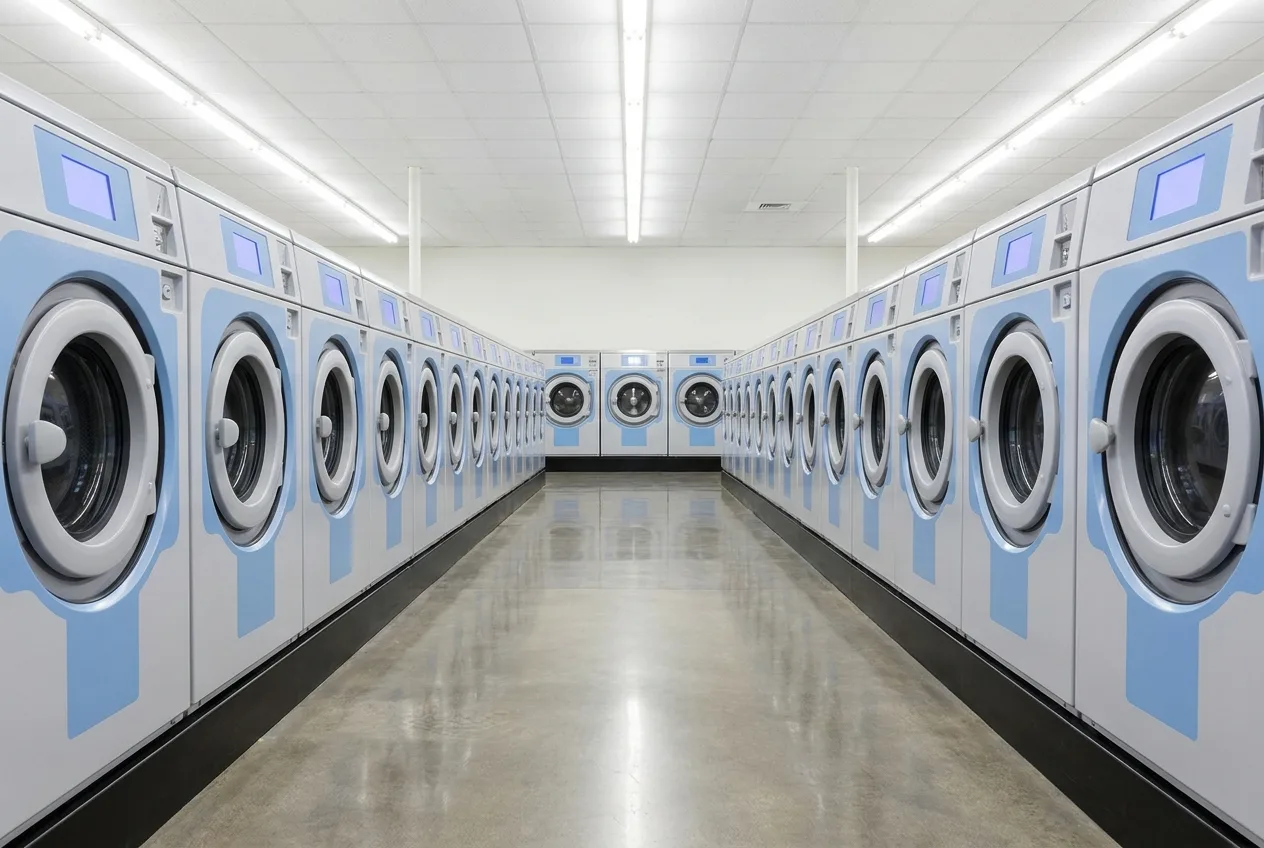
A cleaner, better-equipped store can price at the higher end of the local range and keep its customers. Price is only one factor customers weigh; condition, hours, and machine availability matter too, which is why raising turns is a parallel lever covered in how to increase turns per day at a laundromat.
How much should you raise prices?
Raise prices in small increments that restore margin without pushing you above the local range, rather than one large correction. A modest step per machine size is usually enough to recover rising costs while staying competitive.
Consider a store running 300 turns a day. A small per-turn increase across those turns compounds into meaningful monthly revenue, yet each customer sees only a minor change at the machine. That is the advantage of moving early and often: the math works in your favor while the customer barely reacts. Model the revenue effect with the laundromat cash flow calculator before committing, and check that rent stays a healthy share of the new revenue using the rent-to-revenue calculator.
How often should you raise prices?
Raise prices on a regular cadence tied to your costs, commonly reviewed once a year, rather than waiting several years and jumping all at once. Frequent small increases keep pace with utilities and never surprise your customers.
| Approach | Effect on customers | Effect on margin |
|---|---|---|
| Small annual increases | Barely noticed, easy to absorb | Keeps pace with rising costs |
| Large infrequent jumps | Noticeable, risk of lost turns | Margin erodes badly between raises |
| No increases for years | Feels stable, then a shock later | Margin quietly compressed the whole time |
Cashless and app systems make this far easier, since you can adjust vend prices remotely and by machine instead of re-pegging hardware. If you are weighing that switch, see should your laundromat go cashless.
How do you raise prices without losing customers?
Raise prices without losing customers by keeping increases modest, timing them with a visible improvement, and staying within the local range. Customers accept a small increase far more readily when the store is clean, the machines work, and the change is not their first in years.
Tactics that soften an increase:
- Pair the raise with a fresh improvement, such as new machines or better lighting.
- Adjust dry time or vend price in small steps rather than one large move.
- Keep an off-peak or loyalty option so price-sensitive customers still have a deal.
- Post the change plainly and in advance rather than surprising regulars.
The Coin Laundry Association offers operator guidance on pricing worth reviewing; see the Coin Laundry Association. Done this way, a price increase protects margin while keeping nearly all your turns, which is the whole point.
Frequently asked questions
How do I know when to raise laundromat prices?
Raise prices when rising water, sewer, gas, and electric costs have compressed your margin and nearby stores price at or above yours. Convert your utility bills to a cost per turn and watch the trend over a year. If turns are steady or rising and your price sits below the local range, you have room to move.
How much should I raise my vend prices?
Move in small increments that restore margin without pushing you above the local competitor range. A modest step per machine size across hundreds of daily turns compounds into meaningful revenue while each customer sees only a minor change. Small, early increases are far easier to absorb than one large correction after years of holding flat.
How often should a laundromat raise prices?
Review pricing on a regular cadence, commonly once a year, and raise in small steps tied to your rising costs. Frequent modest increases keep pace with utilities and never shock customers, while waiting years forces a large, unpopular jump. Cashless systems make this easy because you can adjust vend prices remotely by machine.
Will raising prices drive customers away?
A modest, well-timed increase rarely loses meaningful traffic, especially in a clean, well-maintained store priced within the local range. Pair the raise with a visible improvement, keep an off-peak or loyalty option, and post the change in advance. Holding prices flat while your margin erodes usually costs you more than a small increase would.
Should I raise prices or cut costs first?
Check both. Before a raise, see whether efficiency upgrades, such as high-efficiency machines or a rate-plan change, can offset rising utilities. Often the answer is to do some of each: trim controllable costs and raise prices modestly. Efficiency and pricing are complementary levers, not either-or choices.