How to Increase Turns Per Day at a Laundromat
SudsList Editorial · Jul 26, 2026
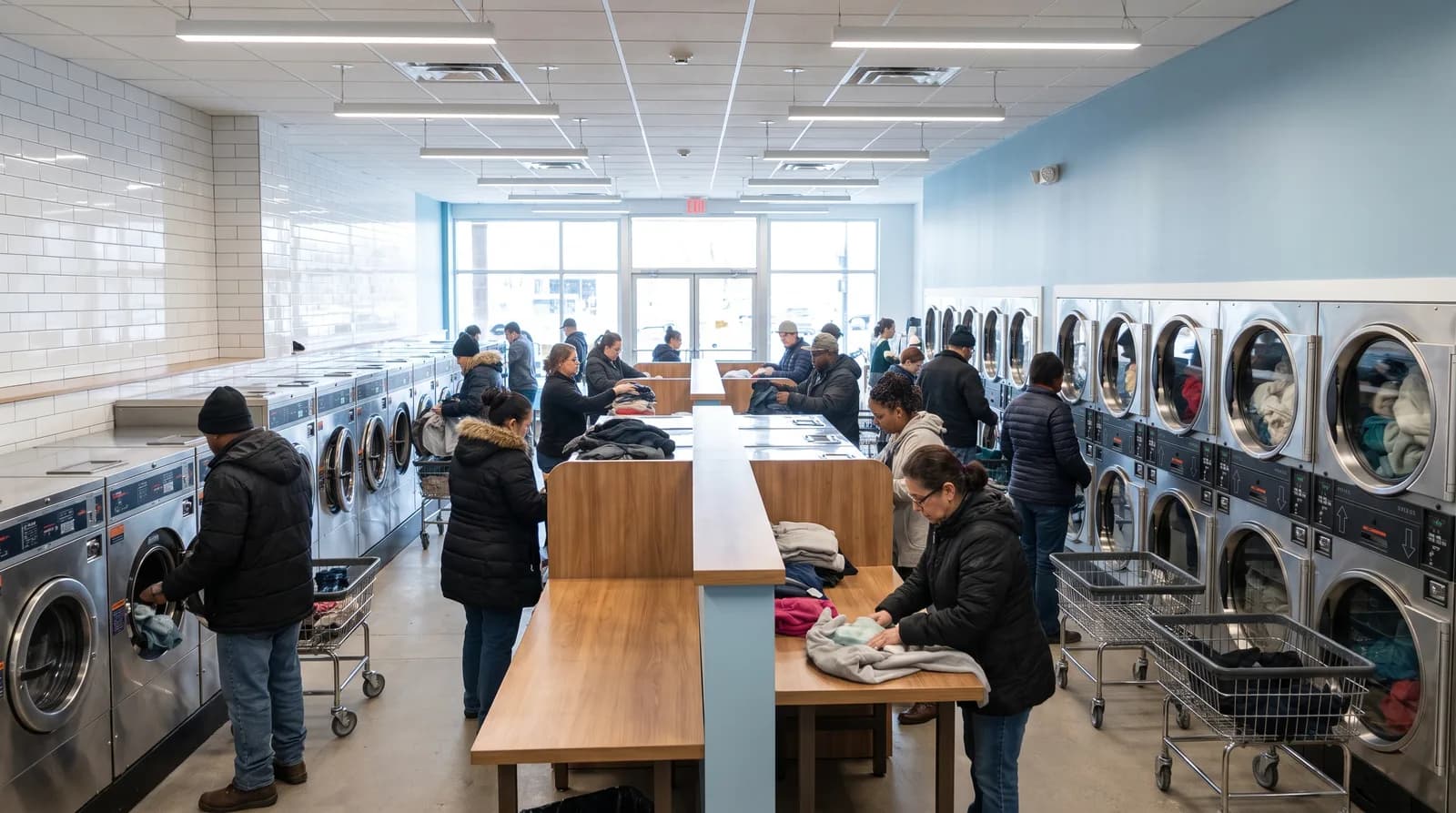
The fastest ways to increase turns per day at a laundromat are cutting the wait for a machine, right-sizing your machine mix, and pulling more traffic into your slow hours, all before you consider adding equipment. Turns per day (TPD) is how many wash cycles each machine runs in a day, and it is the single clearest measure of how hard your store is working. Raising TPD lifts revenue without new rent, so it is usually the highest-return project an operator has.
Key takeaways
- Turns per day (TPD) is how many wash cycles each machine runs in a day, and it drives revenue more directly than almost any other number.
- Cutting the wait for an available machine is often the cheapest way to raise TPD, since customers leave when everything is full.
- A mismatched machine mix caps TPD, so match sizes to what your customers actually wash.
- Filling slow hours with off-peak pricing and promotions raises average TPD without needing new equipment.
- More machines will not raise TPD in a weak location or a store that already has idle capacity; fix demand first.
Contents
- What are turns per day and why do they matter?
- How do you measure turns per day?
- Does your machine mix limit turns?
- How do wait times cost you turns?
- Do longer hours raise turns?
- Which promotions raise turns without cutting price?
- Can layout and amenities increase turns?
- When will more turns not help?
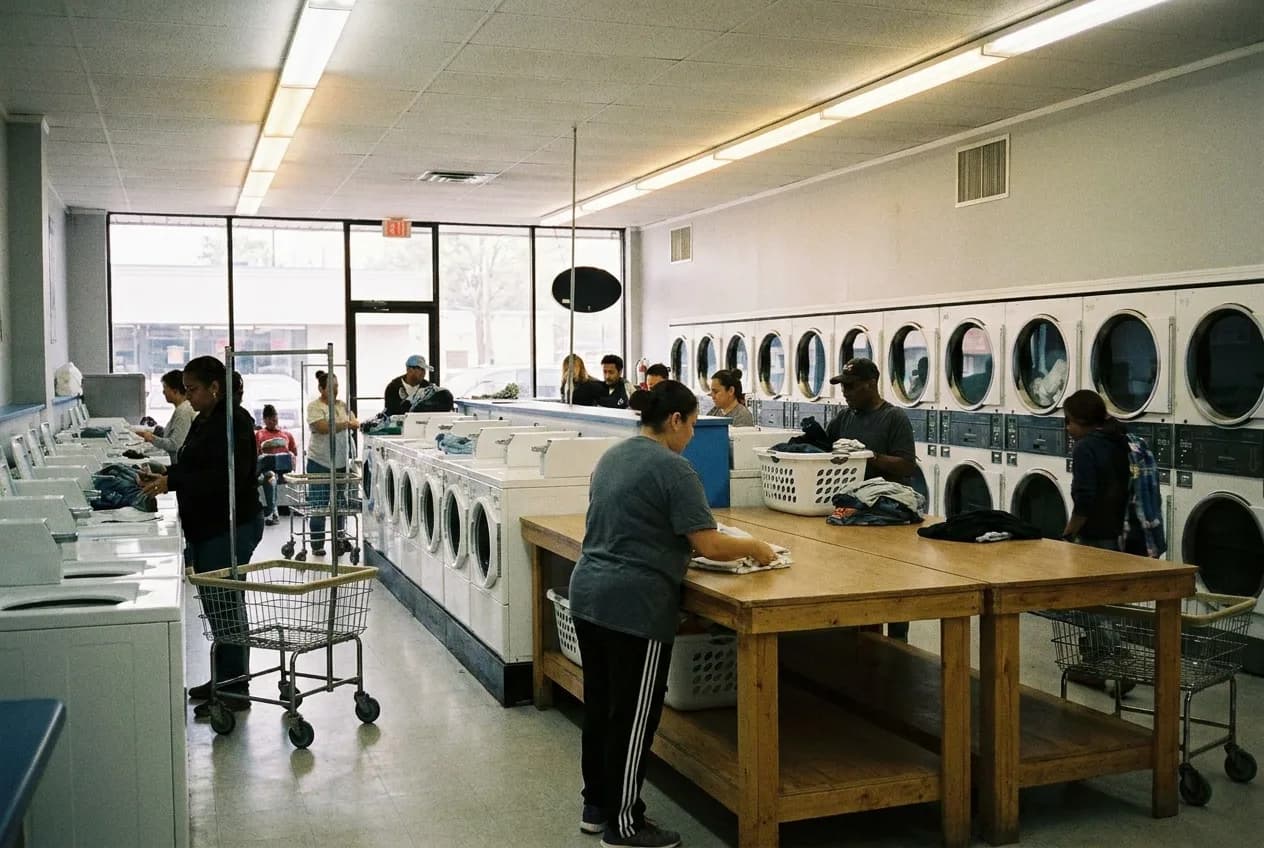
What are turns per day and why do they matter?
Turns per day is the average number of wash cycles each washer completes in a day, and it matters because it measures how fully your existing equipment is used. A store with the same machines and rent earns far more at four turns per day than at two, with almost no added fixed cost.
That is why TPD is the operator's core metric. Rent, equipment, and most utilities are largely fixed, so every extra turn drops a high share of its revenue to the bottom line. Improving TPD is the backbone of how to increase laundromat revenue.
How do you measure turns per day?
Measure TPD by dividing a machine's daily cycles by its available run time, using vend counts, a card or app system, or water-usage records. You cannot improve what you do not track, and most owners are surprised by how uneven their TPD is across hours and days.
To get a real picture:
- Pull cycle counts per machine by hour and day of week for a full month.
- Separate peak windows from dead hours instead of averaging them away.
- Note which machine sizes fill first and which sit idle.
- Compare weekday and weekend patterns.
Card and app systems report this automatically; coin stores can approximate it from water usage and collections. Once you can see the pattern, the levers below become obvious.
Does your machine mix limit turns?
Yes, a machine mix that does not match how your customers wash will cap your turns no matter how busy the store is. If large loads pile up waiting while small washers sit empty, your effective TPD suffers even at full traffic.
Match the mix to demand:
- Watch which sizes fill first and which stay idle across a month.
- Favor larger-capacity washers where families and bulky loads dominate.
- Keep enough dryer capacity so finished washers free up quickly.
- Replace chronically idle sizes when you next re-equip.
High-capacity, efficient machines also handle big loads in fewer cycles, which raises throughput and cuts cost per turn; efficiency guidance is available from Energy Star. Machine mix is also a location question, since demographics drive load sizes, which is covered in what makes a great laundromat location.
How do wait times cost you turns?
Wait times cost you turns directly, because a customer who arrives to find every machine full often leaves and washes elsewhere. That lost visit is a turn you will never record, and it is the most common hidden ceiling on TPD.

Reduce the wait without adding machines by:
- Keeping dryers fast and well-maintained so washers free up quickly.
- Clearing abandoned loads promptly during busy periods.
- Using an attendant during peaks to keep machines cycling.
- Steering some demand to slower hours with pricing or promotions.
A store that turns machines over faster serves more customers from the same footprint. Preventive maintenance keeps that flow smooth, since a down machine at peak is a wall of lost turns.
Do longer hours raise turns?
Longer hours raise total daily turns only if there is real demand in the added hours, otherwise they add utility and staffing cost for empty machines. Extending from evening to late night helps a busy store with spillover demand and does nothing for a store that already empties out early.
Decide from your own data, not a competitor's sign. If your last staffed hour still shows strong TPD, extending may capture more turns. If TPD collapses well before closing, longer hours just raise costs. The full trade-off is weighed in what hours should a laundromat be open.
Which promotions raise turns without cutting price?
The promotions that raise TPD are the ones that add turns in slow hours rather than discount the busy ones you already own. An off-peak wash offer, a loyalty reward, or a referral bonus can pull new visits into dead time without lowering the price of a turn that would have happened anyway.
| Lever | Typical cost | TPD impact |
|---|---|---|
| Cut wait times | Low, mostly operational | High, recovers lost visits |
| Right-size machine mix | Moderate, on re-equip | High over time |
| Off-peak promotions | Low | Moderate, fills slow hours |
| Loyalty and referrals | Low to moderate | Moderate, adds repeat visits |
| Extend hours | Higher, ongoing | Only if real demand exists |
Structure any offer so it adds a turn rather than discounting one, a discipline covered in laundromat loyalty programs and apps. Pair promotions with pricing discipline from when to raise laundromat prices so filling slow hours never quietly erodes margin.
Can layout and amenities increase turns?
A better layout and the right amenities raise TPD by keeping customers in the store and moving them through faster. Ample folding space, working carts, seating, and clear machine flow shorten each visit and encourage larger, more frequent loads.
Low-cost changes that help:
- Add folding tables and carts so finished loads clear machines quickly.
- Improve lighting and cleanliness so customers feel comfortable staying.
- Arrange machines so washer-to-dryer flow is obvious and short.
- Offer basic amenities that extend comfortable dwell time.
Which amenities actually pay is covered in laundromat amenities that increase revenue. Small operational fixes here often beat expensive equipment for raising TPD.
When will more turns not help?
More turns will not help when your store already has idle capacity or sits in a weak location, because adding machines or hours to empty demand only raises costs. If your TPD is low because few customers come, the fix is demand, not equipment.
Be honest about the constraint:
- Idle machines at peak mean demand is the limit, not capacity.
- A weak location caps traffic no matter how many machines you add.
- Chasing TPD past real demand just adds utility and labor cost.
When demand is the ceiling, marketing and service beat hardware; start with how to market a laundromat, and review operator resources from the Coin Laundry Association. If the location itself is the problem, that is a buying decision, visible across the laundromats for sale market.
Frequently asked questions
What is a good turns-per-day number for a laundromat?
There is no single national benchmark worth quoting, because it depends on machine mix, location, and market. What matters more is your own trend and how uneven TPD is across hours. A store averaging a low TPD with packed peaks and dead mornings has clear room to grow by filling slow hours.
What is the cheapest way to raise turns per day?
Usually cutting the wait for an available machine. Customers who arrive to full machines often leave and wash elsewhere, a turn you never record. Keeping dryers fast, clearing abandoned loads, and having an attendant cycle machines during peaks recovers those lost visits with little added cost.
Will adding more machines increase my turns per day?
Only if demand exceeds your current capacity, shown by machines that fill up and customers who wait or leave at peak. If machines already sit idle, more equipment just adds cost. When idle capacity or a weak location is the real ceiling, the fix is demand through marketing and service, not more hardware.
Do off-peak promotions really raise turns?
They can, when they pull new visits into slow hours rather than discount the busy hours you already own. An off-peak wash offer, loyalty reward, or referral bonus adds turns in dead time without lowering the price of a turn that would have happened anyway. Structure every offer so it adds a turn instead of discounting one.
How does machine mix affect turns per day?
A mix that does not match how customers wash caps your turns even at full traffic. If large loads wait while small washers sit empty, your effective TPD drops. Watch which sizes fill first over a month and favor larger-capacity, efficient washers where families and bulky loads dominate, and keep enough dryers so washers free up fast.