Laundromat Water and Sewer Costs Explained
SudsList Editorial · Jun 27, 2026
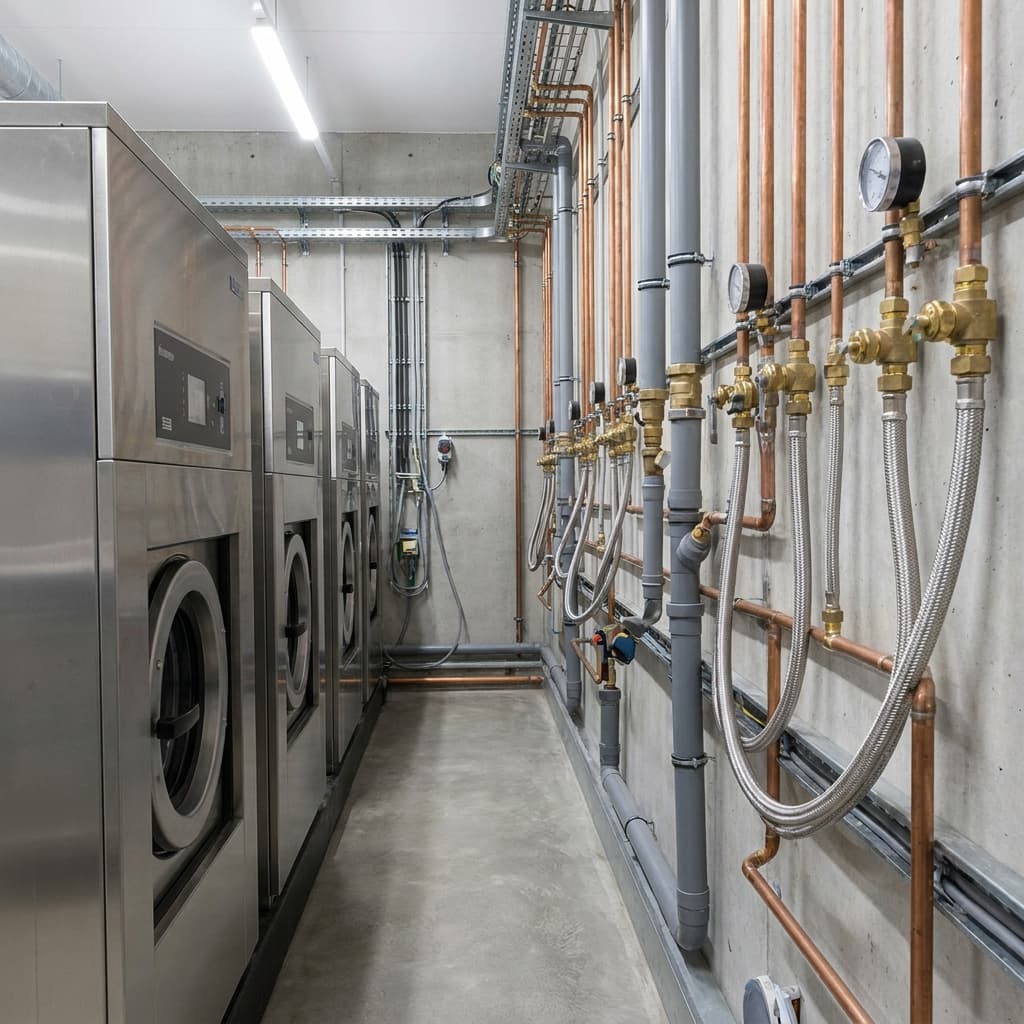
Water and sewer are usually a laundromat's single largest variable cost, and water usage is also the strongest independent check on how much a store really earns. Understanding both protects your margin once you own the store and protects your price while you are buying it. This guide covers what drives the cost, how to use water to verify revenue, and how to bring the bill down.
| Utility | Typical Cost Share | What Drives It | How to Reduce |
|---|---|---|---|
| Water | Largest variable cost | Machine efficiency, wash volume, local rates | High-efficiency washers; fix leaks |
| Sewer | Billed with water (% of water used) | Same as water | Follows water improvements |
| Gas | Second-largest variable cost | Dryer use, water heating, machine efficiency | High-extract washers reduce dry time |
| Electricity | Moderate | Motors, lighting, vending, card systems | LED lighting; efficient motors |
| Total utilities | Often 25%–40% of revenue | Local rates + equipment age | Equipment upgrade is the main lever |
Contents
- Why water and sewer are the biggest variable cost
- What drives the cost
- Using water to verify revenue
- A worked example
- How to lower the cost
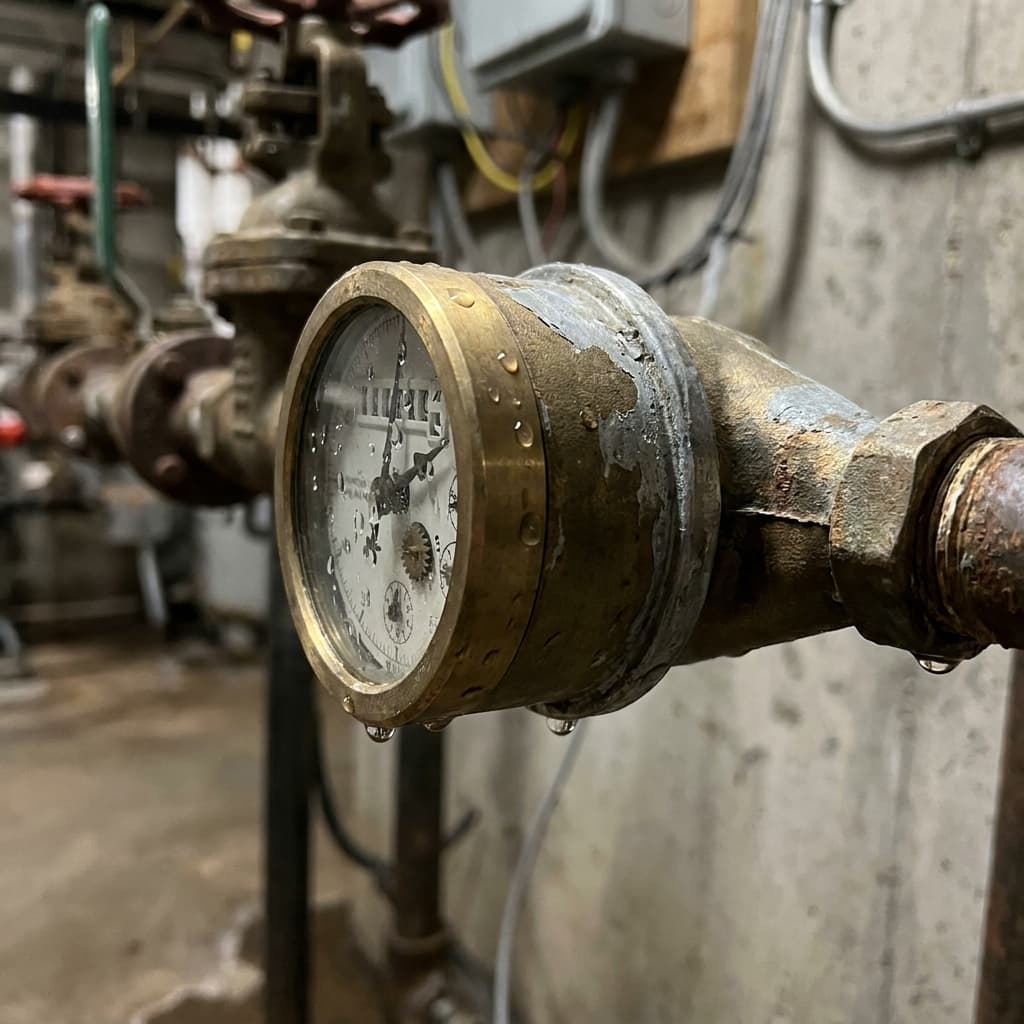
Why water and sewer are the biggest variable cost
Washers consume a lot of water, and sewer charges are usually billed as a function of water used, so the two move together and together typically form the largest variable expense after rent. Unlike rent, which is fixed, the water and sewer bill rises and falls with how much the store runs, which makes it central to the margin. A store with high local rates or thirsty old machines simply keeps less of every dollar it collects than an efficient one across town.
What drives the cost
Three things drive the bill: the local water and sewer rates, the efficiency of the machines, and the total volume of wash. Rates are outside your control and vary widely by municipality. Efficiency is very much in your control, since older high-consumption washers can use far more water per pound than modern high-efficiency models, a gap that compounds over thousands of cycles. Volume is the good kind of cost, because more washing means more revenue, as long as your vend prices are set to cover the water each cycle uses. Equipment age is the lever you can change, which is why it ties so closely to how long commercial washers and dryers last.
Using water to verify revenue
Because each wash cycle uses a fairly predictable amount of water, the water bill is the hardest number for a seller to fake and therefore the best independent check on claimed revenue. If a seller reports collections that would require far more cycles than the water usage supports, the numbers do not add up. Reconciling reported income against metered water is one of the most important steps in buying a store, covered in detail in how to verify a laundromat's revenue. Always ask for at least a year of water bills during due diligence.
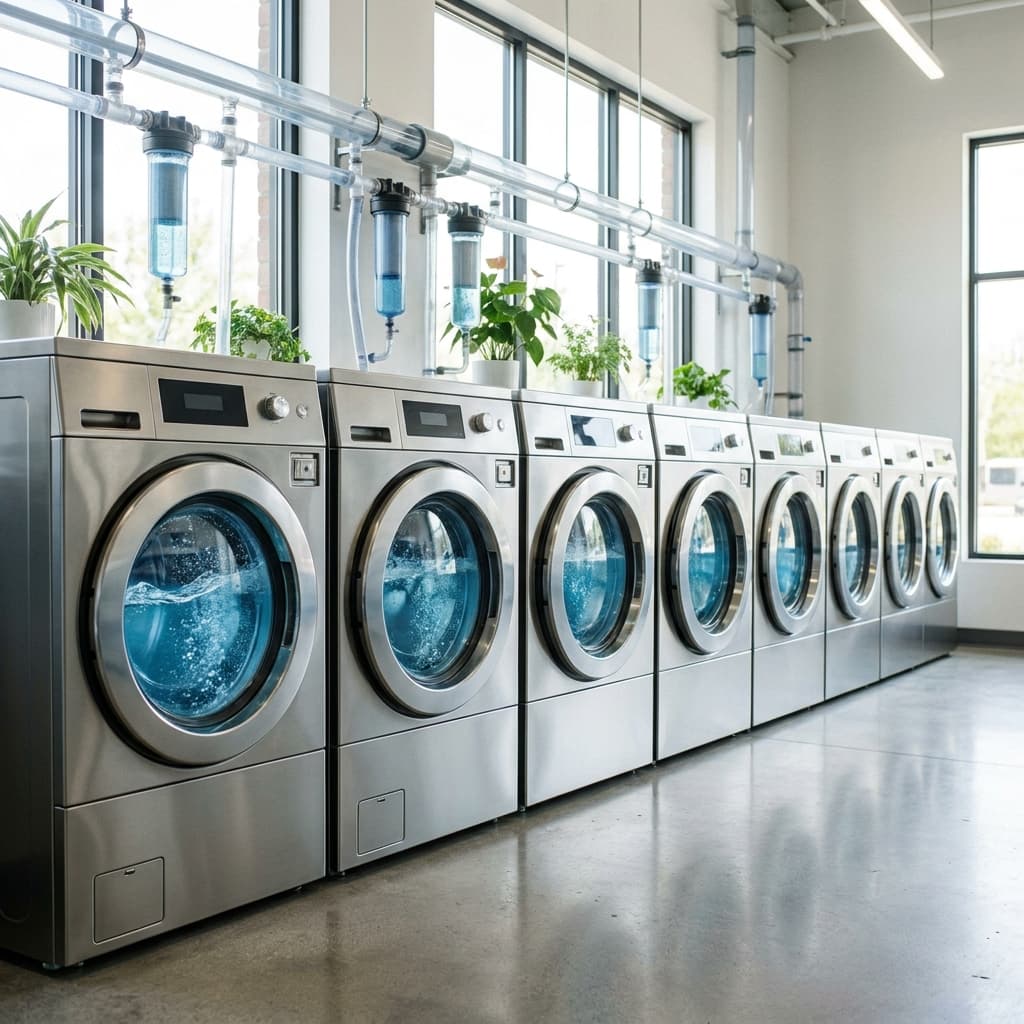
A worked example
Suppose a seller claims the machines run far more turns per day than the water bills could support. Working backward from metered gallons to a realistic number of cycles, you estimate revenue meaningfully below what the seller claims. That gap is not an accounting detail; at a typical earnings multiple it can swing the fair price by tens of thousands of dollars. The water bill turned a sales pitch into a number you can defend, which is exactly why experienced buyers start with utilities. Run the corrected figure through the cash flow calculator before you make an offer.
How to lower the cost
The biggest lever is equipment: high-efficiency washers use less water per pound and, by spinning clothes drier, also cut the gas needed to dry them. Beyond the machines, fix leaks promptly, maintain valves and hoses, and check whether your area offers rebates for installing efficient commercial equipment. Some operators also review their sewer billing, since a few jurisdictions offer adjustments where water does not all enter the sewer. Folding lower utility costs into the plan improves both the margin and, because stores sell on a multiple of earnings, the eventual sale value. Independent efficiency information is available from Energy Star, and the EPA WaterSense program is another reference for water efficiency.
How to read a laundromat water bill
A water bill has more on it than a single dollar figure. It usually shows the volume of water used in the period, the water charge, and a separate sewer charge that is often calculated from the water volume, plus fixed service fees. To use the bill in diligence, focus on the volume, because gallons used is the number you can tie back to wash cycles. Compare several months to see seasonality and to catch any month that looks off, which can signal a leak, a meter problem, or a change in how busy the store was. A sudden spike with no matching rise in revenue is worth a question, and a suspiciously low bill against high claimed revenue is an even bigger one.
Gas and electricity move with water
Water is the headline, but it does not travel alone. The same loads that use water also use gas to heat water and dry clothes, and electricity to run motors and lights, so a thirsty, inefficient store tends to be expensive across all its utilities at once. When you model a store, treat water, sewer, gas, and electricity as a connected group rather than separate lines, because the equipment decisions that fix one usually help the others. Efficient, high-extraction machines lower water and gas together, which is why utility cost and equipment age are really the same conversation.
Questions to ask the seller about utilities
During diligence, ask the seller a focused set of utility questions: how water and sewer are billed and at what rates, whether any rate increases are scheduled, how old the machines are and whether any are known to be inefficient, and whether there have been recent leaks or plumbing repairs. Request at least twelve months of bills for every utility, not just water, and reconcile them against the claimed revenue and the machine count. If the seller cannot or will not produce utility records, treat it as a red flag, because utilities are routine documents any legitimate operator keeps.
Plan utilities into your first year
Once you own the store, build the verified utility figures into your operating budget and revisit them as rates change. Water and sewer rates tend to rise over time, often faster than other costs, so a margin that works today can tighten in a few years if vend prices stay flat. Set a reminder to review utility costs and pricing together at least once a year, and keep an eye on per-cycle water use as machines age, since a slow drift upward is easy to miss until it shows up as a thinner margin. Treating utilities as something you manage, not just pay, is one of the quieter habits that separates a well-run store from a struggling one.
Frequently asked questions
How much do water and sewer cost a laundromat?
It varies with local rates, machine efficiency, and volume, but together water and sewer are usually the largest variable cost after rent.
Why do buyers ask for a laundromat's water bills?
Water usage tracks wash cycles closely and is hard to fake, so it is the strongest independent check on reported revenue. Always request at least a year of bills.
How can I lower a laundromat's water bill?
The biggest lever is high-efficiency equipment, which uses less water per load and cuts drying costs. Fixing leaks, maintaining valves, and pursuing efficiency rebates also help.
Is sewer billed separately from water?
Sewer is often billed as a function of water used, so the two move together. A few jurisdictions offer adjustments where not all water enters the sewer.
Does high water use reduce a laundromat's value?
Indirectly, yes. Higher utility costs lower the margin, and since stores sell on a multiple of earnings, a thinner margin means a lower value.