Water Recycling Systems for Laundromats
SudsList Editorial · Aug 24, 2026
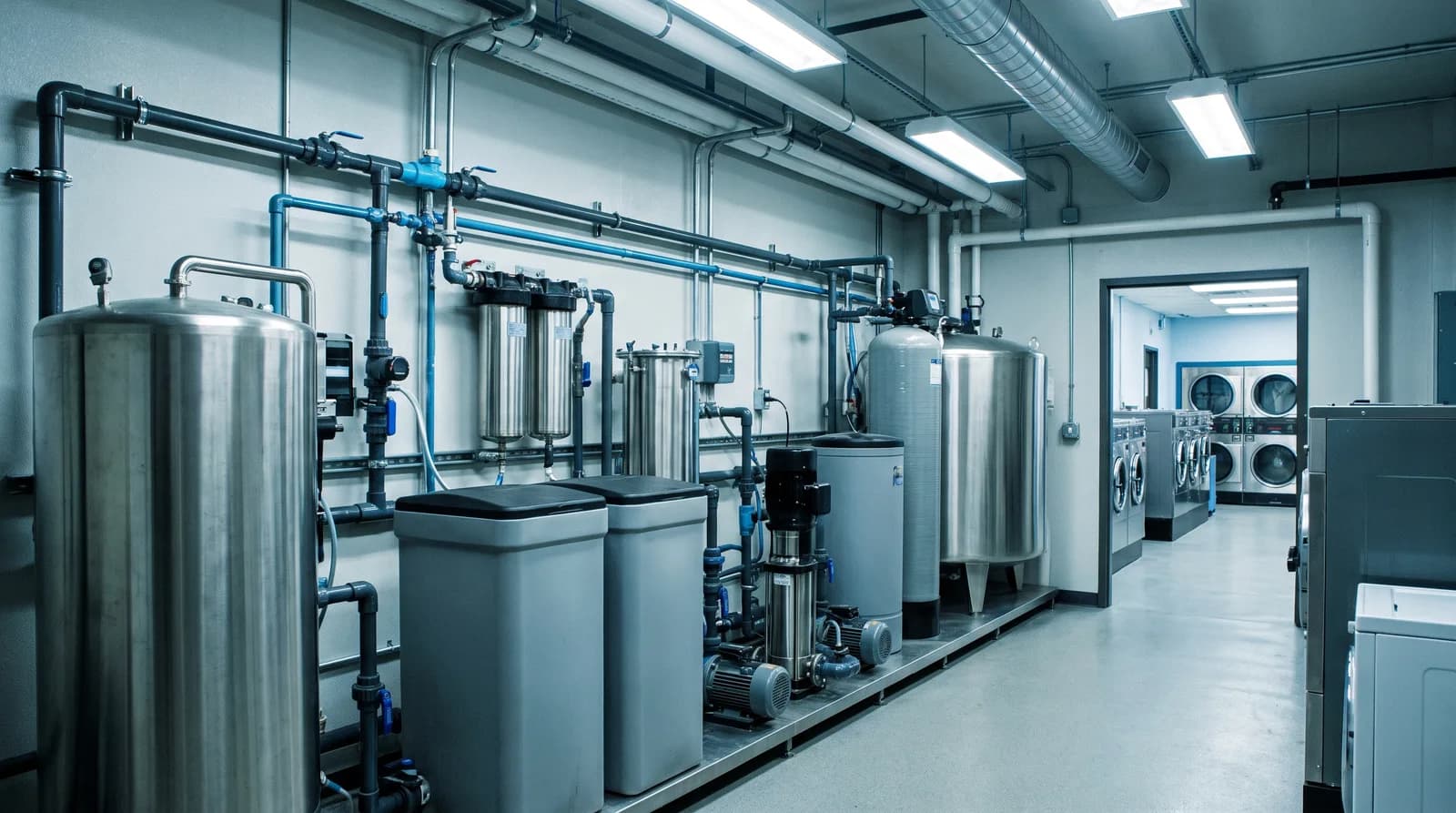
A water recycling system for a laundromat captures, filters, and reuses wash water so you buy fewer fresh gallons per turn, which lowers both your water and sewer bills. Reclamation systems recover rinse and wash water, filter it, and feed it back into the next loads, while ozone systems treat water so it cleans effectively at lower temperatures and volumes. These systems make the most sense in high-volume stores with expensive water, and much less sense in low-turn stores or where water is cheap. This guide covers how they work, what they cost, how to judge payback, and when to pass.
Key takeaways
- Water recycling systems reuse filtered wash and rinse water so you buy fewer fresh gallons, cutting both water and sewer charges.
- Ozone systems are a related approach that helps water clean at lower temperatures and volumes, which can also trim gas.
- Payback depends on your turn volume and local water rates; high-volume stores with pricey water recover the cost fastest.
- These systems carry real upfront cost and ongoing maintenance, so they are an investment, not a plug-in accessory.
- In a low-turn store or a cheap-water market, the payback often does not justify the spend.
Contents
- What is a laundromat water recycling system?
- How do reclamation and ozone systems differ?
- How much water and money can they save?
- What do these systems cost?
- How do you calculate payback?
- What maintenance do they require?
- Where do water recycling systems make sense?
What is a laundromat water recycling system?
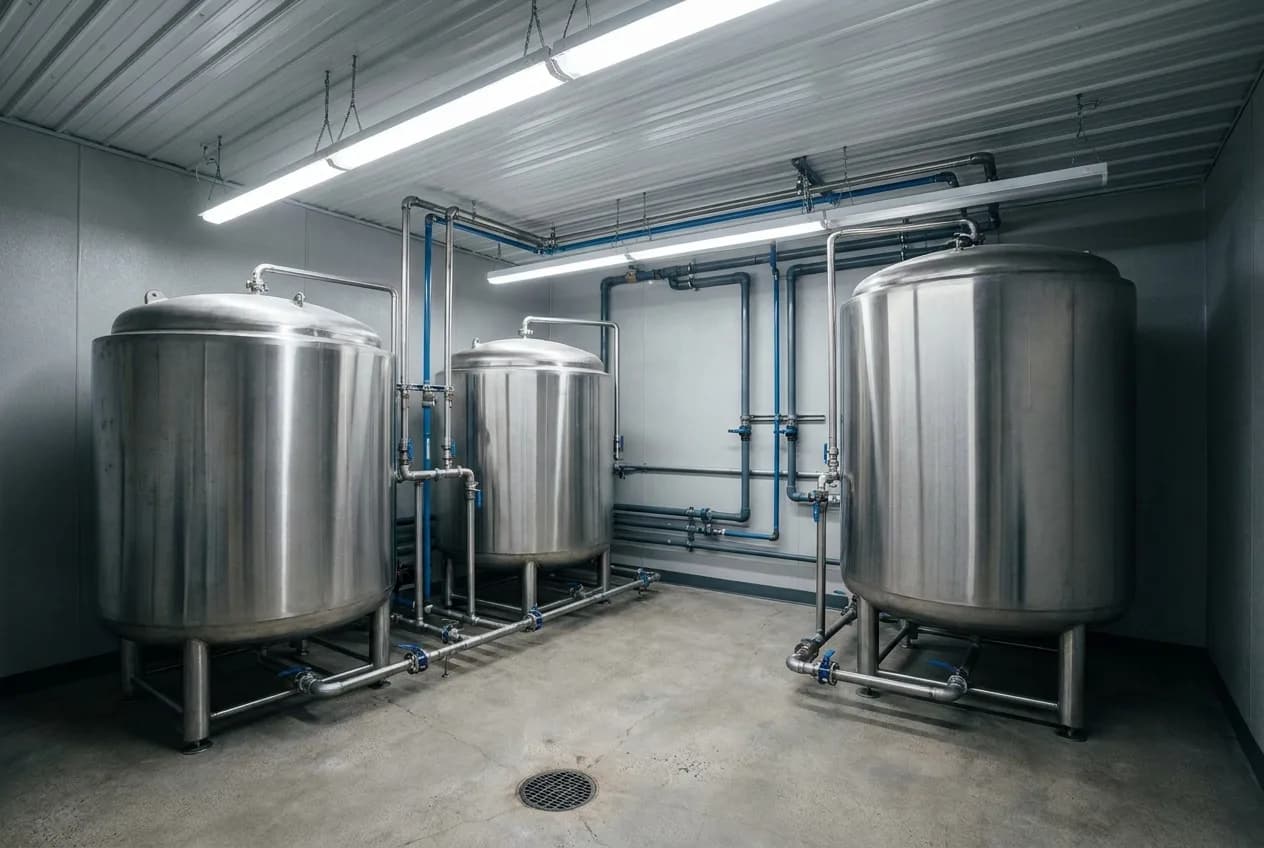
A water recycling system captures used wash and rinse water, filters it to a reusable standard, and returns it to the machines so you draw less fresh water per cycle. The goal is to cut the single largest variable cost in most stores by reusing water you have already paid for.
Because sewer charges usually track metered water use, reducing the fresh water you draw can shrink two lines on the bill at once. Water and sewer are typically among a laundromat's biggest expenses, which is what makes reuse attractive; see laundromat water and sewer costs for how those charges are structured before you evaluate a system.
How do reclamation and ozone systems differ?
Reclamation systems reuse the physical water, while ozone systems change how effectively water cleans so you can use less of it and heat it less. They solve the same problem, cost, from different angles, and some stores use both.
| System | How it saves | Main benefit |
|---|---|---|
| Water reclamation | Filters and reuses wash and rinse water | Cuts fresh water and sewer volume |
| Ozone treatment | Cleans effectively at lower temperature and volume | Trims gas for heating and some water |
Ozone's lower-temperature cleaning means your water heater does less work, so the savings can overlap with equipment and heating decisions; consider it alongside your commercial laundry water heater and your machine efficiency rather than in isolation. Neither system replaces efficient machines; they stack on top of the per-turn savings from high-efficiency washers.
How much water and money can they save?
Water recycling systems can reduce fresh water use substantially, but the dollar savings depend entirely on your turn volume and local water rates, so treat any single percentage with caution. The savings are per turn, so a high-volume store multiplies them across far more cycles than a slow store.
The savings show up as:
- Lower metered water consumption on the supply charge.
- A lower sewer charge where sewer is billed on water use.
- Reduced gas with ozone, since less hot water is needed.
Because the benefit scales with turns per day (how many wash cycles each machine runs in a day), the same system can be an easy win in a busy store and a marginal call in a quiet one. Reducing utility cost is one of the biggest levers an operator has, which is why it sits at the center of how to reduce laundromat utility bills.
What do these systems cost?
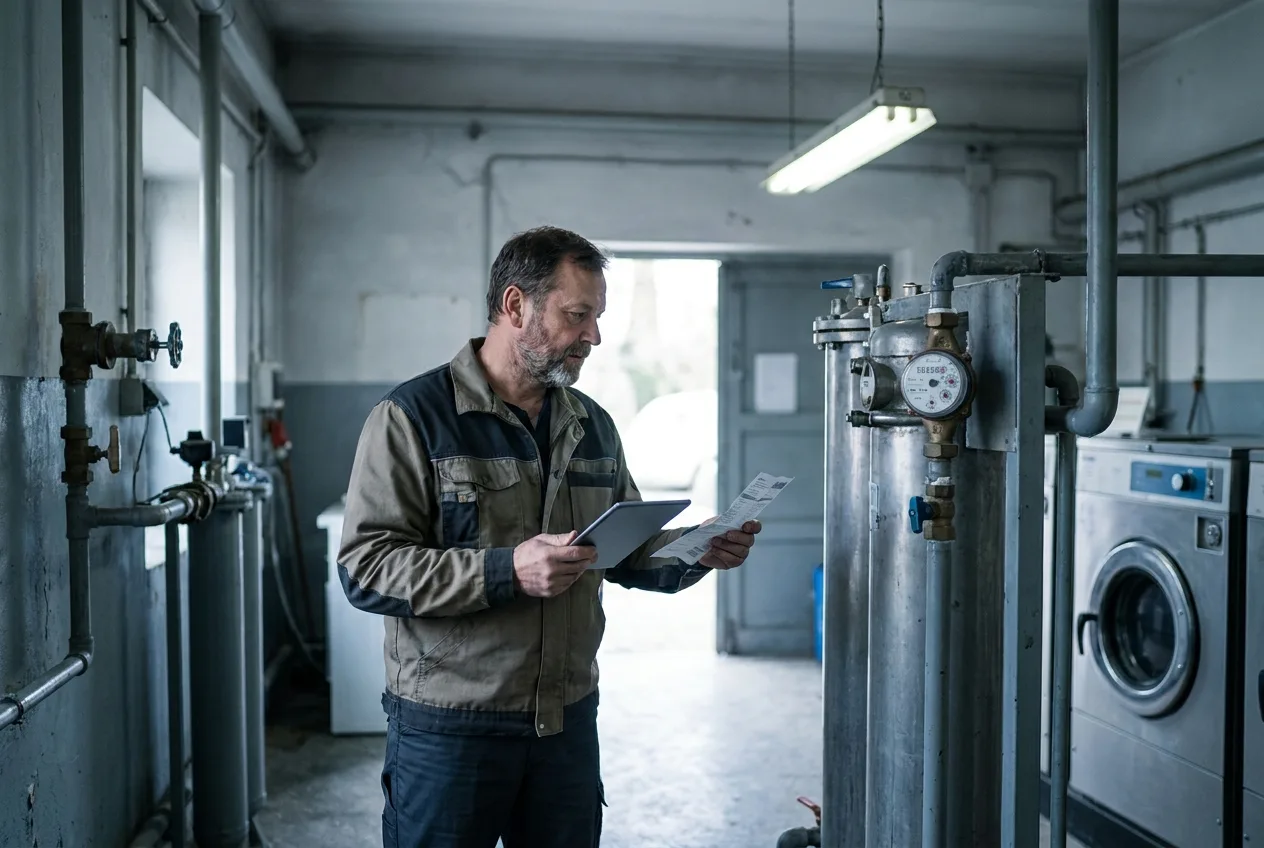
Water recycling systems carry a meaningful upfront cost for the equipment and installation, plus ongoing filter and maintenance costs, so there is no small number worth quoting. Price varies with store size, how many machines you tie in, and how much back-room space and plumbing work the install requires.
Cost components include:
- The reclamation or ozone equipment itself.
- Installation, plumbing, and any electrical work.
- Ongoing filters, media, and periodic servicing.
- Space in the back room the system occupies.
Use the equipment replacement cost calculator to frame the purchase against your other capital priorities. As a capital asset the system is usually depreciable, so the after-tax cost can differ from the sticker price; check how depreciation applies with the IRS or your accountant. A recycling system competes for the same dollars as new machines or a remodel, so weigh it against those alternatives rather than in a vacuum.
How do you calculate payback?
Calculate payback by estimating the water, sewer, and gas saved per month, then dividing the installed system cost by that monthly saving to get months to break even. Use your own utility rates, not a benchmark, because they drive the entire result.
Work through it in order:
- Pull your water and sewer rate per unit from a recent bill.
- Estimate the fresh gallons the system avoids per turn.
- Add gas savings if the system lowers heating demand.
- Multiply per-turn savings by monthly turns for a monthly figure.
- Divide installed cost by monthly savings for a rough payback in months.
Run the resulting utility line and any financing payment through the laundromat cash flow calculator so you see the effect on real cash flow. Payback is a range, so model a conservative and an optimistic case, and confirm any efficiency rebate before counting it, using resources from Energy Star.
What maintenance do they require?
Water recycling systems require regular maintenance, including filter changes, cleaning, and periodic servicing, and that upkeep is part of the true cost. A neglected system can foul water quality or fail, so the maintenance is not optional.
Typical upkeep includes:
- Replacing filters and media on the manufacturer's schedule.
- Cleaning tanks and components to keep water quality safe.
- Monitoring for leaks, pressure issues, or reduced flow.
- Occasional professional servicing.
Factor this into both your operating budget and your payback math. A system that saves on water but demands frequent servicing has a longer real payback than the water savings alone suggest.
Where do water recycling systems make sense?
Water recycling systems make the most sense in high-volume stores where water is expensive, because that combination produces the fast payback that justifies the upfront cost. They make the least sense where turns are low or water is cheap.
They tend to pay when:
- The store runs high turns per day across many machines.
- Local water and sewer rates are high.
- You have back-room space and a lease long enough to recover the cost.
Be honest when the math does not work. In a low-turn store or a cheap-water market, a recycling system can cost more in equipment and maintenance than it ever returns, and that money is usually better spent on efficient machines, cleanliness, or marketing that actually raises turns.
Frequently asked questions
What is the difference between water reclamation and ozone systems?
Reclamation systems filter and reuse the physical wash and rinse water so you draw fewer fresh gallons, while ozone systems treat water so it cleans effectively at lower temperatures and volumes. Reclamation mainly cuts water and sewer charges; ozone can also trim the gas used to heat water. Some stores use both, and neither replaces the per-turn savings from efficient machines.
How much can a water recycling system save?
These systems can reduce fresh water use substantially, but the dollar savings depend entirely on your turn volume and local water and sewer rates, so no single percentage applies to every store. Savings are per turn, so a high-volume store recovers the cost far faster than a slow one. Estimate gallons avoided per turn and multiply by your monthly turns using your own rates.
How long does a water recycling system take to pay off?
Payback varies widely because it depends on your turns and utility rates. Estimate the monthly water, sewer, and gas savings, then divide the installed cost by that figure for a rough break-even in months. Include ongoing filter and maintenance costs, which lengthen the real payback, and model both a conservative and an optimistic case rather than trusting a single number.
Do water recycling systems need a lot of maintenance?
Yes. They require regular filter changes, tank cleaning, leak monitoring, and periodic professional servicing to keep water quality safe and the system running. That upkeep is a real ongoing cost that belongs in both your operating budget and your payback math. A neglected system can foul water quality or fail, so the maintenance is not optional.
Is a water recycling system worth it for a small laundromat?
Often not. These systems make the most sense in high-volume stores where water is expensive, because that combination produces a fast enough payback to justify the upfront and maintenance cost. In a low-turn store or a cheap-water market, the equipment and upkeep can cost more than they return, and the money is usually better spent on efficient machines, cleanliness, or marketing.