How to Start a Laundry Pickup and Delivery Business
SudsList Editorial · Jul 8, 2026
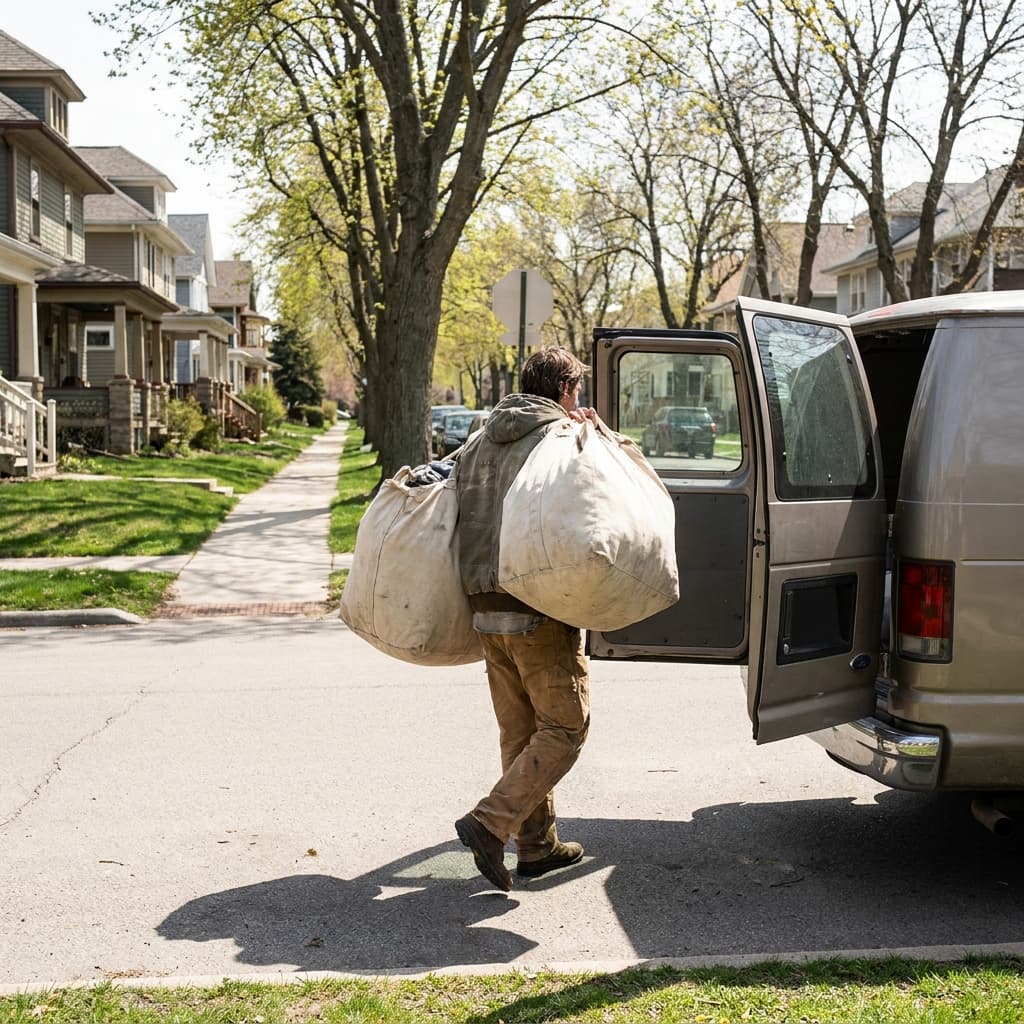
A laundry pickup and delivery business collects customers' laundry, washes and folds it, and returns it, usually on a subscription or per-pound basis. It is a more asset-light way into the laundry industry than a storefront, because you can lean on existing processing capacity, and the value lives in the routes and the recurring subscribers rather than in a building full of machines. This guide covers how the model works and how to start or buy one.
Contents
- What the model is
- How it makes money
- What you need to start
- Buy vs build
- Pricing and a worked example
- How to grow it
What the model is
Customers schedule a pickup through an app or website, you collect their laundry, process it, and deliver it back, usually billed by the pound or as a weekly subscription. Processing can happen at your own laundromat, in a dedicated facility, or through a partner plant, which keeps overhead low because you do not necessarily need to own a storefront. The business is built on routes and repeat customers, which makes it fundamentally a logistics and service operation layered on top of laundry.
How it makes money
The income is recurring and route-based, which is its great strength. The more stops you fit on a route, the more profitable each run becomes, because the driver's time and fuel are spread across more orders. Many operators pair delivery with an existing wash-and-fold operation or a laundromat to use spare machine capacity during slow hours, turning idle equipment into revenue. Subscriptions smooth the income and build a base you can value and eventually sell.
What you need to start
You need a way to take and manage orders, processing capacity, vehicles and drivers, and a plan to acquire subscribers. The order system can be an off-the-shelf laundry-delivery app. Processing can be your own machines or a partner's. Vehicles can start as a single reliable car or van. The biggest real challenge is usually demand: building a subscriber base dense enough to make routes efficient. Marketing, referrals, and tight service in a defined geographic area are what get you there.
Buy vs build
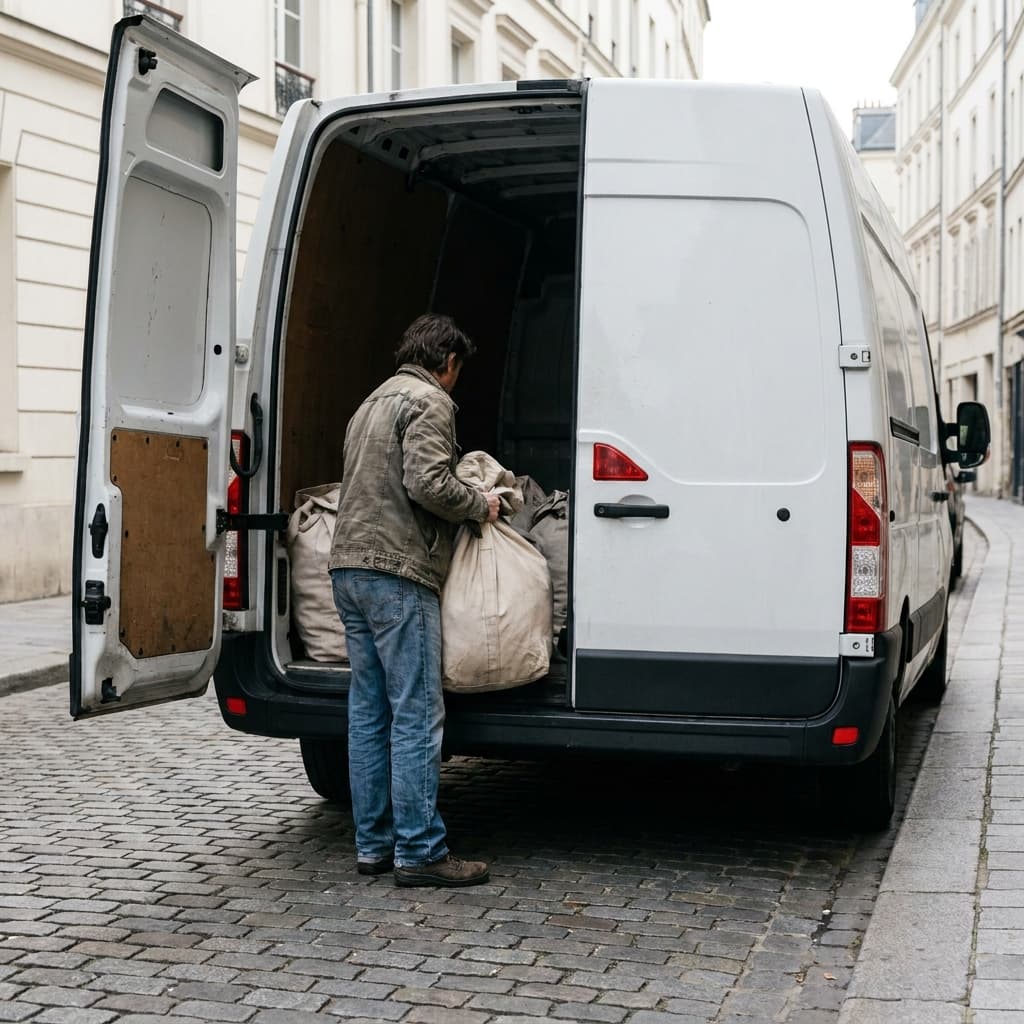
Building a route from scratch costs less to enter but ramps slowly, since you acquire subscribers one at a time. Buying an existing route comes with subscribers and proven revenue, so you start with cash flow, but you pay for that head start and must verify the customer base is real and sticky. If you want established revenue, browse laundry pickup and delivery businesses for sale and evaluate the recurring subscribers carefully during due diligence, the same way you would verify a laundromat's collections.
| Factor | Build from scratch | Buy an existing route |
|---|---|---|
| Entry cost | Lower | Higher |
| Revenue at start | None, ramps slowly | Proven and immediate |
| Main risk | Slow subscriber growth | Verifying the customer base is real |
| Best for | Patient, hands-on starters | Buyers who want proven revenue |
Pricing and a worked example
Pricing has to cover the laundry itself plus the added labor and transport, which is what separates delivery from in-store wash-and-fold. Suppose you charge $2.00 per pound with a 20-pound minimum, and a typical subscriber sends 30 pounds a week. That is $60 a week per customer, or roughly $240 a month. Fit 40 such subscribers onto efficient routes and the top line is around $9,600 a month, against which you cover processing, labor, fuel, and the order platform. The math only works if routes are dense and pricing genuinely covers the transport, so model it carefully before you launch.
How to grow it
Growth comes from route density and retention. Concentrate marketing in a tight area so each new customer makes your existing routes more efficient, rather than spreading thin across a wide region. Keep service tight, since laundry is personal and one bad return loses a subscriber. Add commercial accounts such as gyms, salons, or short-term rentals for steady volume. And track your numbers like any business, because a delivery operation lives or dies on the margin per route. For free guidance on launching a service business, SCORE and the SBA are useful resources.
Costs and margins to expect
The revenue of a delivery route is only half the picture; the margin depends on costs a storefront does not carry. On top of the laundry itself, water, detergent, and machine wear, you pay for labor to pick up, process, and deliver, fuel and vehicle costs, and the order platform's fees. Labor and transport are the big ones, which is why route density matters so much: the same driver serving ten nearby stops is far more profitable than one crossing town for three. Build a simple model that subtracts every cost, including your own time, from the per-pound or subscription revenue, and you will see quickly whether your pricing leaves a margin. Many new operators underprice, treating delivery like in-store wash-and-fold without charging for the logistics, and then wonder why volume does not translate into profit.
Common mistakes that sink delivery routes
A few mistakes end delivery businesses early. Spreading too wide too fast is the most common, chasing customers across a large area until routes are long and unprofitable. Underpricing is the second, failing to charge enough to cover transport and labor. Inconsistent quality is the third, because laundry is personal and a single ruined or lost item can lose a subscriber and their referrals. Weak retention is the fourth: acquiring customers is expensive, so a route that constantly churns never builds the recurring base that makes the model valuable. Avoiding these comes down to discipline, growing density before geography, pricing to a real margin, and treating service quality as the core product.
Licensing, insurance, and the basics
Like any business, a delivery operation needs the standard footing: a registered entity, the local licenses and any sales-tax registration that apply, and proper insurance, including coverage for the vehicles and for customers' goods in your care. Because you handle other people's property, that bailee-type coverage matters more here than in a self-service store. None of this is complicated, but it should be in place before you take your first paying order. With the basics handled, the business comes down to what makes it attractive in the first place: recurring revenue from a loyal, growing base of subscribers in a tight, well-run service area. If you would rather buy proven revenue than build it, the businesses for sale route stays open.
Frequently asked questions
How does a laundry pickup and delivery business work?
Customers schedule pickups, you process the laundry, and you deliver it back, usually by the pound or on a subscription. Processing can be in-house or through a partner plant.
Is laundry pickup and delivery profitable?
It can be, since revenue is recurring and route-based. Route density and pricing that covers the added labor and transport drive the margin.
What do I need to start?
An order system, processing capacity, vehicles and drivers, and a plan to build a dense subscriber base in a defined area.
Should I buy or build a delivery route?
Buying comes with subscribers and proven revenue but costs more; building is cheaper to enter but ramps slowly. Verify any purchased subscriber base during due diligence.
How do I grow a delivery business?
Concentrate marketing in a tight area to keep routes dense, keep service tight to retain subscribers, and add commercial accounts for steady volume.