Top-Load vs Front-Load Commercial Washers: Which Is Better?
SudsList Editorial · Jul 3, 2026
Most modern laundromats are built around front-load washers, but top-loaders still appear in some stores, and if you are buying or equipping a laundromat you should understand the trade-offs rather than assume. Front-loaders generally win on capacity, water and energy efficiency, and extraction speed; top-loaders are cheaper to buy and familiar to some customers. This guide compares the two on the factors that actually affect an owner, with a side-by-side table.
Contents
- The basic difference
- Efficiency and running cost
- Capacity and what they clean
- Upfront cost and durability
- Side-by-side comparison
- Which is right for your store
The basic difference
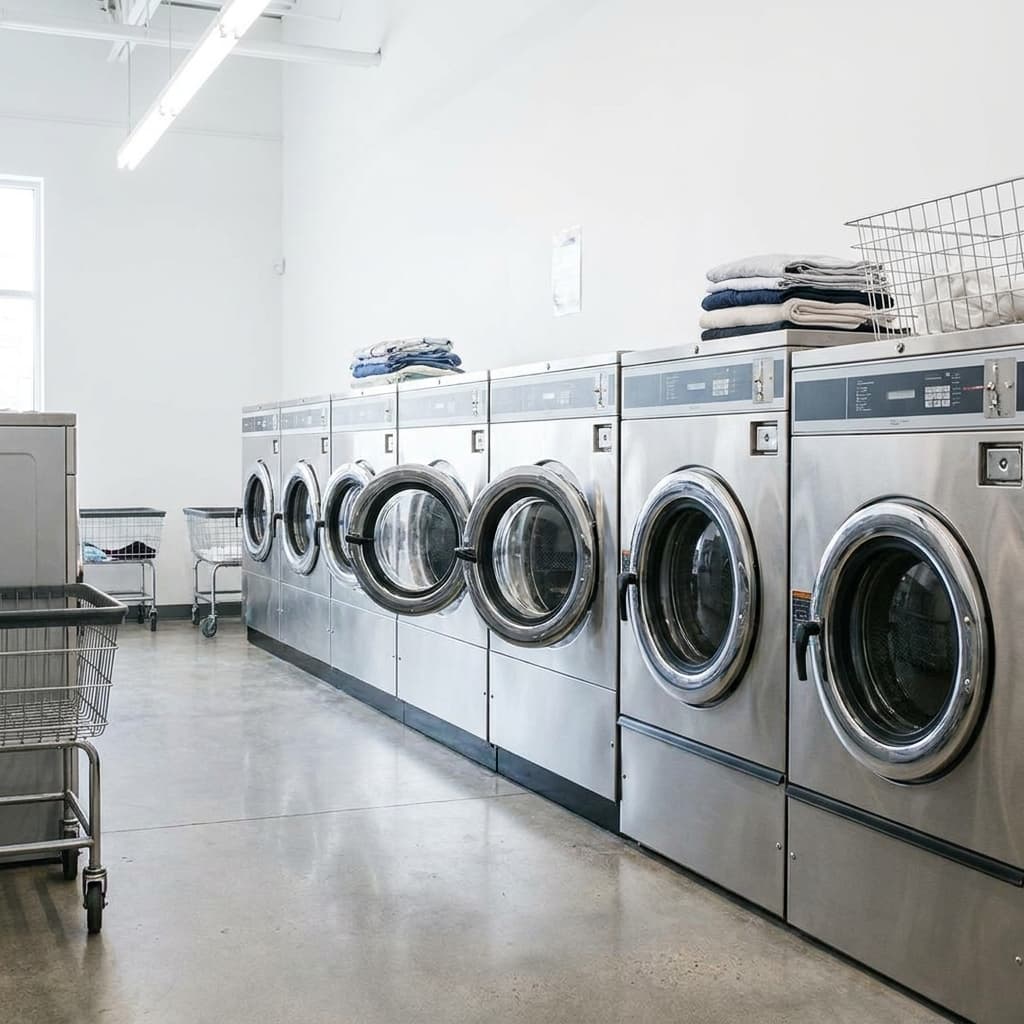
A front-load washer tumbles laundry through a horizontal drum, lifting and dropping it through a shallow pool of water. A top-loader washes in a vertical tub, either with a central agitator or a low-profile impeller. That mechanical difference is the root of everything that follows: how much water each uses, how fast it spins, how much it holds, and what it costs. For a home, the choice is largely preference; for a laundromat running thousands of cycles a month, the differences add up to real money.
Efficiency and running cost
This is where front-loaders earn their place. By tumbling through a small pool rather than filling a full tub, a front-loader uses noticeably less water per pound, and it spins much faster at the end of the cycle. That higher extraction pulls more water out of the clothes, so they spend less time in the dryer, which lowers the gas bill as well as the water bill. Because water and sewer are usually a laundromat's largest variable cost, and dryer gas is close behind, the efficiency of front-loaders compounds across every load. Top-loaders, especially older agitator models, use more water and extract less, leaving wetter clothes and longer, costlier dry times. Over a year of heavy use, that gap is one of the strongest arguments for front-load equipment.
Capacity and what they clean
Front-loaders are made in larger capacities and, because they have no central agitator, they can handle bulky items like comforters, sleeping bags, and large bedding that a top-loader simply cannot fit or clean well. Those bulky loads are high-value business, since customers will pay a premium and often have nowhere else to wash them, a point covered in commercial washer sizes and capacity. Top-loaders tend to be smaller and better suited to quick, ordinary loads. A store that relies only on top-loaders leaves the lucrative bulky-item market to competitors with big front-load machines.
Upfront cost and durability
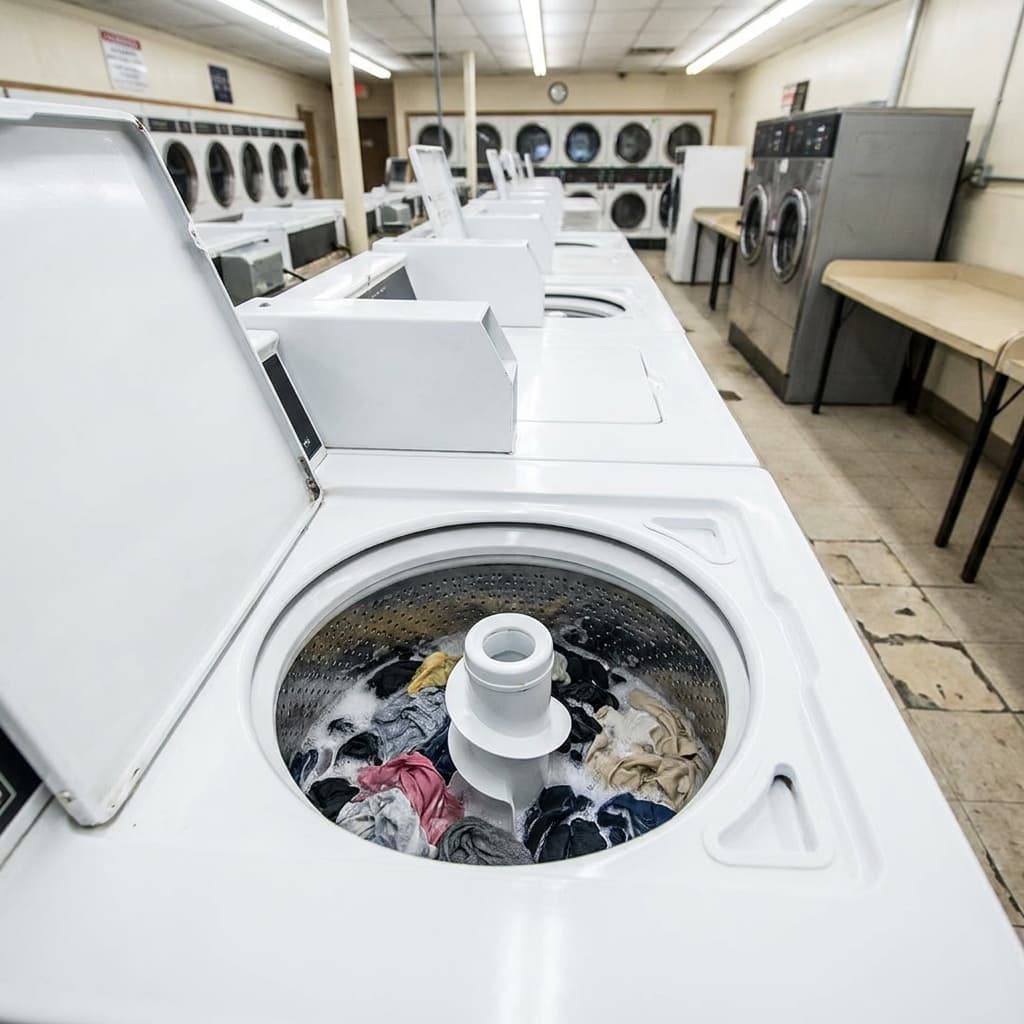
Top-loaders generally cost less to buy, which is their main advantage and the reason they still appear in budget-conscious or older stores. Front-loaders cost more upfront, but in a commercial setting their efficiency and capacity usually justify the difference over the life of the machine. Durability depends more on the brand and build than on the type; a well-made machine of either kind from a reputable brand outlasts a cheap one. Maintenance differs in character: front-loader door gaskets need periodic cleaning and eventual replacement, while top-loaders are mechanically simple but their older designs are less efficient. Factor either way into the equipment replacement cost when you plan a store.
Side-by-side comparison
| Factor | Front-load | Top-load |
|---|---|---|
| Water use | Lower per pound | Higher, especially agitator models |
| Extraction and dry time | High spin, drier loads | Lower spin, wetter loads |
| Capacity | Larger, handles bulky items | Smaller, everyday loads |
| Bulky bedding | Yes | Limited |
| Upfront cost | Higher | Lower |
| Maintenance | Door seals need care | Mechanically simple |
| Best for | Efficiency and bulky business | Budget builds, quick loads |
Which is right for your store
For most laundromats the answer is a front-load core, chosen for efficiency, capacity, and the bulky-item revenue that top-loaders cannot capture, with the size mix matched to the neighborhood. Some owners keep a few top-loaders for customers who prefer them or for quick single loads, but the trend across the industry has been decisively toward front-loaders. If you are building or re-equipping a store, lean front-load and spend the savings on efficiency. If you are buying an existing store, take stock of the installed machines: a floor of old, thirsty top-loaders is both a higher utility bill and a future replacement cost, which should inform your valuation and your offer. For independent efficiency information, Energy Star is a useful reference, and the Coin Laundry Association offers industry guidance on equipment decisions.
Where top-loaders still make sense
None of this means top-loaders are obsolete. There are real situations where they earn a place on the floor. Customers doing a single small load sometimes prefer the speed and familiarity of a top-loader, and a bank of a few inexpensive top-load machines can serve that quick-turn demand without tying up a large front-loader. In a very budget-constrained build, the lower upfront cost can help you open with more total machines, which matters when capacity at peak times drives revenue. And some long-time customers simply trust the machines they grew up with. The practical takeaway is not to ban top-loaders, but to use them deliberately, as a small complement to a front-load core rather than the backbone of the store.
The customer experience angle
Equipment choice is also a customer-experience decision, not just an efficiency calculation. Front-loaders let customers see their laundry tumbling, hold larger and bulkier loads, and finish with drier clothes that spend less money in the dryers, which customers notice over time. A store full of efficient, reliable front-loaders signals quality and tends to build the repeat traffic that makes a laundromat valuable. Top-loaders can feel dated if they dominate the floor, and a tired bank of old agitator machines is often the first thing a savvy buyer marks down when valuing a store. When you weigh the two types, think about the impression the floor makes and the loyalty it builds, because the equipment is a large part of what customers are actually paying for.
A note on maintenance and uptime
Whichever type dominates your floor, uptime is what protects revenue, and the two types fail in different ways. Front-loader door gaskets collect lint and residue and need regular cleaning to avoid odors and leaks, and their drain pumps and bearings wear with heavy use. Top-loaders have fewer seals but their transmissions and agitators can wear, and older units are simply harder to keep efficient. Build a basic preventive-maintenance routine either way: clean gaskets and lint traps on a schedule, inspect hoses and valves, and keep a small parts inventory for common failures so a down machine is back in service the same day. A reliable floor is worth more than a slightly cheaper one, because every idle machine is lost revenue, a discipline covered in how to run a laundromat.
The bottom line
For a new build or a serious re-equip, lead with front-loaders for their efficiency, capacity, and the bulky-item revenue they unlock, and add a small number of top-loaders only where quick small loads or budget genuinely call for them. For a purchase, read the installed mix as both an operating reality and a negotiating point: efficient front-loaders support the price, while a floor of aging top-loaders signals higher utility bills and a looming replacement cost you can factor into your offer. For a wider look at choosing machines, see the best commercial washer brands guide.
Frequently asked questions
Are front-load or top-load washers better for a laundromat?
For most laundromats, front-loaders are better because they use less water, spin drier to cut dry times, and handle bulky items. Top-loaders cost less upfront and suit quick, ordinary loads.
Why are front-load washers more efficient?
They tumble laundry through a small pool of water instead of filling a full tub, using less water per pound, and they spin faster, extracting more water so clothes need less dryer time.
Can top-load washers handle comforters?
Not well. Their central agitator and smaller tubs limit bulky items like comforters and sleeping bags, which is high-value business that large front-loaders capture.
Are top-load washers cheaper?
They generally cost less to buy, which is their main advantage. In a commercial setting, front-loaders' efficiency and capacity usually justify the higher upfront price over the machine's life.
Should I replace top-loaders when I buy a store?
Not necessarily all at once, but old, inefficient top-loaders mean higher utility bills and a future replacement cost, so factor them into your offer and a phased upgrade plan.