How to Transfer a Laundromat Lease
SudsList Editorial · Jul 3, 2026
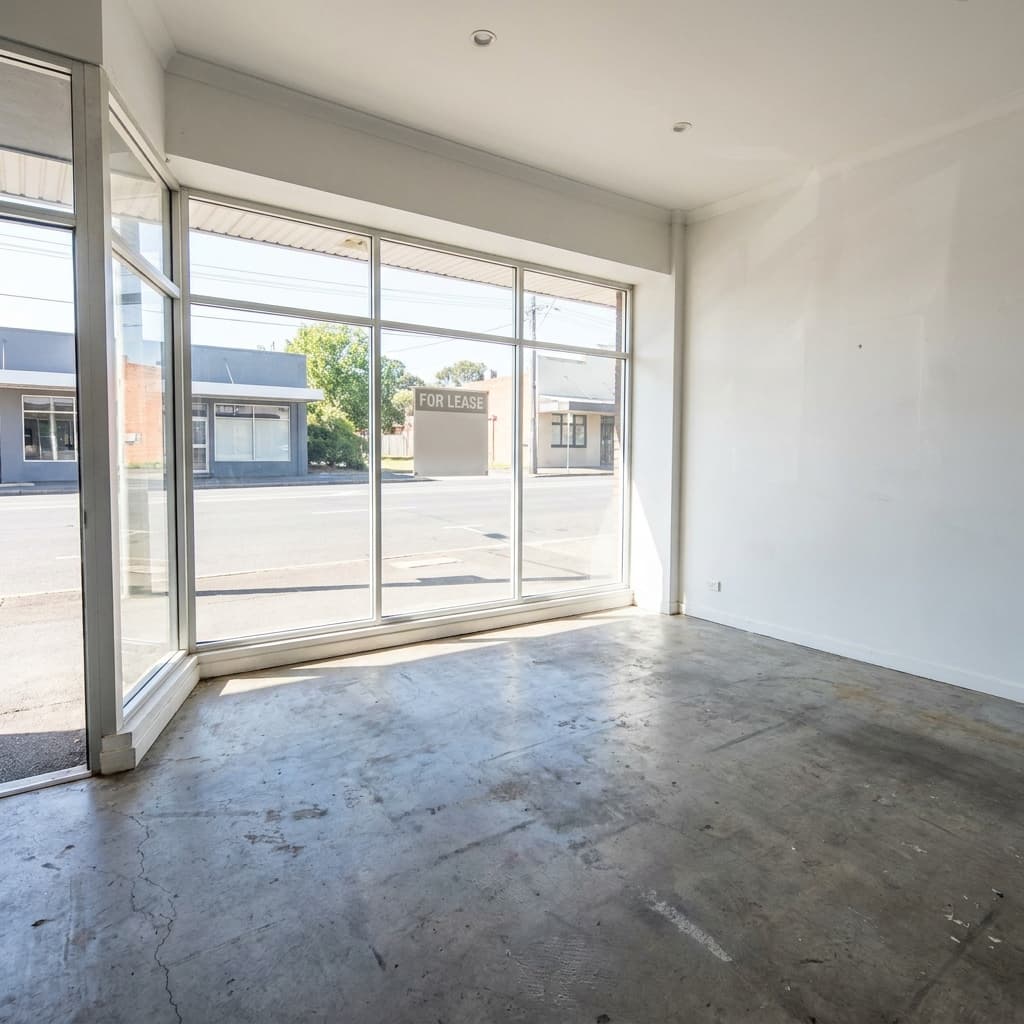
For a laundromat sale to work, the lease has to come with it, because the store cannot move. The income you are buying is tied to that address, with its heavy plumbing, power, and customer base, so securing the lease, by assigning the existing one or signing a new one, is one of the most important steps in any purchase. This guide explains how lease transfer works and how to get the landlord's approval.
Contents
- Why lease transfer matters
- Assignment vs a new lease
- Getting landlord approval
- What to confirm
- A worked example

Why lease transfer matters
A laundromat is built into its location. The plumbing, electrical service, and water hookups represent a large sunk investment, and the customer base is the surrounding neighborhood. If the lease cannot transfer on workable terms, the deal can collapse no matter how good the store's numbers look, because without the location there is no business. This is why experienced buyers treat the lease as a make-or-break item and confirm it early, not at the last minute. The lease review and its transfer are central to the whole purchase.
Assignment vs a new lease
There are two ways the lease comes to you. In an assignment, the seller transfers the remaining lease to you on its existing terms, so you step into the same rent, remaining term, and conditions. Alternatively, the landlord may issue you a new lease. A new lease can be good news if it adds years of security, but read it carefully, because the rent, increases, or conditions may change from what the seller had. Either path requires you to understand the document fully, since the lease shapes the store's profitability for years through rent and the rent-to-revenue ratio.

| Factor | Assignment | New lease |
|---|---|---|
| What it is | Take over the seller's remaining lease | Landlord issues you a fresh lease |
| Terms | Same rent and remaining term | May change rent, term, or conditions |
| Upside | Simple, with known terms | Can add years of security |
| Watch for | A short remaining term | New or higher rent and increases |
Getting landlord approval
Most commercial leases require the landlord's consent to assign, so the landlord is effectively a third party to your purchase. Approach them early and present yourself as a qualified, stable operator: bring a brief background, your plan for the store, and evidence you can pay. Landlords care about reliable rent, so a buyer who looks capable and serious is easy to approve. A landlord who will not consent to an assignment, or who will only offer a short or much costlier new lease, is a problem you want to discover early, while you can still renegotiate or walk, rather than after you have spent on diligence. Get the consent or new lease in writing before closing.
What to confirm
Before you commit, confirm the remaining term and any renewal options, the current rent and the schedule of increases, who is responsible for taxes, insurance, and maintenance, and that the assignment or new lease is documented and signed. Make lease transfer an explicit contingency in your offer so you are protected if it falls through, and fold the whole lease question into your due diligence checklist. A lease problem the seller glosses over is one of the red flags most likely to sink a deal.
A worked example
Imagine a strong store with three years left on its lease. On the surface the numbers look good, but three years is short for a buyer who plans to operate for a decade and may want to sell later, since a new buyer down the road would inherit an even shorter term. You approach the landlord during diligence, present your background, and negotiate a new ten-year lease with defined annual increases before closing. The store's value actually rises, because a longer, assignable lease makes it more financeable and more saleable. Had the landlord refused, you would have learned that the apparent bargain carried a serious risk, and your lease contingency would have let you renegotiate the price or walk away. The lesson is to settle the lease before you settle the purchase. Free guidance on buying a business and lease issues is available from the SBA and SCORE.
Key lease clauses to read closely
Whether you assign the existing lease or sign a new one, a handful of clauses deserve close attention because they shape the store's economics and your flexibility. The rent and the increase schedule determine your single largest fixed cost. The remaining term and renewal options determine how long your investment is secure and how easily you can sell later. The assignment clause itself governs whether and how you can transfer the lease to a future buyer, so a restrictive one limits your exit. Use clauses, exclusivity, and permitted-use language confirm you can actually operate a laundromat and, if you want, add services like wash-and-fold. And responsibility for repairs, taxes, insurance, and common-area costs can quietly add a lot to the headline rent. Read each of these, and have an attorney review anything you do not fully understand.
Negotiating better terms during the transfer
A lease transfer is also an opportunity. Because the landlord has to be involved anyway, it is a natural moment to negotiate, especially if the current lease is short or carries steep increases. You can ask for a longer term, more renewal options, a cap on annual increases, or a clearer assignment clause for your own future exit. Landlords value a stable, qualified tenant who will keep the space occupied and the rent flowing, so a serious buyer often has more leverage than they expect. Approach it professionally, lead with what you bring as an operator, and aim for terms that make the store both profitable to run and easy to sell later, since a buyer down the road will scrutinize the lease just as you are.
What a strong lease looks like
As a rule of thumb, a strong laundromat lease has a long remaining term or solid renewal options, predictable and capped increases, a clear right to assign, and rent that sits at a healthy share of revenue rather than squeezing the margin. You can test that last point quickly with the rent-to-revenue ratio: if rent is a heavy share of sales, even a long lease is a burden. The best leases give you years of security at a rent the store can comfortably carry, which is what makes a laundromat both profitable to operate and attractive to the next buyer.
Make the lease a condition, not an afterthought
The thread running through all of this is timing: handle the lease early and in writing. Make a satisfactory lease assignment or new lease an explicit condition of your purchase, settle the terms before you close, and never rely on a verbal assurance. A signed lease on good terms is one of the most valuable things you walk away with at closing, and if the lease cannot be put on solid footing, that information is itself valuable, because it is far cheaper to learn during diligence than after you own a business you cannot easily keep or sell.
Frequently asked questions
Can you transfer a laundromat lease?
Usually yes, either by assigning the existing lease on its current terms or by the landlord issuing a new lease. Most leases require the landlord's consent to assign.
What if the landlord will not approve the transfer?
That can end the deal, since the store cannot move. Approach the landlord early and make lease transfer a contingency in your offer so you can renegotiate or walk if it falls through.
Is an assignment or a new lease better?
An assignment keeps the existing terms; a new lease can add years of security but may change rent or conditions. A longer, assignable lease generally makes the store more financeable and saleable.
What should I confirm in a lease transfer?
The remaining term and renewal options, the rent and increase schedule, responsibility for taxes, insurance, and maintenance, and that the assignment or new lease is signed before closing.
When should I talk to the landlord?
Early, during due diligence, not at the last minute. A reluctant landlord is a risk you want to find while you can still renegotiate or walk away.