Buying a Laundromat in Texas
SudsList Editorial · Jul 15, 2026
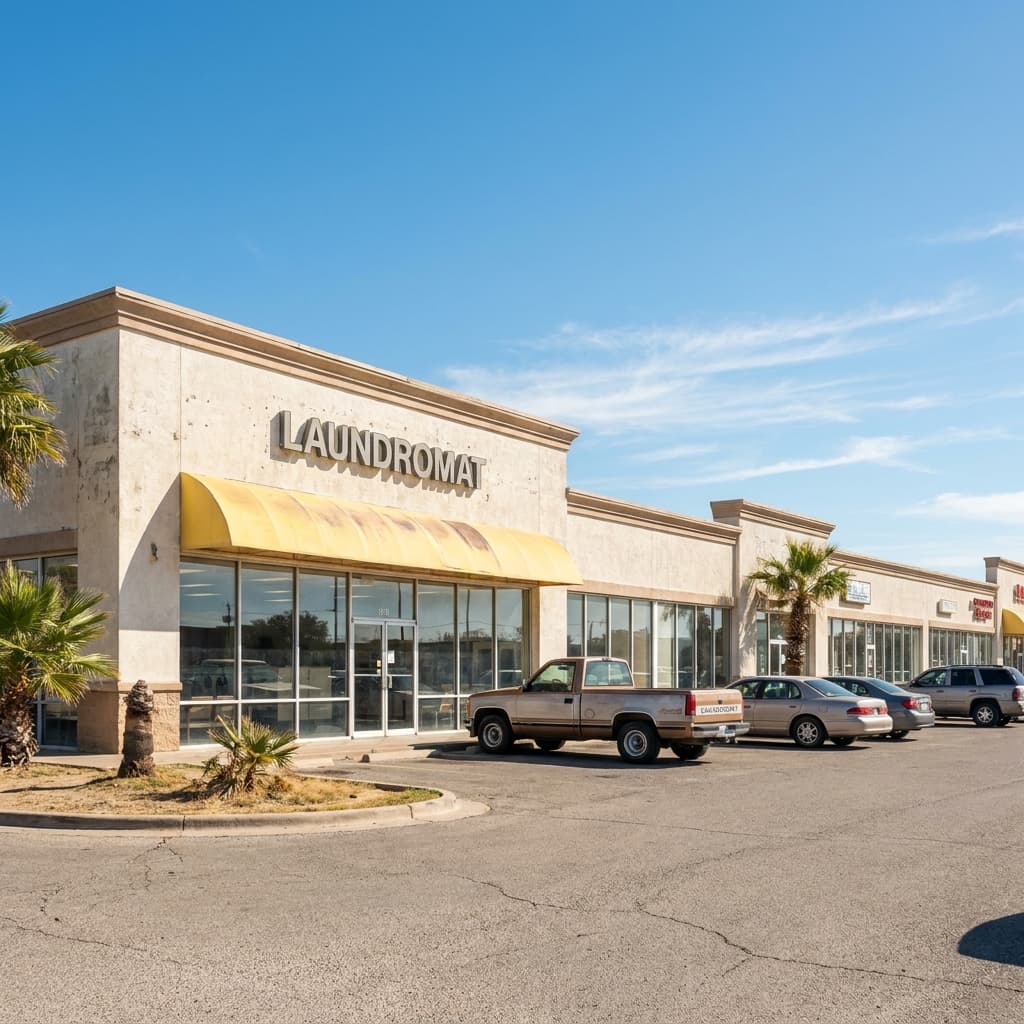
Texas pairs fast population growth with lower rents and utility costs than the coastal states, which can make for attractive laundromat economics. Demand is strongest in the big metros of Houston, San Antonio, Dallas-Fort Worth, and Austin, and the state's growth keeps adding renters who need laundry. This guide covers what to focus on as a buyer in Texas.
Contents
- The Texas market
- Where the demand is
- What to check in Texas
- Financing and costs
- Texas permits and rules
- A worked example
- Where to look
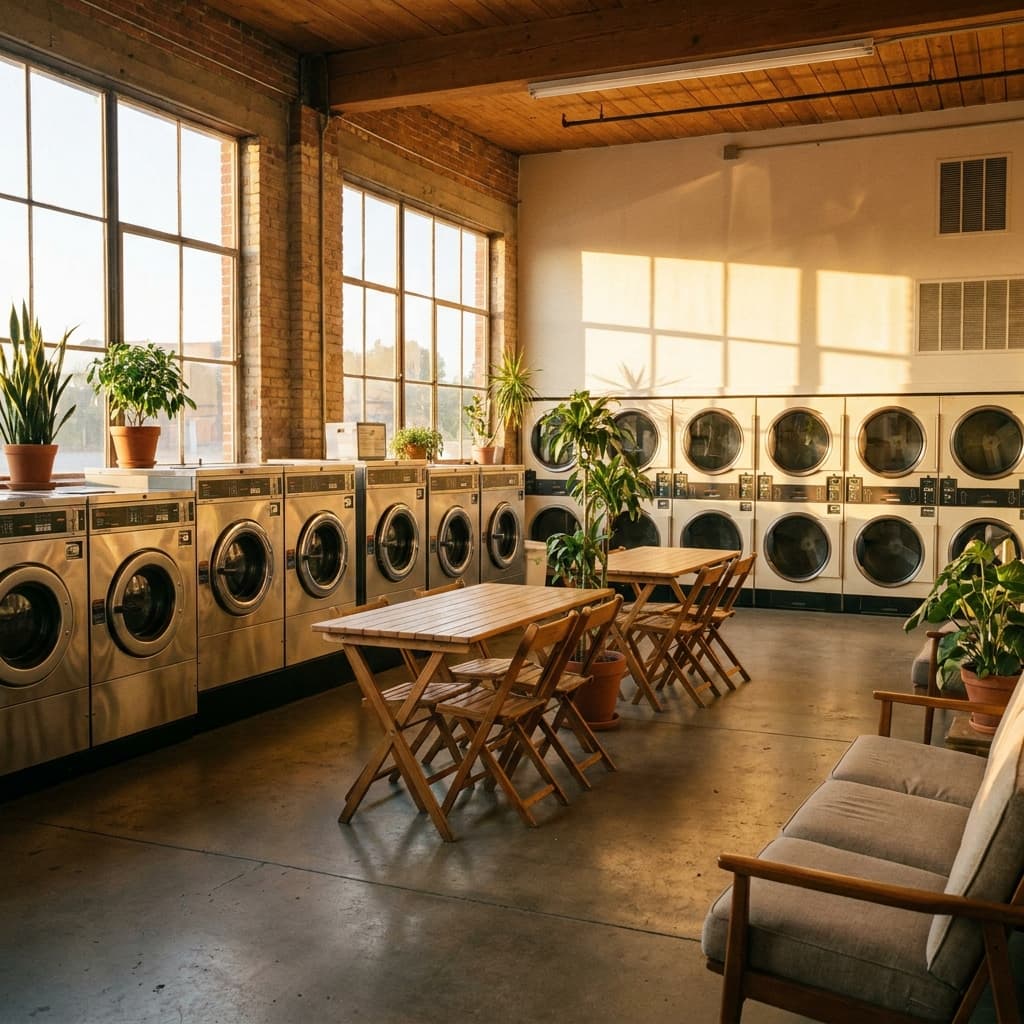
The Texas market
Texas combines rapid population growth with operating costs that are generally lower than the coasts, a mix that can translate into healthier margins. Large renter populations in the major metros support steady laundromat usage, and the steady inflow of new residents keeps demand growing. Lower rents and utility costs than California or New York mean a Texas store can keep more of every dollar it collects, though the fundamentals, the lease, verified revenue, and equipment, still decide whether a specific store is a good buy.
Where the demand is
Demand concentrates in the four big metros, each with deep renter populations.
| Metro | Why it matters |
|---|---|
| Houston | The largest market, with a huge renter population |
| Dallas-Fort Worth | A fast-growing metroplex with strong demand |
| San Antonio | Steady demand and lower operating costs |
| Austin | Rapid growth and a continuing influx of renters |
Smaller cities across the state add further opportunities, often with less competition than the metros.
What to check in Texas
The fundamentals are the same everywhere: verify revenue against water usage as in how to verify a laundromat's revenue, review the lease, and inspect equipment age. Texas utility costs are generally lower than the coasts, but still confirm the water and sewer costs for the specific store. Confirm local permits and any sales-tax registration for wash-and-fold with local authorities, since requirements vary by city.

Financing and costs
Lower prices than the coasts can mean a smaller down payment in absolute terms, which helps your return. Many buyers finance with an SBA loan; model the numbers with the calculators and plan for the full cash picture as in how much money you need to buy a laundromat. The healthier margins common in Texas can make debt service easier to cover, but underwrite against verified earnings regardless.
Texas permits and rules
Texas is generally a business-friendly state with no state income tax, but you still need the standard registrations and local permits. Beyond a registered entity and local business license, expect a sales-tax permit if you sell wash-and-fold, vending, or retail goods, plus building, occupancy, and any wastewater approvals. Requirements vary by city and county, so confirm the specific list with local authorities rather than relying on a general checklist.
A worked example
Suppose a Houston store collects $200,000 a year with moderate rent and reasonably efficient machines. Lower Texas utility and rent costs leave a healthier margin than the same revenue would in a coastal market, which supports both the financing and the value. Run the specific numbers through the cash flow calculator and confirm the margin holds after every real cost before you make an offer.
Where to look
Start with laundromats for sale in Texas, then add laundry-specialist brokers and direct outreach as covered in how to find laundromats for sale. Work every deal through the due diligence checklist. For general guidance, the SBA is useful, and Energy Star helps you judge equipment efficiency.
Why Texas can offer healthy margins
The appeal of Texas for laundromat buyers is the combination of growing demand and lower costs. Rents in many Texas markets are more reasonable than on the coasts, water and utility rates are often lower, and the absence of a state income tax can help an owner's after-tax return. Together these mean a Texas store with solid revenue often keeps a healthier share of it than a comparable store in California or New York. That does not guarantee a good deal, since a bad lease or aging equipment can spoil the economics anywhere, but the baseline conditions are favorable, and steady population growth supports demand for years.
Texas utilities and equipment
Though Texas utility costs are generally lower than the coasts, hot summers mean air conditioning and water use still matter, so efficient machines and a well-maintained store keep costs down and customers comfortable. When you evaluate a store, check the age and efficiency of the washers and dryers and review recent utility bills, since equipment efficiency and water costs shape the margin even where rates are reasonable.
Common mistakes buying in Texas
A few mistakes recur even in a favorable market. The first is assuming low costs make diligence optional; you still verify revenue against water usage and read the lease carefully, because a weak store is a weak store regardless of the state. The second is overpaying because the market is hot, since rapid growth can push asking prices ahead of the earnings that support them. The third is ignoring competition in the booming metros, where a great location matters as much as the city. Treat each store on its own numbers, not on the strength of the Texas story.
Thinking ahead to resale
Buy with the eventual sale in mind. A long, assignable lease, efficient equipment, and clean, verifiable books are what the next buyer will want, and they support a strong price when you exit. In a growing market like Texas, a well-run store on a good site with solid books can sell readily, so the lease you secure and the records you keep today are part of what you walk away with later.
The bottom line
Texas offers a genuinely attractive backdrop: growing demand, lower costs, and healthy potential margins, anchored by four large metros. The opportunity is real, but it does not replace diligence. Verify the revenue, scrutinize the lease and the equipment, underwrite against conservative numbers, and the favorable Texas conditions work in your favor rather than papering over a weak deal. When you are ready to compare specific listings, the calculators and the due diligence checklist turn the search into numbers you can act on.
Frequently asked questions
Is Texas a good place to buy a laundromat?
It can be. Population growth and lower operating costs than the coasts support healthy economics, especially in the big metros of Houston, Dallas-Fort Worth, San Antonio, and Austin.
Which Texas cities have the most laundromats for sale?
Houston, Dallas-Fort Worth, San Antonio, and Austin are the most active markets, with smaller cities adding opportunities at less competition.
What should I verify in Texas?
Revenue against water usage, the lease, equipment age, and local permits including any sales-tax registration for wash-and-fold.
Are margins better in Texas?
Often, because rents and utilities are generally lower than the coasts. Still underwrite each store against its own verified numbers.
Does Texas have special laundromat rules?
No special laundromat license, but you need standard registrations, local permits, and a sales-tax permit if you sell taxable services. Requirements vary by city and county.