Buying a Laundromat in New York
SudsList Editorial · Jul 17, 2026
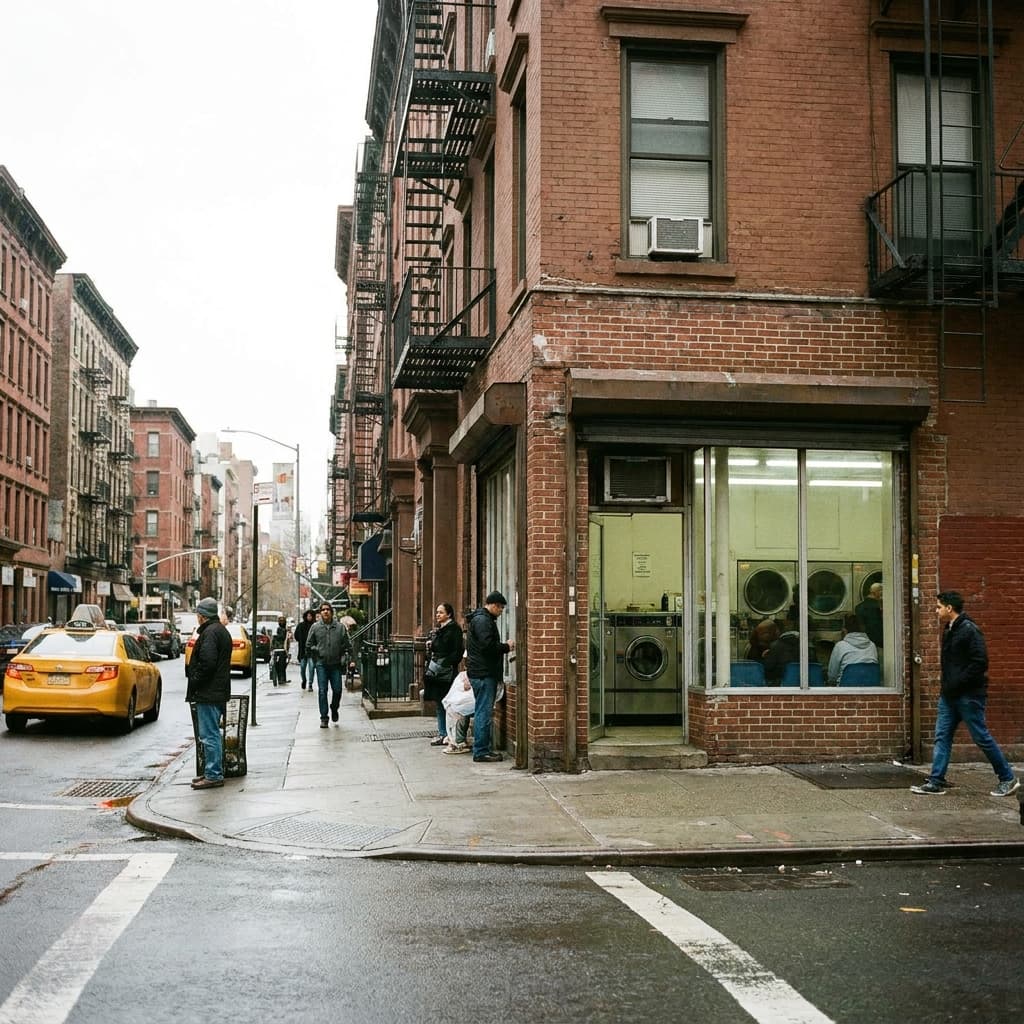
New York offers extremely dense, renter-heavy laundromat demand, concentrated in New York City and its boroughs, where most residents rent and many lack in-unit laundry. The flip side is some of the highest rents in the country, which makes the lease the single most important factor in any deal. This guide covers what to focus on as a buyer in New York.
Contents
- The New York market
- Where the demand is
- What to check in New York
- Financing and costs
- New York permits and rules
- A worked example
- Where to look
The New York market
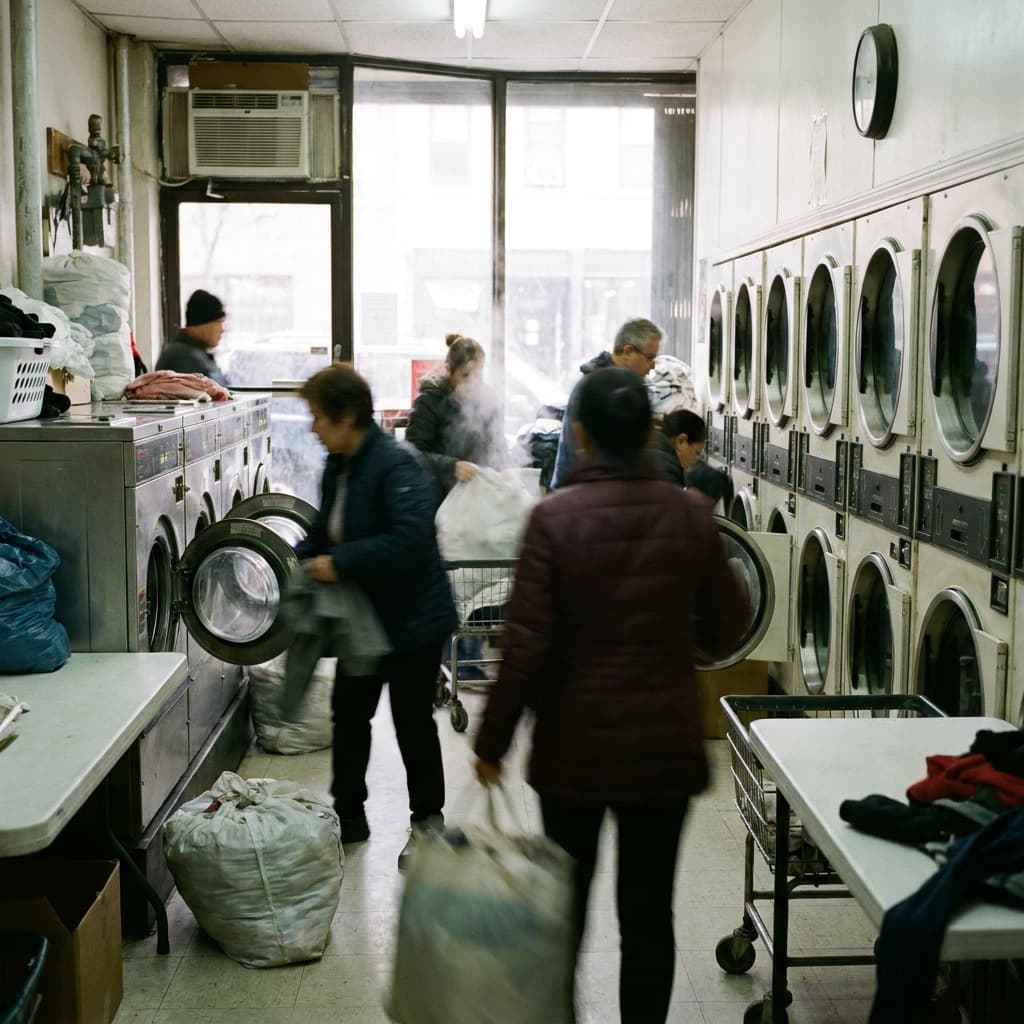
Most residents rent and many lack in-unit laundry, which drives heavy laundromat use, especially across New York City. That demand is among the deepest in the country, but it comes with the highest rents, so a New York store can be busy and still deliver a thin margin if the lease is unfavorable. The lease, more than anywhere else, decides whether a New York laundromat is a good investment.
Where the demand is
Demand is concentrated in New York City and its boroughs, with additional markets upstate.
| Market | Why it matters |
|---|---|
| New York City | Extremely dense, with most residents renting |
| Brooklyn and Queens | Heavy laundromat use and strong demand |
| Manhattan and the Bronx | Dense renter neighborhoods |
| Upstate (Buffalo and others) | Additional, more affordable markets |
What to check in New York
High rent makes the lease the make-or-break item: confirm the remaining term, the increases, and assignment rights, and check the rent-to-revenue ratio early. Then verify revenue against water usage as in how to verify a laundromat's revenue and inspect the equipment. Confirm local permits, which vary across the city and state.
Financing and costs
Higher prices mean larger absolute down payments and more working capital. Many buyers use an SBA loan; model the numbers with the calculators and read how much money you need to buy a laundromat. Because margins can be tight under high rents, underwrite conservatively against verified earnings.
New York permits and rules
New York adds its own layer of business rules, and New York City in particular has its own licensing and requirements that differ from the rest of the state. Beyond a registered entity and the standard local licenses, confirm any city-specific permits, sales-tax registration for taxable services, and wastewater approvals. Requirements vary significantly by location, so verify the specific list with local authorities.
A worked example
Suppose a Brooklyn store collects $300,000 a year, an impressive top line, but pays very high rent. After that rent and New York utilities, the margin can be slimmer than a smaller store in a cheaper market. If the lease has only a few years left or steep increases, the risk compounds. This is why in New York you evaluate the lease before the collections; run both through the cash flow calculator and confirm the rent-to-revenue ratio is healthy before making an offer.
Where to look
Browse laundromats for sale in New York, and add brokers and direct outreach as in how to find laundromats for sale. Work the due diligence checklist, with extra weight on the lease. For general guidance, the SBA is useful, and Energy Star helps you judge equipment efficiency.
Negotiating the lease in New York
Because the lease is everything in New York, treat its negotiation as the heart of the deal. If the remaining term is short or the increases steep, that is your opening to negotiate, ideally a longer term, a cap on increases, and a clear assignment clause for your own future exit. A landlord who values a stable, qualified tenant has reason to deal, and a buyer who secures better lease terms can transform a marginal New York store into a sound one. Conversely, if the landlord will not improve a weak lease, that information is itself decisive, because no amount of revenue offsets a lease that will squeeze or end the business.
Financing in a high-cost market
Higher New York prices mean larger loans and bigger down payments, so financing deserves early attention. Lenders look hard at the lease and the verified cash flow, and a short or expensive lease can limit what they will lend, since they want the business to outlast the loan. Line up financing early, model the payment against conservative earnings with the SBA loan calculator, and make sure the debt service is comfortable even in a slower month. In a high-cost market, financing sized to verified numbers, not optimistic ones, is what keeps the deal sound.
Common mistakes buying in New York
The biggest mistake is being dazzled by high collections without checking what survives the rent. A packed New York store can keep less than a modest store elsewhere once the lease is paid. A second mistake is underestimating how a short remaining term or steep increases compound the risk in a high-rent market. A third is assuming city rules match the rest of the state; New York City has its own requirements. Evaluate each store on what it keeps after rent, and put the lease at the center of diligence.
Thinking ahead to resale
Buy with the eventual sale in mind. In New York more than anywhere, a long, assignable lease at a workable rent is the single most valuable thing you can secure, because the next buyer will scrutinize it exactly as you are. Clean books and efficient equipment round out what makes a store saleable. The lease terms you lock in today are a large part of what you will be able to sell later.
The bottom line
New York offers some of the deepest laundromat demand in the country, but the high-rent environment makes the lease the deciding factor in nearly every deal. Verify the revenue, but lead with the lease: its term, increases, and assignment rights. Underwrite conservatively, secure the best lease you can, and a New York laundromat's heavy demand can work strongly in your favor. The calculators and the due diligence checklist help you turn a busy market into numbers you can trust.
Frequently asked questions
Is New York a good market for laundromats?
Demand is very strong because most residents rent and many lack in-unit laundry, especially in New York City. High rents make the lease the critical factor.
What matters most when buying in New York?
The lease. Confirm the term, increases, and assignment rights, and check the rent-to-revenue ratio, since rent is high and can consume the margin.
Which New York markets are most active?
New York City and its boroughs, especially Brooklyn and Queens, plus upstate markets like Buffalo.
Why is the lease so important in New York?
Because rents are among the highest in the country, a busy store can still be unprofitable under a bad lease. The lease often decides the deal.
Are there special rules in New York City?
New York City has its own licensing and requirements that differ from the rest of the state. Confirm city-specific permits and registrations with local authorities.