Buying a Laundromat in Florida
SudsList Editorial · Jul 16, 2026
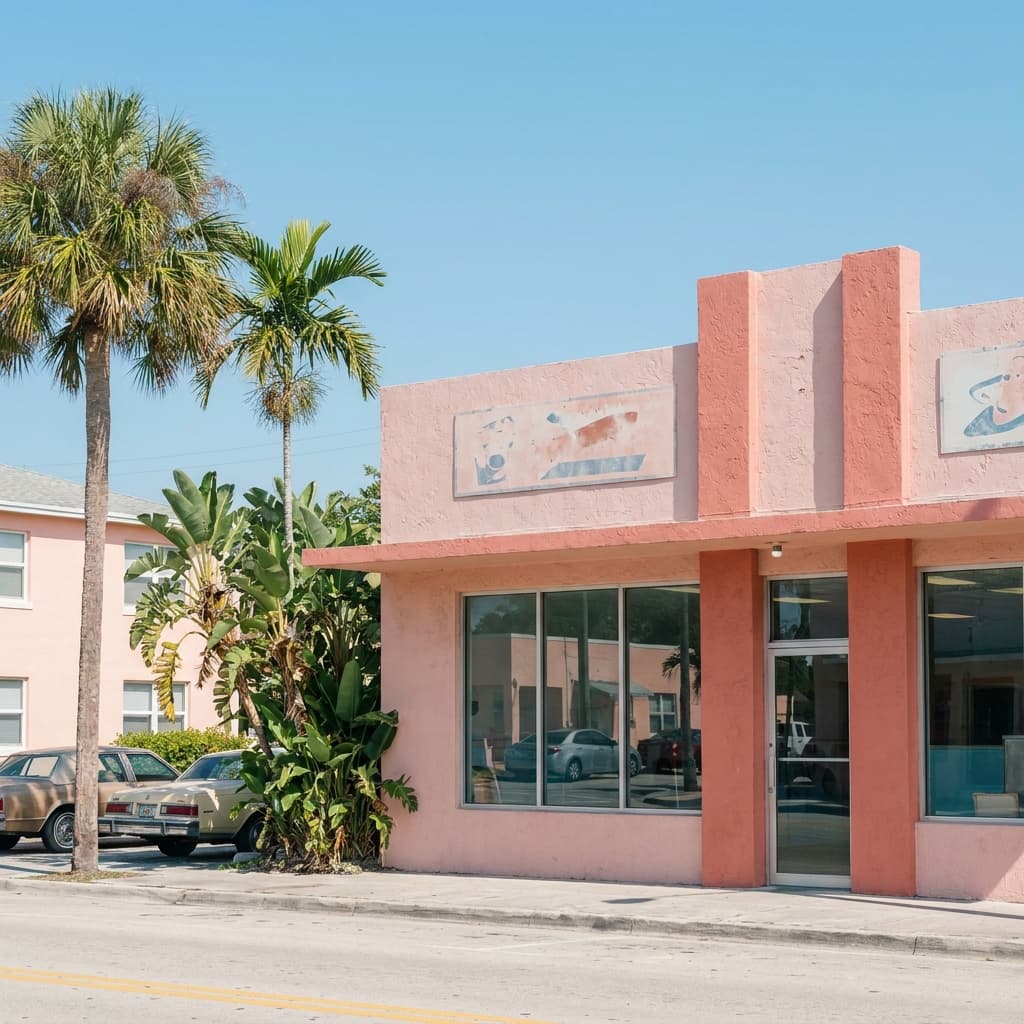
Florida's growing, renter-heavy metros make for steady laundromat demand, concentrated around Miami, Tampa, Orlando, and Jacksonville. Population growth and a large rental population keep usage strong, while the fundamentals, the lease, verified revenue, and equipment, decide whether a specific store is a good buy. This guide covers the essentials for a buyer in Florida.
Contents
- The Florida market
- Where the demand is
- What to check in Florida
- Financing and costs
- Florida permits and insurance
- A worked example
- Where to look
The Florida market
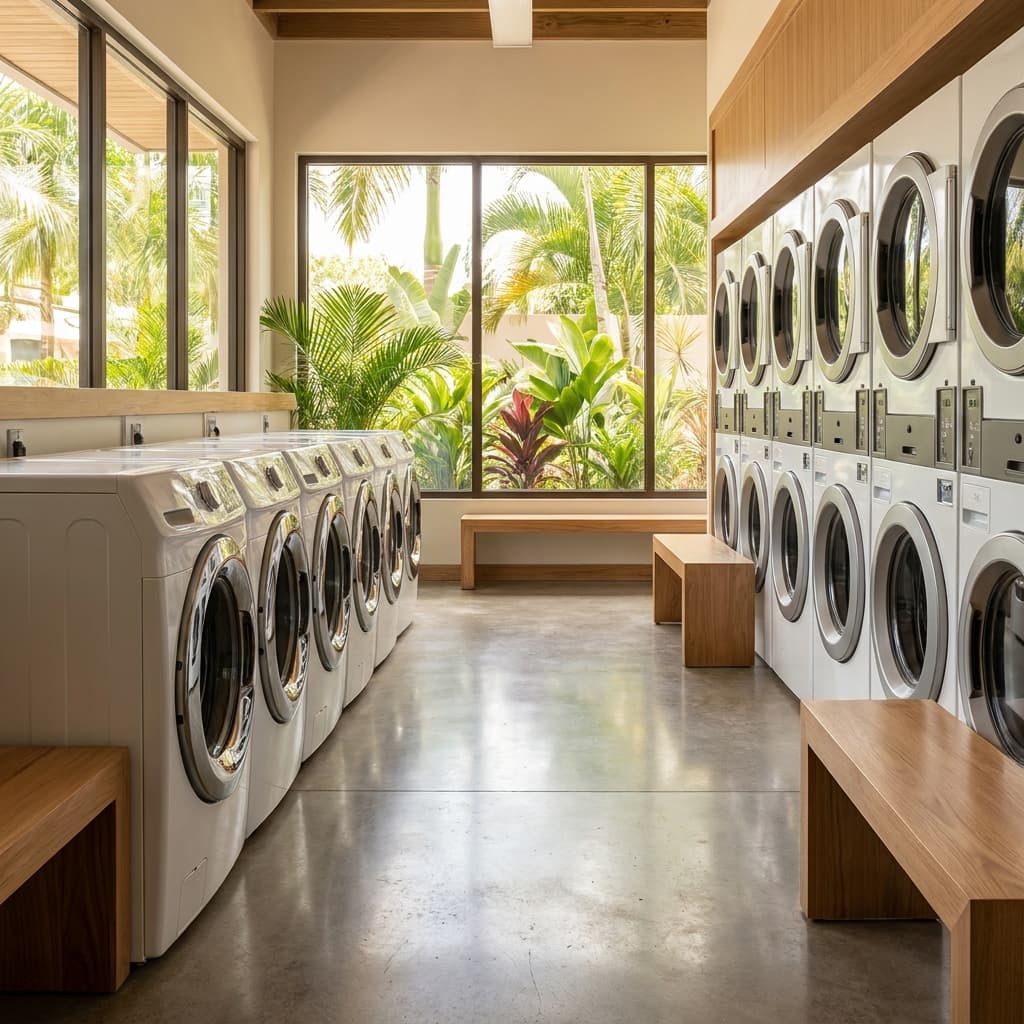
Population growth and large rental populations support demand across the state, and a steady stream of new residents keeps adding customers. Operating costs sit between the coasts and the lower-cost interior states, so margins depend heavily on the specific lease and utilities. Florida's warm climate and tourism economy also support consistent year-round usage in many markets.
Where the demand is
Demand concentrates in the major metros.
| Metro | Why it matters |
|---|---|
| Miami | Dense and renter-heavy with strong demand |
| Tampa | A growing metro with steady demand |
| Orlando | Population growth and a large service workforce |
| Jacksonville | A large, relatively affordable, growing market |
What to check in Florida
Verify revenue against water usage as in how to verify a laundromat's revenue, read the lease, and inspect the equipment. Confirm the water and sewer costs and local permits, which vary by city and county. The red flags guide shows what should slow you down.
Financing and costs
Many buyers use an SBA loan and sometimes seller financing. Model your payments and return with the calculators, and plan for working capital beyond the price as in how much money you need to buy a laundromat.
Florida permits and insurance
Beyond the standard registrations and local permits, Florida buyers should pay particular attention to insurance. The state's exposure to hurricanes and storms makes property and business-interruption coverage especially important, and premiums can be higher than in lower-risk states, so get real quotes and fold them into your numbers. Confirm local permits and any sales-tax registration with local authorities, since requirements vary.
A worked example
Suppose a Tampa store collects $190,000 a year. After a reasonable lease, Florida utilities, and adequate storm-aware insurance, the margin is solid, but the insurance line is larger than a buyer might expect elsewhere. Building that real premium into the model, rather than assuming a low number, is what keeps the projection honest. Run it through the cash flow calculator before making an offer.
Where to look
Browse laundromats for sale in Florida, and add brokers and direct outreach as in how to find laundromats for sale. Work the due diligence checklist. The SBA offers general guidance, and the Insurance Information Institute is useful for understanding coverage in a storm-prone state.
Seasonality, tourism, and storms
Florida has a few characteristics worth weighing. Tourism and seasonal residents can lift demand in some markets, while storm season brings real risk that shapes both operations and insurance. A prudent Florida buyer plans for hurricane preparedness and carries adequate property and business-interruption coverage, since a major storm can close a store for a stretch. The warm climate supports steady year-round laundry use, but the storm exposure is the trade-off that makes insurance a bigger line here than in many states.
Florida utilities and equipment
Humidity and heat keep machines and air conditioning working hard in Florida, so equipment efficiency matters for both cost and comfort. Check the age and efficiency of the washers and dryers and review recent utility bills when you evaluate a store, since equipment efficiency and water costs shape the margin. Efficient, well-maintained equipment also handles the year-round volume that Florida's climate supports.
Common mistakes buying in Florida
The most common mistake is underbudgeting insurance, then being surprised when storm-aware coverage costs more than expected; get real quotes early and build them in. A second is ignoring flood and storm history for the specific location, which affects both insurance and operations. A third is the universal one: skipping diligence because the market looks busy. Verify revenue against water, read the lease, and inspect the equipment regardless of how strong the Florida story sounds.
Thinking ahead to resale
Buy with the eventual sale in mind. A long, assignable lease, efficient equipment, clean books, and a sensible insurance setup are what the next buyer will want, and they support a strong price when you exit. In a growing state like Florida, a well-run store with solid records can sell readily, so the terms you secure and the records you keep today are part of what you walk away with.
The bottom line
Florida offers steady, growing laundromat demand across several large metros, with the storm-and-insurance factor as its distinctive wrinkle. Do the same diligence you would anywhere, then weight insurance and storm risk appropriately, underwrite conservatively, and a Florida laundromat can be a resilient business. When you are ready to compare listings, the calculators and the due diligence checklist turn the search into numbers you can act on.
Financing a Florida purchase
Florida prices sit between the coasts and the lower-cost interior, so plan your down payment and working capital accordingly. Many buyers use an SBA loan, sometimes with seller financing, and should fold the higher insurance premiums common in storm-prone areas into the cash-flow model before committing. Model the payment against verified earnings with the SBA loan calculator so the debt service stays comfortable even after a realistic insurance line.
Verify before you commit
The path in Florida is the same as anywhere: confirm trailing revenue against water usage, read the lease, inspect the equipment, and check local permits and insurance. A store whose numbers do not reconcile to its water bills, or whose insurance picture is unclear, deserves extra scrutiny before you proceed. Disciplined diligence is what turns Florida's steady demand into a deal you can stand behind.
Frequently asked questions
Is Florida good for buying a laundromat?
Yes, demand is steady thanks to population growth and large renter populations, especially in Miami, Tampa, Orlando, and Jacksonville.
What is different about buying in Florida?
Insurance deserves extra attention because of hurricane and storm exposure; property and business-interruption premiums can be higher, so get real quotes and budget for them.
Which Florida cities are most active?
Miami, Tampa, Orlando, and Jacksonville have the most laundromat activity.
What should I check when buying in Florida?
Verified revenue against water usage, the lease, equipment condition, local permits, and adequate storm-aware insurance.
How does insurance affect Florida laundromat margins?
Higher premiums in storm-prone areas can be a meaningful expense line, so build a real insurance cost into your projections rather than an average.