Lease vs Own: Should You Buy the Real Estate With Your Laundromat?
SudsList Editorial · Jun 26, 2026
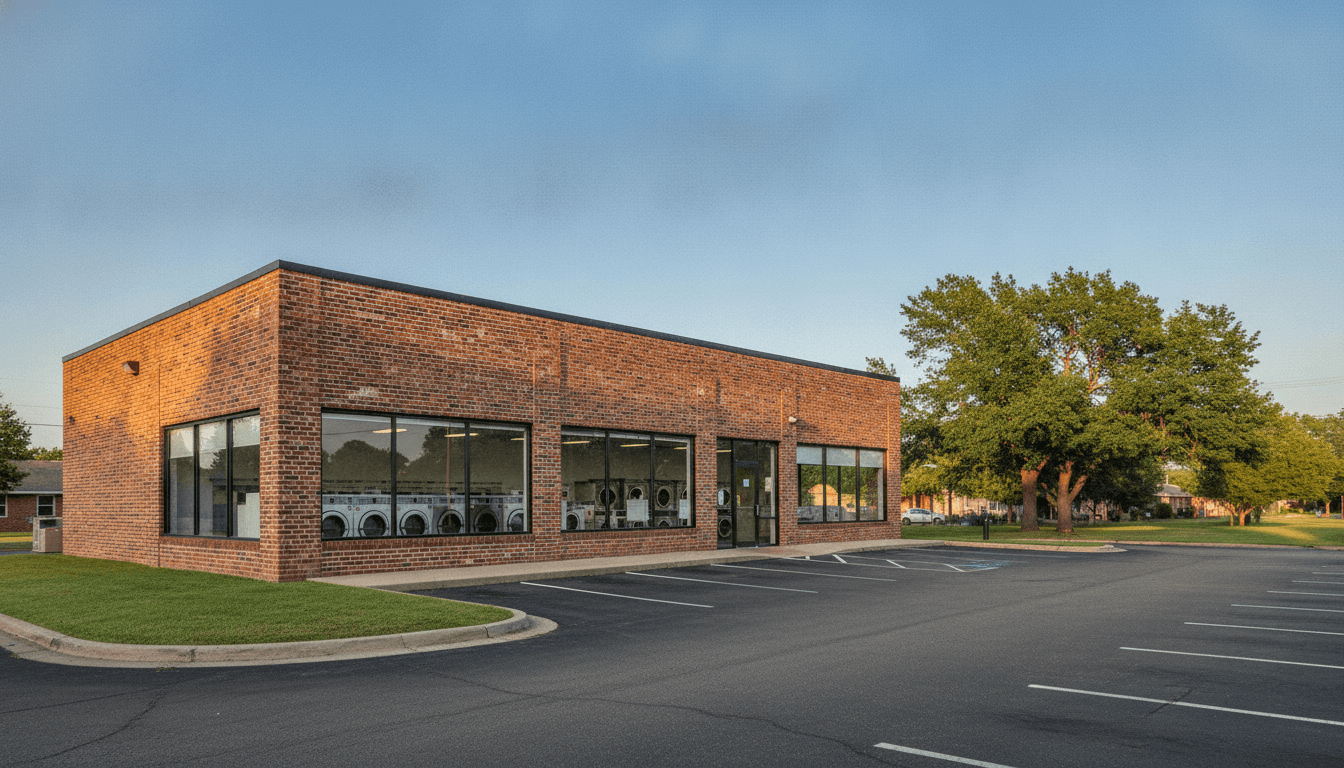
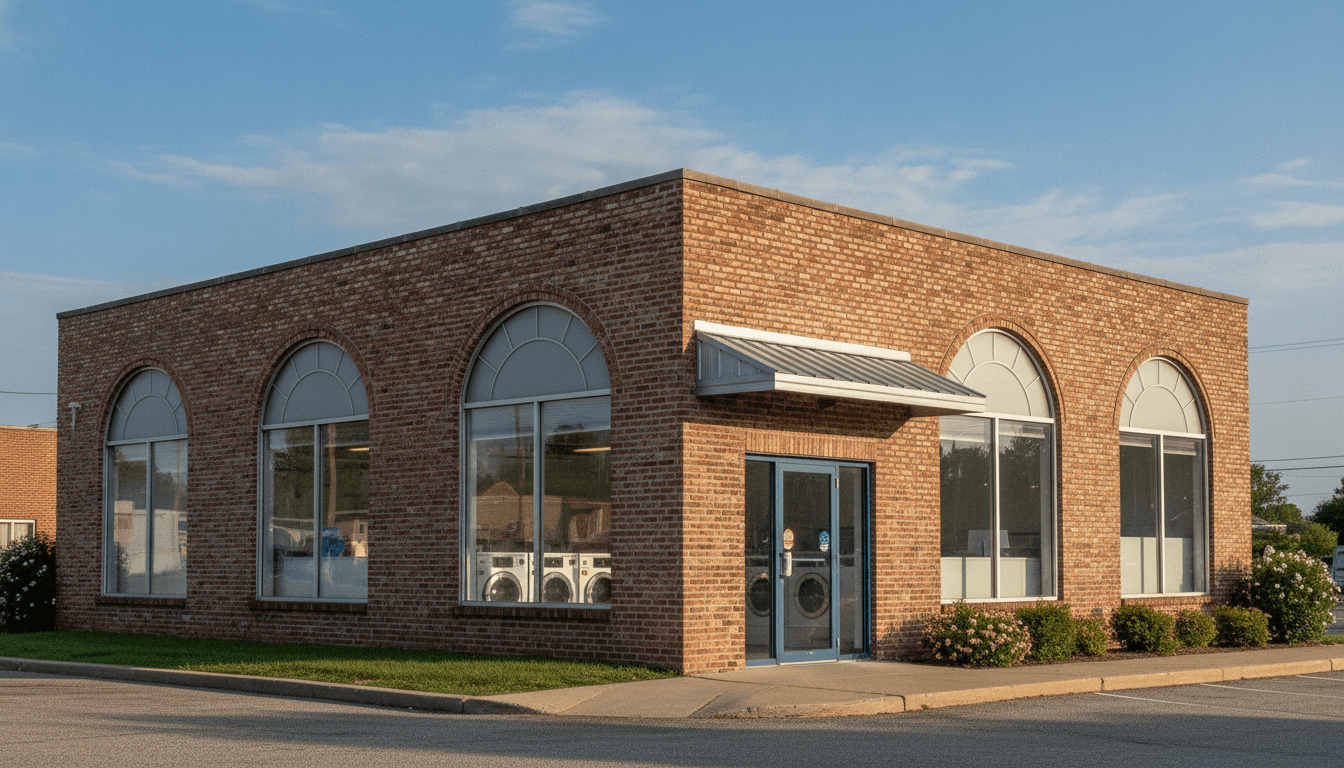
Most laundromats are leased rather than owned, and for many buyers leasing is the right choice because it lowers the cash needed to get in. But when a laundromat is sold with the real estate, owning the building removes the single biggest risk in the business: the landlord. The decision between leasing a laundromat space and buying the property comes down to how much capital you have, how much you value control, and the terms in front of you. This guide lays out both sides, the financing and tax differences, and how to decide.
Key takeaways
- Most laundromats operate on a lease; owning the underlying real estate is a separate, less common option that some sales include.
- Leasing lowers your up-front cost and keeps capital free, but leaves your business exposed to rent increases and lease expiration.
- Owning the building eliminates landlord risk, builds equity, and lets you control rent, at the cost of a much larger investment.
- Ownership changes your financing: real estate can be funded with longer-term, often SBA-backed loans separate from the business itself.
- If you lease, the lease terms are the most important document in the deal; if you buy, the property's value and condition become part of due diligence.
In this guide
- Do most laundromat buyers own or lease the building?
- Lease vs own at a glance
- What are the advantages of leasing?
- What are the advantages of owning the real estate?
- How does owning the property change financing?
- What are the tax differences?
- A worked example: lease vs own
- What are the risks of owning the real estate?
- How do you decide?
Do most laundromat buyers own or lease the building?
Most buy the business and lease the space. The typical laundromat sits in a leased unit in a strip center or standalone building owned by a separate landlord, and the sale transfers the equipment, the customer base, and the right to operate, with the lease assigned to the buyer. Buying the real estate as well is the exception, and it only arises when the seller happens to own the property and is willing to sell it.
That makes the lease the default reality for most buyers. It also makes the lease, not the equipment, the document that most often makes or breaks a deal, which is why reviewing the lease carefully is non-negotiable when you do not own the building.
Lease vs own at a glance
Leasing minimizes capital and keeps you flexible; owning maximizes control and builds equity but ties up far more money. The table below compares the two across the factors that decide it.
| Factor | Lease the space | Own the real estate |
|---|---|---|
| Up-front capital | Lower (business only) | Much higher (business + property) |
| Occupancy cost | Rent, which can rise | You set it, or pay none |
| Main risk | Lease expiry, rent increases | Landlord risk removed |
| Equity | None in the property | Builds equity, possible appreciation |
| Flexibility | Easier to exit | Less liquid, harder to sell |
| Financing | Business loan | Business + real-estate loan (longer term) |
| Added due diligence | Lease terms | Property condition, environmental, appraisal |
Use the table to see which column fits your capital and goals, then pressure-test the specific lease or property in front of you.
What are the advantages of leasing?
Leasing lowers the amount of cash you need to get into the business and keeps your capital working in the operation rather than tied up in property. For a first-time buyer especially, that lower barrier is the main appeal.
The advantages are concrete:
- Less capital required. You buy the business, not a building, so your entry cost is far lower, an important factor in how much money you need to buy a laundromat.
- Flexibility. If the location underperforms or you want to exit, walking away from a lease is simpler than selling real estate.
- The landlord handles the structure. Major building repairs may be the landlord's responsibility, depending on the lease.
The trade-off is exposure. You face rent increases, the lease can expire, and you build no equity in the property. Your security rests entirely on the lease term and renewal options.
What are the advantages of owning the real estate?
Owning the building removes the landlord from the equation, which eliminates the biggest structural risk a laundromat faces. A leased store can be destroyed by a rent spike or a non-renewal; an owned store cannot.
Ownership offers:
- Control over occupancy cost. You set your own rent, or pay none, so the largest variable expense is in your hands.
- No expiration risk. The business cannot be ended by a landlord refusing to renew.
- Equity and a second asset. You build equity in the property and may benefit from appreciation over time.
- A future income stream. If you later sell or relocate the business, you can keep the building and lease it out.
The cost is capital. Buying the property can multiply the total purchase price, and the money tied up in real estate is money not available for the business or for reserves.
How does owning the property change financing?
It splits the deal into two financeable assets, often on different terms. The business and the real estate can be funded together or separately, and real estate typically supports longer repayment and sometimes better rates because the property is collateral.
Government-backed lending is common here. The U.S. Small Business Administration's loan programs are frequently used to finance laundromat purchases, and SBA real-estate-backed loans can carry longer terms than equipment or business-only loans. Because real-estate loans are sensitive to interest rates, the borrowing environment matters; the U.S. Federal Reserve's interest-rate data is a reasonable way to track it. Our guide to financing a laundromat with an SBA loan covers eligibility and structure. Owning the real estate also adds property due diligence, including the building's condition, environmental considerations, and an independent appraisal, on top of the usual business due diligence.
What are the tax differences?
The main difference is that owning real estate adds depreciation and property-related deductions, while leasing makes rent a straightforward operating expense. An owner can generally depreciate the building over time and deduct mortgage interest, which can improve after-tax cash flow; a tenant simply deducts rent.
The specifics depend on your situation and current law, so treat any tax benefit as a reason to consult a professional rather than a number to assume. The IRS outlines how commercial real estate is depreciated and how business expenses like rent and interest are treated. The practical point is that ownership brings tax complexity and potential benefits that a lease does not, and you should price those with a qualified advisor, not from a rule of thumb.
A worked example: lease vs own
Suppose a laundromat business is priced at $400,000, and the seller also owns the building, offered at an additional $500,000.
Leasing path: You buy the business for $400,000 and sign or assume a lease at, say, $4,500 a month. Your entry cost is lower, but rent is a permanent expense that can rise, and your security depends on the lease term.
Owning path: You buy both for $900,000. Your up-front capital and financing more than double, but you pay no rent to a third party, you build equity, and the landlord risk disappears. The roughly $54,000 a year you would have paid in rent now services your property loan and builds your own asset instead of someone else's.
For a buyer with the capital and a long horizon, owning can be the stronger position because it converts rent into equity and locks in the location. For a buyer who is capital-constrained or wants flexibility, leasing gets them into a cash-flowing business for far less. Run both through the calculators before deciding.
What are the risks of owning the real estate?
Owning the building adds real risks that a tenant never carries, and they deserve as much weight as the benefits. When you own, every structural problem is yours: the roof, the parking lot, the plumbing, and any environmental issue tied to the property. A tenant can call the landlord; an owner writes the check.
The big risks to weigh:
- Capital concentration. A large sum is tied up in one property in one location, the opposite of a diversified investment.
- Illiquidity. Real estate can take months to sell, so if you need to exit quickly, the building can trap your capital.
- Property-specific liabilities. Older commercial sites can carry environmental or code issues; a proper inspection and, where warranted, an environmental review are essential before you buy.
- Local market risk. If the neighborhood declines, you are exposed both as the operator and as the property owner, a double hit a tenant does not face.
None of this argues against owning; it argues for buying the real estate as deliberately as you buy the business. Get an independent appraisal, inspect the building, and confirm the property is worth its price on its own merits, separate from the laundromat's cash flow. The goal is to own an asset that would hold value even if you later moved the business out, not to overpay for a building because you like the store inside it.
How do you decide?
Decide based on your available capital, your time horizon, and the quality of the alternatives. Owning makes the most sense when you have the capital, plan to hold for the long term, and the property is well-priced and in good condition. Leasing makes the most sense when capital is tight, you want flexibility, or the building is overpriced relative to its rent.
Either way, the structure you are buying should be valued on its own terms: value the business on its cash flow as our valuation guide describes, and value the real estate as real estate. Do not let an attractive business talk you into an overpriced building, or a cheap building distract you from a weak business. The Coin Laundry Association's resources are useful for benchmarking the business side. When you are comparing what is actually available, the listings note whether real estate is included.
Frequently asked questions
Do you have to buy the building to own a laundromat?
No. Most laundromats are sold as a business with the space leased from a separate landlord, and the lease is assigned to the buyer. Buying the underlying real estate is a separate, less common option that only arises when the seller owns the property and is willing to sell it too.
Is it better to lease or own a laundromat property?
It depends on your capital and horizon. Leasing lowers your entry cost and keeps you flexible but exposes you to rent increases and lease expiration. Owning costs far more up front but removes landlord risk, builds equity, and lets you control your occupancy cost. Buyers with capital and a long hold often favor owning.
How does buying the real estate change laundromat financing?
It splits the purchase into two financeable assets. The real estate can often be funded with longer-term, sometimes SBA-backed loans because the property serves as collateral, while the business is financed separately. Owning also adds property due diligence such as an appraisal, building condition, and environmental review.
What is the biggest risk of leasing a laundromat?
The lease itself. Rent can rise, and the lease can expire with no obligation on the landlord to renew, which can end an equipment-heavy business overnight. That is why, when you lease, the remaining term, renewal options, and rent escalations are the most important terms to confirm before buying.
Does owning the laundromat building offer tax advantages?
Commercial real estate is generally subject to depreciation and other tax treatment that can benefit an owner, and the IRS outlines how that works. The specifics depend on your situation, so confirm them with a qualified tax professional rather than assuming a benefit applies to your purchase.