Buying a Laundromat in Alabama
SudsList Editorial · Jul 27, 2026
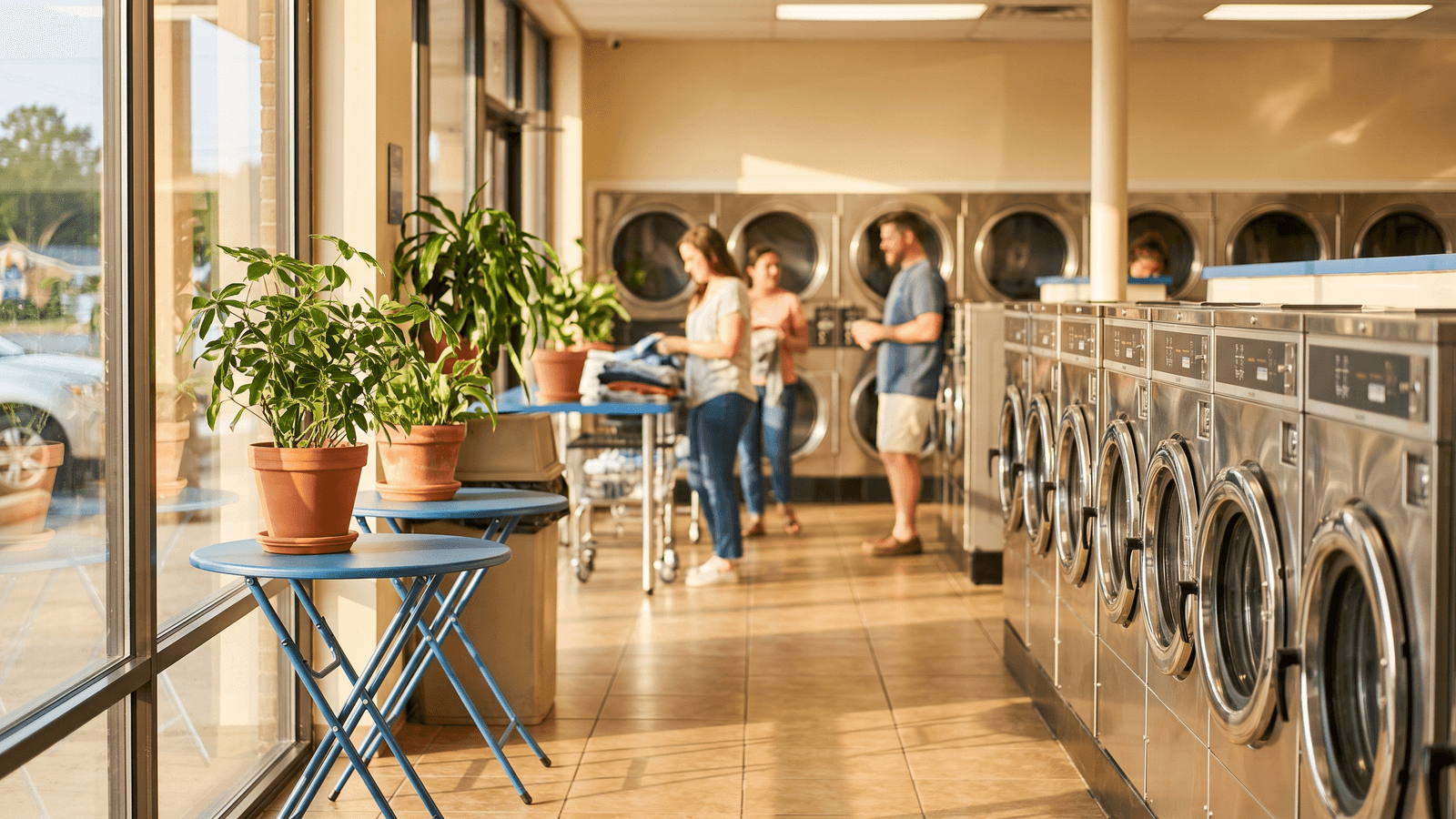
Buying a laundromat in Alabama tends to be more affordable than in coastal or high-cost states, with lower rents and operating costs that can widen your margins. The state has steady renter demand in metros like Birmingham, Huntsville, Montgomery, and Mobile, plus a fast-growing tech and aerospace economy around Huntsville. Most deals are small businesses priced on seller's discretionary earnings (SDE), so your job is to verify real cash flow, equipment condition, and the lease. Expect a hands-on, numbers-driven process. Confirm every tax, permit, and zoning detail with a CPA, attorney, and local agencies before you buy.
Contents
- The Alabama market
- Where the demand is
- What to check in Alabama
- Financing and costs
- Alabama permits and rules
- A worked example
- Where to look
The Alabama market
Alabama offers a favorable cost structure for laundromat buyers. Rents and utility costs generally run lower than in coastal states, and the renter base in urban neighborhoods keeps machines busy. That combination can support healthy margins if you buy at a fair multiple and run the store well. Because entry prices are often lower than in high-cost markets, first-time buyers frequently find their initial store here without stretching their budget. The tradeoff is that smaller markets can have thinner buyer and seller pools, so patience and a clear set of criteria pay off when you are comparing stores across different cities.
- Lower cost of entry. Purchase prices and rents in many Alabama markets sit below national averages, which can improve your return if revenue holds.
- Renter-driven demand. Apartment-heavy neighborhoods and multifamily housing near job centers create consistent walk-in traffic for well-placed stores.
- Growth pockets matter. Huntsville's tech and aerospace expansion is drawing new residents, and population growth supports laundry demand over time.
- Value on earnings. Most stores trade on SDE. Learn how to value a laundromat and run the numbers with the laundromat valuation calculator before you make an offer.
Where the demand is
Each major Alabama metro has its own demand drivers, so match the store to its neighborhood and renter base.
| Metro | Why it matters |
|---|---|
| Birmingham | The state's largest metro, with dense renter neighborhoods and steady urban laundry demand. |
| Huntsville | Fast tech and aerospace-driven growth is adding residents and new housing, supporting rising demand. |
| Montgomery | A stable state-capital economy with government and healthcare employment and a broad renter base. |
| Mobile | A Gulf Coast port city where the humid climate keeps drying demand high year-round. |
When you compare stores, weigh foot traffic, parking, and nearby housing density using what makes a great laundromat location.
What to check in Alabama
Run a disciplined review before you commit. Start with the due diligence checklist for laundromat buyers and dig into the specifics below.
- Utilities and water. Water and sewer are usually the biggest variable cost. Pull 12 to 24 months of bills and confirm rates with the local utility, especially for high-volume stores. Rising water rates can quietly erode margins, so check for any scheduled increases in the city or county.
- Equipment age and condition. Ask the make, model, and age of every washer and dryer. Aging machines mean repair bills and near-term replacement capital, and a store full of tired equipment should be priced accordingly. Newer high-efficiency machines can also lower water and energy use.
- The lease. Terms, remaining years, renewal options, and rent escalators can make or break a deal. A laundromat is only as valuable as its right to stay in place, so study reviewing a laundromat lease before you sign anything.
- Real revenue verification. Do not take gross income on faith. Reconcile collections against water usage, utility bills, and any bank deposits or vending records. Coin and card income can be hard to verify, so cross-check multiple sources before you trust a number.
- Competition and trade area. Map nearby laundromats and the renter population within a short drive to judge whether demand supports the store. A saturated corridor limits pricing power, while an underserved neighborhood can leave room to grow.
Financing and costs
Many Alabama laundromat purchases fit SBA financing, which can offer longer terms and modest down payments for qualified buyers. Build a full budget before you commit.
- SBA loans. SBA 7(a) financing is a common path for laundromat acquisitions because the collateral and steady cash flow appeal to lenders. Estimate payments with the SBA loan payment calculator and review options on the financing page.
- Down payment and reserves. Plan for a down payment plus working capital for repairs, deposits, and slow early months. A cushion protects you if collections dip while you learn the store.
- Rent as a share of revenue. Rent that eats too much of your income squeezes profit and limits what you can offer. Test the ratio with the rent-to-revenue calculator before you commit.
- Equipment reserves. Set aside capital for the washers and dryers most likely to fail first, since a single major breakdown can dent monthly income.
- Utility exposure. In humid Gulf markets like Mobile, dryers run hard and longer drying cycles add up, so factor gas and electric costs into your model rather than assuming statewide averages.
Before you make an offer, stress-test the whole deal with the deal analyzer and confirm earnings with the SDE calculator.
Alabama permits and rules
Requirements vary by city and county, so confirm everything with local agencies, the Alabama Department of Revenue, and your own advisors before closing.
- Business licensing. Alabama municipalities and counties commonly require a local business license, and you may need to register with state and local tax authorities.
- Plumbing and building permits. Any equipment changes, plumbing work, or buildout typically needs permits and inspections from the local building department.
- Wastewater and water rules. High-volume laundries can face local water and sewer requirements, so check with the utility and any wastewater authority.
- Zoning, signage, and health. Confirm the use is properly zoned, that signage complies with local codes, and whether any health or safety rules apply to the site.
None of this is legal or tax advice. Confirm licensing, permits, and tax treatment with a CPA, an attorney, and the relevant local and state agencies.
A worked example
Here is an illustrative example, not a real quote. Say a store shows verified SDE of about $90,000 per year. At a 3.0x multiple the price is roughly $270,000, and at a 4.5x multiple it is roughly $405,000. That is a difference of $135,000 on the same earnings, which shows why the multiple matters as much as the income itself. The spread reflects real differences in the quality of the deal.
- Equipment. Newer, efficient machines justify a higher multiple. Aging equipment pushes the price toward the low end.
- Lease. Long remaining term, fair rent, and renewal options add value. Short or expensive leases subtract it.
- Location. Strong renter density and visibility support a premium. Weak trade areas do not.
- Books. Clean, verifiable records raise buyer confidence and the multiple. Thin records lower both.
Run your own version with the valuation calculator, the SDE calculator, and the SBA loan payment calculator. These numbers are illustrative only, so build your model from the store's actual figures.
Where to look
Once you know your budget and target metro, put a repeatable search in motion.
- Browse listings. Start with active laundromat listings and filter for Birmingham, Huntsville, Montgomery, and Mobile.
- Set alerts. Create listing alerts so new Alabama stores reach you before they get competitive.
- Follow a process. Use the buyers roadmap and how to buy a laundromat to move from search to closing.
Alabama's lower costs and steady renter demand make it a practical place to buy your first or next laundromat. Do the diligence, confirm the local rules, and let the numbers guide your offer.
Frequently asked questions
Where is laundromat demand strongest in Alabama?
Demand concentrates in the major metros: Birmingham, Huntsville, Montgomery, and Mobile. Renter-heavy neighborhoods and multifamily housing drive walk-in traffic, and Huntsville's tech and aerospace growth is adding residents. Mobile's humid Gulf climate keeps drying demand strong year-round.
How are Alabama laundromats valued?
Most stores are valued on seller's discretionary earnings (SDE), commonly in a range of about 3.0x to 4.5x depending on equipment age, lease terms, location, and the quality of the books. Verified financials and newer machines push toward the higher end. Always confirm the actual numbers before making an offer.
Can I use an SBA loan to buy a laundromat in Alabama?
Yes, SBA 7(a) financing is a common path for laundromat acquisitions and can offer longer terms and modest down payments for qualified buyers. You will still need a down payment plus reserves for repairs and slow months. Confirm current terms and eligibility with a lender.
What permits and rules apply to Alabama laundromats?
Requirements vary by city and county and typically include a local business license, plumbing and building permits for any changes, and possible water or wastewater rules for high-volume stores. Zoning, signage, and health codes may also apply. Confirm everything with local agencies and your own advisors.
How is sales tax handled on an Alabama laundromat purchase?
Sales and use tax treatment on the business assets and on coin or card laundry services can vary, and Alabama has state plus local components. Because rules differ by jurisdiction and change over time, confirm the treatment with a CPA and the Alabama Department of Revenue. This is not tax advice.