Buying a Laundromat in Alaska
SudsList Editorial · Jul 27, 2026
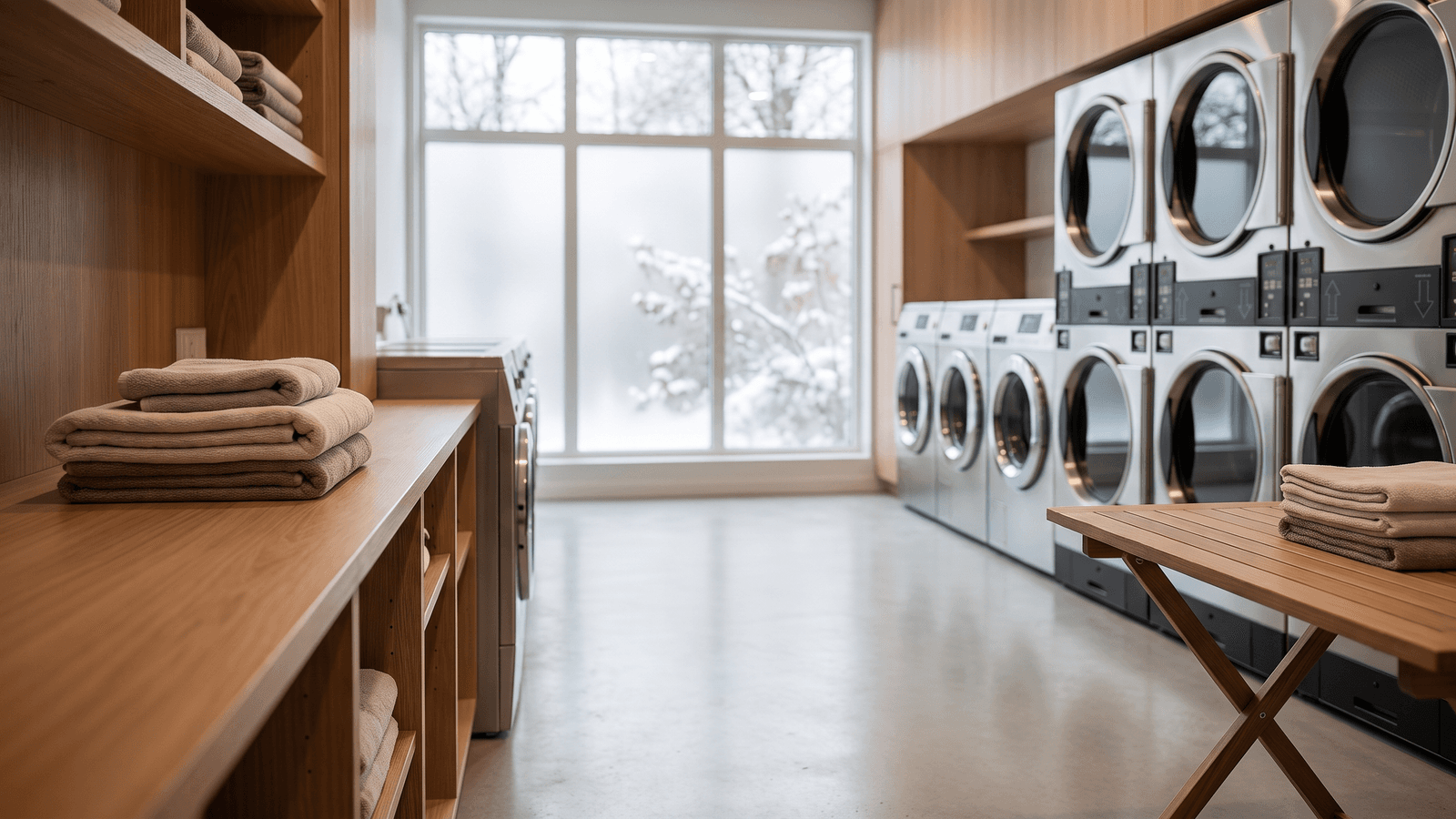
Buying a laundromat in Alaska means running a familiar cash-flow business inside an unusually challenging operating environment. Demand concentrates in Anchorage, Fairbanks, Juneau, and the growing Matanuska-Susitna (Wasilla) corridor, where renters and long, harsh winters keep indoor laundry busy year round. The tradeoffs are real, though: high heating and utility bills, expensive freight, and remote supply chains for equipment and parts. Alaska has no statewide sales tax, but some places (like Juneau) levy local sales taxes. Verify every number with a CPA, an attorney, and local agencies before you commit.
Contents - The Alaska market - Where the demand is - What to check in Alaska - Financing and costs - Alaska permits and rules - A worked example - Where to look
The Alaska market Alaska is a small, somewhat seasonal market where a handful of population centers drive most laundromat activity. That concentration can be an advantage: fewer stores compete for renter households, and winter reliably pushes people toward warm, indoor laundry. It also means costs run higher than in the Lower 48, so pricing your model carefully is essential. Because the state has far fewer laundromats than a comparably sized Lower 48 region, individual stores often serve a wider trade area, which can support healthy volume for the right location but also raises the stakes if a lease or a heating system goes wrong.
- Renter demand is steady. Apartment dwellers and multi-family housing in Anchorage and Fairbanks provide a consistent base of customers who lack in-unit machines.
- Winter boosts volume. Long, cold seasons increase reliance on indoor laundry and can smooth out demand for well-located stores.
- Costs shape value. Heating, electricity, water, and freight all run high, so a store's expenses matter as much as its top-line revenue. Learn the fundamentals in how to value a laundromat.
- Freight defines logistics. Remote supply chains for equipment, parts, and chemicals mean longer lead times and higher shipping, so factor delivery realities into every operating plan.
- Model before you offer. Run the numbers through the laundromat valuation calculator so your price reflects real Alaska operating costs, not Lower 48 assumptions.
Where the demand is Most buyer interest clusters around a few metros and the road-system communities that surround them.
| Metro | Why it matters |
|---|---|
| Anchorage | Largest population center with the deepest renter base and the most laundromats. |
| Fairbanks | Interior hub with cold winters and a steady multi-family and military-adjacent population. |
| Juneau | Capital city with limited road access, a captive market, and a local sales tax to account for. |
| Matanuska-Susitna (Wasilla) | Fast-growing borough where commuter and family households expand the trade area. |
Screen each opportunity against what makes a great laundromat location, since parking, visibility, and renter density matter more than raw city size.
What to check in Alaska Due diligence in Alaska looks like it does anywhere, with a few local twists worth extra attention. Start with the due diligence checklist for laundromat buyers and then dig into these state-specific items.
- Utilities and heating. Ask for at least 12 months of electric, gas or oil, water, and sewer bills. Heating a large space through an Alaska winter is a major cost, so understand how it swings seasonally.
- Equipment age and parts availability. Older machines are common, and getting parts to Alaska can take longer and cost more. Confirm the make, model, and age of every washer and dryer and ask how repairs have been handled.
- The lease. A remote location with a weak lease is a risk. Read reviewing a laundromat lease and confirm the remaining term, renewal options, rent escalators, and who is responsible for heating and building systems.
- Real revenue verification. Do not take a seller's word on collections. Match stated revenue to bank deposits, utility usage, and any machine or card-system reports over a full year.
- Competition and trade area. Map nearby stores and the renter households within a realistic driving radius, remembering that winter travel patterns can shrink how far customers will go.
- Attended versus unattended. Ask whether the store is staffed, drop-off wash-and-fold is offered, and how that labor affects both revenue and expenses in an Alaska wage environment.
Financing and costs Many Alaska laundromat purchases fit SBA financing, which often suits owner-operated small businesses with verifiable cash flow. Lenders will want clean books, a defensible valuation, and a lease that outlasts the loan.
- Estimate the payment. Use the SBA loan payment calculator to see how different prices and rates affect your monthly debt service.
- Understand your options. The financing page walks through common structures, including SBA loans and seller financing.
- Watch the rent ratio. High utility costs leave less room for rent, so run the rent-to-revenue calculator to keep occupancy costs sustainable.
- Budget for freight and repairs. Build a reserve for equipment parts, shipping, and winter heating spikes, which can be larger and less predictable than in warmer states.
- Price in seasonality. A somewhat seasonal market means cash flow may not be perfectly even month to month, so plan working capital accordingly.
Pressure-test the whole deal with the deal analyzer and confirm true owner earnings using the SDE calculator.
Alaska permits and rules Requirements vary by borough and city, and Alaska has boroughs and unincorporated areas rather than a uniform county structure. Confirm everything with the relevant local agencies before you close.
- Business licensing. Alaska requires a state business license, and some municipalities add their own registration or license, so check both state and local requirements.
- Plumbing and building permits. Any changes to plumbing, gas, electrical, or heating systems typically need permits and inspections, which matter given the heavy utility infrastructure a laundromat uses.
- Wastewater and water rules. Confirm how the property connects to municipal water and sewer or an approved alternative, since discharge and water-use rules can affect operations.
- Zoning, signage, and health. Verify the use is permitted at the address, check signage limits, and ask whether any local health or attended-service rules apply.
None of this is legal or tax advice. Confirm licensing, permits, and sales-tax treatment with a qualified attorney, a CPA, and the appropriate state and local agencies.
A worked example Here is an illustrative example, not a quote or a real listing. Say a store shows seller's discretionary earnings (SDE) of roughly $80,000 to $95,000 per year after you verify the books. At a common multiple range, a price near 3.0x SDE on $85,000 lands around $255,000, while 4.5x on that same figure lands around $382,500.
The spread reflects risk and quality. A store priced closer to 3.0x might have older equipment, a short lease, or higher heating exposure, while one nearer 4.5x might have newer machines, a long lease, and clean, verifiable revenue. In a market where a replacement dryer or a control board can take longer and cost more to ship north, equipment condition and parts availability weigh heavily on where a store lands in that range. Rework the same store through the valuation calculator, confirm earnings with the SDE calculator, and test the monthly payment with the SBA loan payment calculator. These numbers are illustrative only, so build your own from real Alaska bills.
Where to look When you are ready to shop, keep your search organized and patient.
- Browse current inventory. Start with laundromat listings and filter for Alaska to see what is available in Anchorage, Fairbanks, Juneau, and the Mat-Su area.
- Set alerts. New listings are infrequent in a small market, so create alerts and check back often rather than waiting for the perfect store to appear.
- Follow a process. Work through the buyers roadmap and read how to buy a laundromat so you evaluate each opportunity consistently.
Alaska rewards buyers who respect its cost structure and verify everything locally. Move deliberately, model the utility bills honestly, and lean on trusted local advisors before you sign.
Frequently asked questions
Where is laundromat demand strongest in Alaska?
Demand concentrates in Anchorage, the state's largest population and renter center, followed by Fairbanks in the interior. Juneau offers a captive capital-city market, and the Matanuska-Susitna (Wasilla) area is a fast-growing borough. Long, harsh winters keep indoor laundry busy across these communities.
How are Alaska laundromats valued?
Most are valued as a multiple of seller's discretionary earnings (SDE), commonly around 3.0x to 4.5x depending on equipment age, lease strength, and revenue quality. Alaska's high heating and utility costs make expense verification especially important. Confirm the multiple against real bills using a valuation calculator and a CPA.
Can I use an SBA loan to buy a laundromat in Alaska?
Yes, SBA financing often fits owner-operated laundromats with verifiable cash flow. Lenders will want clean books, a defensible valuation, and a lease that outlasts the loan. Estimate your monthly payment with an SBA loan calculator and confirm the rent-to-revenue ratio stays sustainable given high utility costs.
What permits and licenses does an Alaska laundromat need?
Alaska requires a state business license, and some municipalities add their own registration. Changes to plumbing, gas, electrical, or heating systems typically need permits and inspections. Requirements vary by borough and city, so confirm zoning, signage, and health rules with local agencies before closing.
Does Alaska charge sales tax on laundromat services?
Alaska has no statewide sales tax, but some local governments levy their own, such as Juneau. Whether laundry services are taxed depends on the specific municipality. Verify the local sales-tax treatment for your exact address with a CPA and the local government.