Buying a Laundromat in Arkansas
SudsList Editorial · Jul 27, 2026
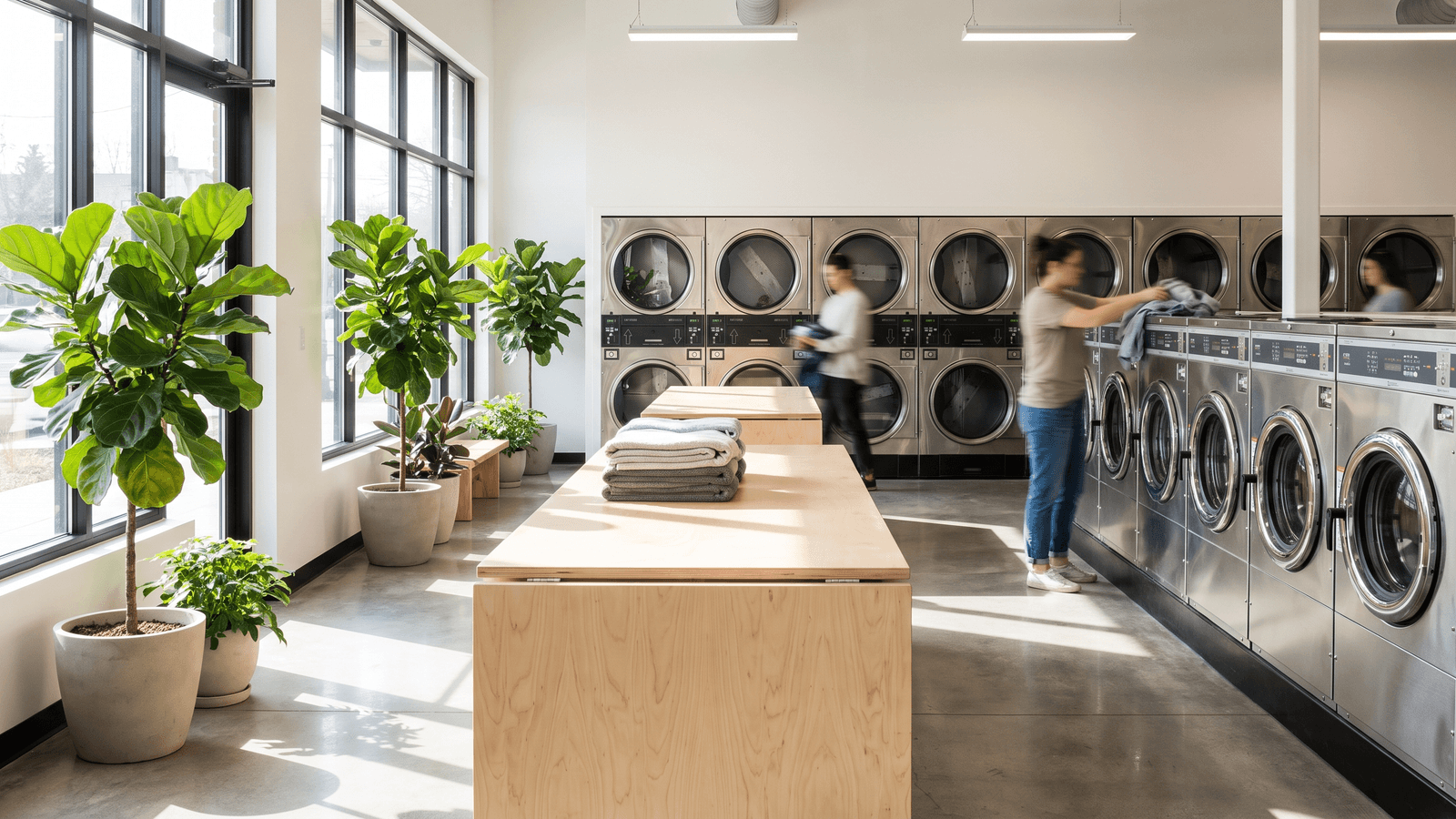
Buying a laundromat in Arkansas can be a practical way into small business ownership, largely because the state pairs low operating costs with steady rental demand. Rents and utilities tend to run below the national average, which helps margins in a business that lives and dies on water, gas, and space costs. Demand clusters around Little Rock, Northwest Arkansas, Fort Smith, and Jonesboro. Expect to pay based on real cash flow, usually a multiple of seller's discretionary earnings (SDE). Verify utilities, equipment age, and the lease before you commit, and confirm local rules with city and county agencies.
Contents - The Arkansas market - Where the demand is - What to check in Arkansas - Financing and costs - Arkansas permits and rules - A worked example - Where to look
The Arkansas market Arkansas is an affordable state to operate a laundromat, and that affordability is the core of the investment case. Lower rent and utility costs leave more room in the monthly budget, while a large renter population keeps machines busy. Because a laundromat is a mostly self-service business, an owner can run one alongside a full-time job or build a small route of stores over time. Still, affordability is not the same as easy money: the winners are the operators who buy the right store at the right price and keep equipment running. As always, price the business on verified cash flow rather than asking price, and use tools like the how to value a laundromat guide and the laundromat valuation calculator to sanity check any number.
- Low operating costs. Rents and utilities commonly sit below national averages, which supports healthier margins per store and gives new owners a cushion during slow stretches.
- Steady renter base. Little Rock and other metros carry sizable renter populations that rely on shared laundry, which smooths demand across the year.
- Growth corridor. Northwest Arkansas keeps adding jobs and residents, expanding the customer pool and supporting rents and resale values over time.
- Cash flow drives value. Most stores trade on a multiple of SDE, commonly in the 3.0x to 4.5x range depending on lease, equipment condition, and location strength.
Where the demand is Demand is not spread evenly across the state, so location choice matters as much as price.
| Metro | Why it matters |
|---|---|
| Little Rock | State capital with a large, stable renter base and consistent everyday laundry demand. |
| Northwest Arkansas (Fayetteville-Springdale-Rogers-Bentonville) | Strong population and job growth along the Walmart, Tyson, and JB Hunt corridor. |
| Fort Smith | Established regional hub with affordable real estate and steady working-class demand. |
| Jonesboro | Regional college and healthcare center that draws renters and students from a wide area. |
Before you commit to any trade area, review the what makes a great laundromat location guide to weigh renter density, parking, visibility, and nearby competition.
What to check in Arkansas Solid due diligence protects you from paying for revenue that is not really there. Sellers naturally present their store in the best light, so your job is to confirm every claim with independent records. Work through the due diligence checklist for laundromat buyers and pay close attention to the items below.
- Utilities and water. Water, sewer, and gas are the biggest recurring costs. Pull 12 to 24 months of bills, confirm the rates and meter setup, and watch for any pending rate increases from the local utility.
- Equipment age and condition. Ask the age, brand, and service history of every washer and dryer. Older machines can mean large near-term replacement costs and higher water and energy use per load.
- Lease terms. The lease can make or break the deal. Study the remaining term, renewal options, and scheduled increases, and use the reviewing a laundromat lease guide to spot clauses that could hurt you later.
- Real revenue verification. Match seller claims against bank deposits, utility usage, and coin or card system reports. If income cannot be documented, treat it as zero rather than paying for it.
- Competition and trade area. Map nearby laundromats and count machines to gauge how saturated the local market really is, and note whether new housing or apartments are being built nearby.
Financing and costs Laundromats often fit SBA financing well because they generate steady cash flow and include hard assets that lenders can value. An SBA 7(a) loan is a common route for buyers who lack the full purchase price in cash, and it can stretch payments over a longer term to protect monthly cash flow. Expect the lender to want clean books, a reasonable lease, and a buyer who can show relevant experience or a solid plan. Model the payment before you make an offer using the SBA loan payment calculator, and read the financing overview for lender expectations.
- Down payment. Plan for a meaningful buyer contribution, often around 10 to 20 percent depending on the lender, the deal, and your experience.
- Rent as a percentage of revenue. Keep occupancy cost in a healthy band, since a high rent relative to sales quietly erodes profit. Test it with the rent-to-revenue calculator.
- Reserve for equipment. Budget for machines that may need replacement soon after closing, and get quotes before you close so there are no surprises.
- Working capital. Hold cash for utilities, repairs, and slow weeks in the first few months while you learn the store.
Once you have the numbers, run the full picture through the deal analyzer and confirm your earnings figure with the SDE calculator.
Arkansas permits and rules Requirements vary by city and county in Arkansas, so confirm the specifics with your local agencies before you close. Treat the points below as a starting checklist, not a final list.
- Business licensing. Many Arkansas cities require a local business or privilege license, and you will register with the state for sales tax collection and reporting.
- Plumbing and building permits. Any buildout, added machines, or plumbing changes typically require permits and inspections before you can operate.
- Wastewater and water rules. Local utilities may enforce discharge limits, backflow prevention, or grease and lint standards for commercial laundry.
- Zoning, signage, and health. Verify the site is properly zoned for a laundromat, that signage meets code, and that any attached services such as wash-and-fold meet local health rules.
Confirm all of this with the relevant city, county, and state offices, because none of this is legal advice.
A worked example Here is an illustrative example using round numbers only. Suppose a store shows verified SDE between $80,000 and $95,000 per year. At a 3.0x multiple, that points to roughly $240,000 to $285,000. At a 4.5x multiple, the same earnings suggest roughly $360,000 to $427,500. The spread reflects real differences in quality: a long, favorable lease, newer machines, a strong trade area, and clean books push toward the high end, while a short lease, aging equipment, or shaky records pull toward the low end. Test your own figures with the valuation calculator, confirm earnings with the SDE calculator, and check debt service with the SBA loan payment calculator. These numbers are illustrative only.
Where to look Once you know your target metro and budget, put a simple search process in place.
- Browse active listings. Start by reviewing laundromat listings and filter for Arkansas markets that fit your plan.
- Set alerts. Save searches and set alerts so new Arkansas stores reach you quickly, since good deals move fast.
- Follow a process. Use the buyers roadmap and the how to buy a laundromat guide to move from browsing to a signed deal.
Arkansas rewards patient buyers who price on real cash flow and pick the right trade area. Take the time to compare several stores, walk each location at different times of day, and talk to a CPA and an attorney before you sign. Do the diligence, confirm local rules, and let the numbers, not the asking price, guide your offer.
Frequently asked questions
Where is laundromat demand strongest in Arkansas?
Demand concentrates in Little Rock, Northwest Arkansas (Fayetteville, Springdale, Rogers, and Bentonville), Fort Smith, and Jonesboro. Little Rock offers a large, stable renter base, while Northwest Arkansas benefits from strong job and population growth along the Walmart, Tyson, and JB Hunt corridor.
How are laundromats valued in Arkansas?
Most laundromats are priced on a multiple of seller's discretionary earnings (SDE), commonly in the 3.0x to 4.5x range. The multiple depends on lease quality, equipment age, location, and how well the revenue is documented. Always verify earnings before making an offer.
Can I use an SBA loan to buy an Arkansas laundromat?
Yes. Laundromats often fit SBA 7(a) financing because they produce steady cash flow and include hard assets. Buyers typically contribute a down payment of roughly 10 to 20 percent. Model the monthly payment and confirm lender requirements before you commit.
What permits and rules apply to Arkansas laundromats?
Requirements vary by city and county. You may need a local business or privilege license, plumbing and building permits for any changes, and compliance with local wastewater rules. Confirm zoning, signage, and health requirements with your local agencies, since none of this is legal advice.
How is sales tax treated for Arkansas laundromats?
Tax treatment can vary by service and locality, so confirm current rules with the Arkansas Department of Finance and Administration and a CPA. You will generally register with the state and follow its guidance on how coin and card laundry services are handled for sales tax.