Buying a Laundromat in Hawaii
SudsList Editorial · Jul 27, 2026
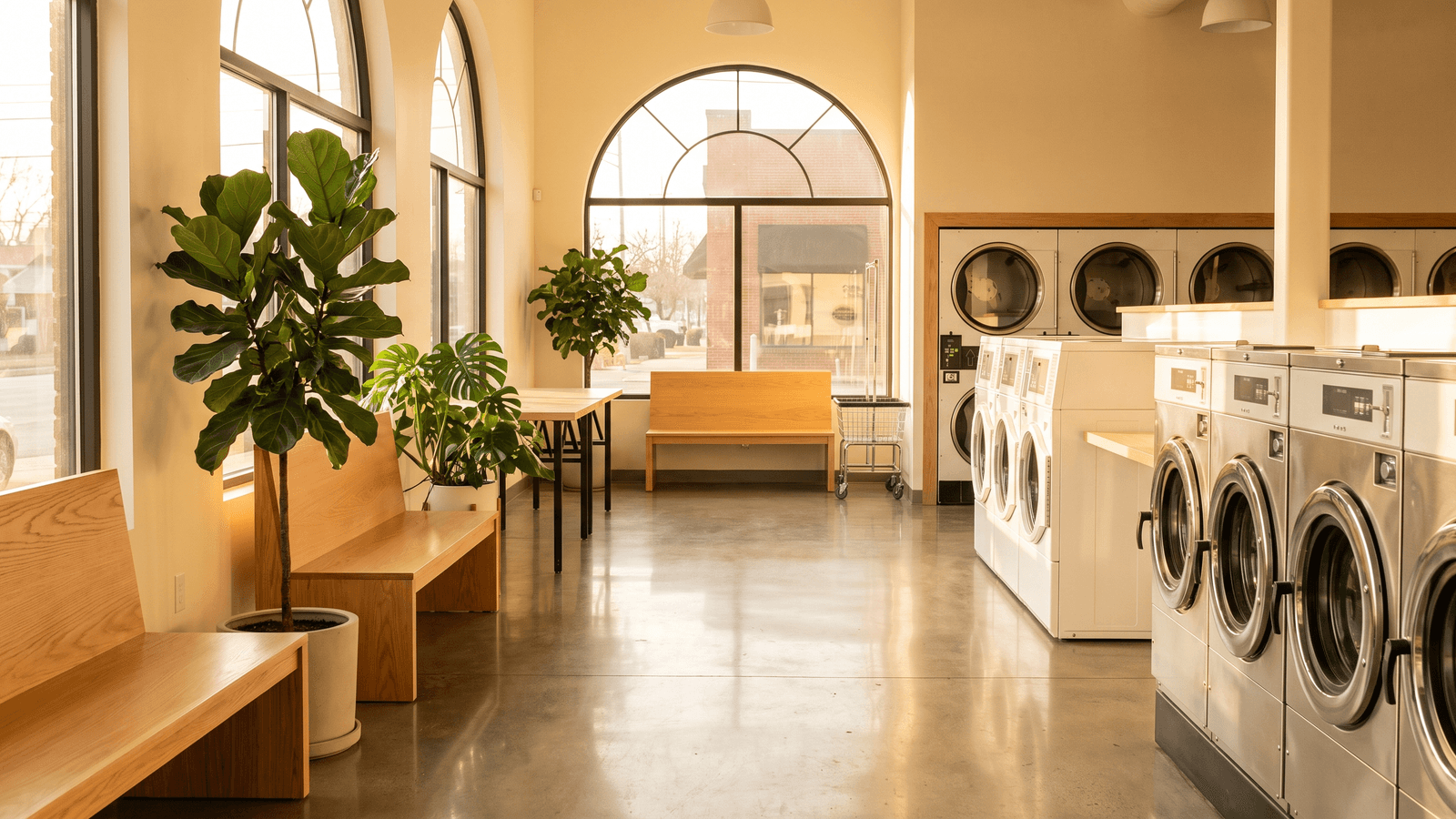
Buying a laundromat in Hawaii means underwriting one of the highest cost bases in the country. Electricity and water rank among the most expensive in the nation, and nearly every machine, part, and detergent shipment arrives by ocean freight, which lengthens lead times and raises replacement costs. On the demand side, dense renter populations in Honolulu, plus tourism and military housing, keep vend laundry busy. The path is straightforward: verify real revenue and utility bills, model conservatively, and confirm tax treatment (including the Hawaii general excise tax) with a local CPA before you sign anything. Get those inputs right and an island store can be a durable, cash-generating asset.
Contents - The Hawaii market - Where the demand is - What to check in Hawaii - Financing and costs - Hawaii permits and rules - A worked example - Where to look
The Hawaii market Hawaii is a small, island-bound market where fundamentals cut both ways. Renter density supports steady vend volume, but the cost structure is unlike the mainland, so pricing a deal takes care. Inventory is thin because there are relatively few stores across the islands, which means good locations rarely sit on the market and buyers should be ready to move when one appears. At the same time, the same scarcity limits your ability to comparison shop, so your underwriting has to stand on its own numbers rather than a deep pool of comparable sales. Learn the basics of how to value a laundromat and run scenarios in the laundromat valuation calculator before you commit.
- Utilities dominate the model. Electricity and water costs are among the highest in the nation, so gas versus electric drying and machine efficiency move net income more here than almost anywhere else.
- Island logistics add friction. Replacement machines, parts, and even detergent arrive by ocean freight, which stretches repair timelines and inflates capital costs versus a mainland store.
- Rent and land are expensive. Commercial space commands premium rents in urban Oahu, so the rent-to-revenue ratio deserves close scrutiny.
- Renter base is durable. Condo and apartment living with limited in-unit laundry keeps a reliable stream of customers, especially in Honolulu, where a large share of housing is multi-unit and hookups are uncommon.
Where the demand is Demand concentrates around dense housing, visitor traffic, and military communities across the islands.
| Area | Why it matters |
|---|---|
| Honolulu and urban Oahu (Pearl City, Kapolei) | Highest population density, many renters without in-unit laundry, strongest year-round vend volume |
| Big Island (Hilo and Kailua-Kona) | Two distinct trade areas, mixed residential and visitor demand, fewer competitors per neighborhood |
| Maui (Kahului) | Central hub for a tourism-heavy island, seasonal swings, seasonal worker and visitor laundry |
| Military and second-island notes | Bases and off-base housing on Oahu add steady demand; outer-island stores can serve underbuilt trade areas |
Each island is really its own market, so a store that works in Kahului will not have the same trade area as one in Hilo. Pay attention to whether the location serves permanent residents, seasonal workers, visitors, or a mix, because that shapes both volume and how sensitive the business is to tourism cycles. When you compare candidates, weigh foot traffic and parking against competition using what makes a great laundromat location.
What to check in Hawaii Diligence protects you from overpaying, so work through a structured due diligence checklist for laundromat buyers and pull real documentation.
- Electricity and water costs. Request 24 months of utility bills. High rates make efficiency and metering assumptions the single most important variable in your model.
- Equipment age and parts lead times. Note the age and brand of every washer and dryer, then estimate shipping lead times for parts and replacements, which run longer than on the mainland.
- The lease. Term, renewal options, rent escalators, and who pays for utilities and repairs all matter. Review terms carefully with reviewing a laundromat lease before you rely on projected cash flow.
- Real revenue verification. Reconcile seller claims against utility usage, bank deposits, and any coin or card system reports. Water and power consumption are hard numbers to fake.
- Competition and trade area. Map nearby stores, apartment complexes, and drive times so you understand the true catchment for the location.
Financing and costs Many Hawaii laundromat purchases fit the SBA 7(a) profile, since the business has cash flow and some equipment collateral. Model payments with the SBA loan payment calculator and review options on the financing page.
- Down payment. Expect a meaningful equity injection, commonly in the range lenders ask for on cash-flowing small businesses.
- Rent-to-revenue. Island rents are high, so pressure-test this ratio with the rent-to-revenue calculator before you assume a store is healthy.
- Utility reserve. Budget for high recurring power and water bills, plus a buffer for freight-delayed repairs.
- Reinvestment. Older stores may need efficient machines to control energy costs, so plan capital for upgrades over the first few years.
- Freight and repair buffer. Because parts and machines ship by ocean, a breakdown can idle a bank of washers longer than on the mainland, so carry working capital to cover slow repair windows.
Pull it together in the deal analyzer and confirm owner earnings with the SDE calculator.
Hawaii permits and rules Hawaii governs at the county level (Honolulu, Hawaii, Maui, and Kauai counties), so requirements vary by location. Confirm specifics with your county and state agencies before closing.
- Business licensing and GET. Register the business and understand the Hawaii general excise tax (GET), which applies broadly to business activity. Confirm exact treatment and filing with a Hawaii CPA.
- Plumbing and building permits. Any machine reconfiguration or buildout typically requires county plumbing and building permits.
- Wastewater and water rules. Water supply and wastewater discharge may be regulated by county utilities, so verify connection and discharge requirements.
- Zoning, signage, and health. Confirm the use is properly zoned, that signage complies with local code, and that any attended or vend services meet county rules.
None of this is legal advice, so confirm licensing, tax, and permitting with your attorney, CPA, and the relevant county agencies.
A worked example Suppose diligence supports seller's discretionary earnings (SDE) of roughly $90,000 to $110,000 per year. At a common multiple of 3.0x, a $100,000 SDE store points to about $300,000. At 4.5x, the same earnings suggest about $450,000. That is a $150,000 gap on the same cash flow, which is why the multiple matters as much as the earnings. The spread reflects lease quality, equipment age, utility exposure, and how verifiable the revenue is. A store with a long lease, newer efficient machines, and clean books earns the higher end; one with an expiring lease or aging equipment sits lower. In Hawaii, utility exposure carries extra weight, since a store burning power on old dryers can see its real margin fall well short of the headline SDE once you normalize for rising energy costs. Test your own numbers in the valuation calculator, confirm earnings with the SDE calculator, and size debt with the SBA loan payment calculator. These figures are illustrative only.
Where to look - Browse laundromat listings and filter for Hawaii to see what is on the market across the islands. - Set alerts so new Hawaii listings reach you early, since inventory is thin and moves quickly. - Follow a repeatable process with the buyers roadmap and how to buy a laundromat.
Hawaii rewards buyers who underwrite the true cost of power, water, and freight rather than mainland assumptions. Do the diligence, confirm the tax picture with a local CPA, and a well-located island store can be a durable, cash-flowing business.
Frequently asked questions
Where is laundromat demand strongest in Hawaii?
Demand is strongest in Honolulu and urban Oahu, including Pearl City and Kapolei, where renter density is highest and many units lack in-unit laundry. The Big Island (Hilo and Kailua-Kona) and Maui (Kahului) also support stores, aided by tourism and military housing.
How are Hawaii laundromats valued?
Most are valued on a multiple of seller's discretionary earnings (SDE), commonly around 3.0x to 4.5x. The multiple depends on lease terms, equipment age, utility exposure, and how verifiable the revenue is. Hawaii's high power and water costs make utility diligence especially important.
Can I use an SBA loan to buy a laundromat in Hawaii?
Yes, many purchases fit the SBA 7(a) program because the business has cash flow and equipment collateral. Expect a meaningful down payment and be ready to document real revenue and utility costs. Model payments before you commit and compare financing options.
What permits and rules apply to Hawaii laundromats?
Requirements vary by county (Honolulu, Hawaii, Maui, and Kauai), so confirm with local agencies. Common items include business registration, plumbing and building permits for any buildout, wastewater and water connection rules, and zoning, signage, and health compliance.
How does the Hawaii general excise tax (GET) affect a laundromat?
Hawaii applies the general excise tax (GET) broadly to business activity, which differs from a typical sales tax. It can affect your effective margins and filing obligations. Confirm exact treatment, rates, and any county surcharge with a Hawaii CPA before you close.