Buying a Laundromat in Louisiana
SudsList Editorial · Jul 27, 2026
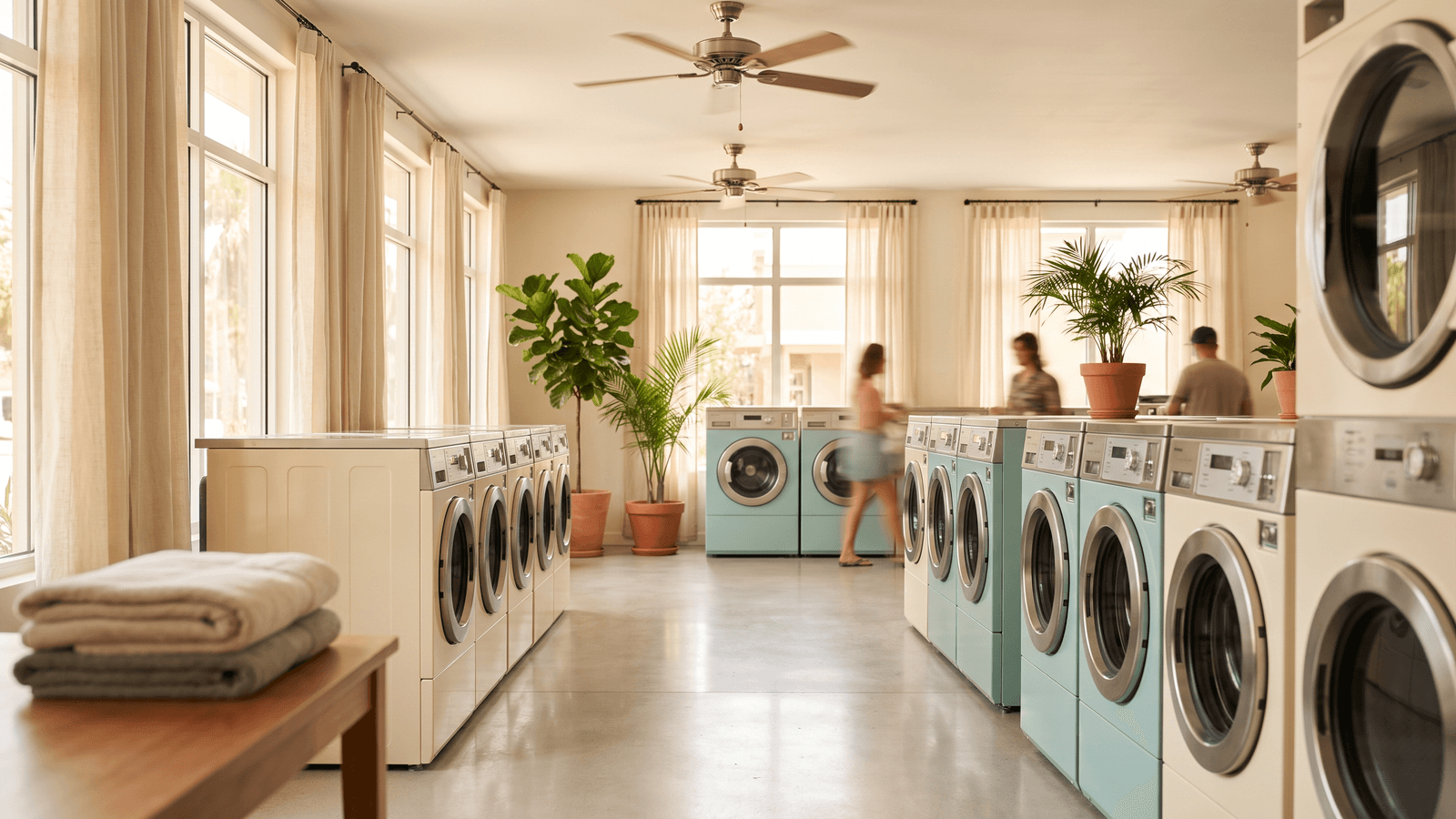
Buying a laundromat in Louisiana means pairing a dense renter base, especially in New Orleans, with real climate risk that shapes your operating costs. Expect self-service laundromats to trade in a common range of about 3.0x to 4.5x seller's discretionary earnings (SDE), with price driven by verified collections, equipment age, lease terms, and utility efficiency. The wildcard here is insurance: hurricane, wind, and flood exposure along the Gulf can raise premiums well above what a buyer in a low-risk state would pay. Verify every number with the seller's records, a CPA, and local parish agencies before you commit.
Contents - The Louisiana market - Where the demand is - What to check in Louisiana - Financing and costs - Louisiana permits and rules - A worked example - Where to look
The Louisiana market Louisiana combines a large renter population with a service economy built around tourism and hospitality, which keeps demand for self-service and drop-off laundry steady. Neighborhoods with older housing stock and limited in-unit hookups tend to support the strongest walk-in volume, and drop-off or wash-and-fold service can add margin where a hospitality workforce values convenience. The state also carries climate risk that a careful buyer must price into every deal, so the same store can look very different once you layer in insurance and utility costs. Learn how to value a laundromat and run the numbers with the laundromat valuation calculator before you make an offer.
- Renter density supports volume. Cities like New Orleans have high shares of renters, and renters are the core customer base for self-service laundry.
- Hurricane and flood insurance is a real cost line. Gulf Coast wind, flood, and storm exposure can push property and contents insurance premiums above national norms, so get quotes early and build them into your model.
- Humid climate affects equipment and buildout. Persistent humidity means ventilation, dryer maintenance, and moisture control matter more, which can raise upkeep costs over time.
- Tourism and hospitality workforce adds demand. Service workers with irregular schedules and limited in-unit laundry help sustain traffic in the right locations.
Where the demand is Demand concentrates where renters, foot traffic, and workforce density overlap. The table below highlights Louisiana metros worth a closer look.
| Metro | Why it matters |
|---|---|
| New Orleans | Dense renter base, tourism and hospitality workers, and strong neighborhood foot traffic. |
| Baton Rouge | State capital and major university population create steady renter and student demand. |
| Lafayette | Regional hub for Acadiana with a stable working population and growing suburbs. |
| Shreveport | Established market in the northwest with affordable real estate and consistent local demand. |
Lake Charles rounds out the picture as a smaller Gulf market where an energy and hospitality workforce sustains local laundry demand, though flood and wind exposure there deserves close attention. When you compare specific storefronts, weigh visibility, parking, anchor tenants, and nearby housing density, as covered in what makes a great laundromat location. A busy corner in a dense renter neighborhood usually beats a cheaper site with weak foot traffic.
What to check in Louisiana Diligence protects you from paying for revenue that is not there. Work through a full due diligence checklist for laundromat buyers, and pay extra attention to these Louisiana-specific items.
- Utilities and water. Water, sewer, gas, and electric are the biggest ongoing costs. Pull 12 to 24 months of bills and confirm rates with the local utility.
- Flood zone and insurance. Check the property's FEMA flood zone and get written insurance quotes for wind, flood, and contents. Premiums vary widely by parish and elevation.
- Equipment age and condition. Inventory every washer and dryer, note age and brand, and estimate replacement timing. Older machines mean higher water and repair costs.
- Lease terms. Review the remaining term, renewal options, rent escalations, and who pays for repairs. See reviewing a laundromat lease before signing anything.
- Real revenue verification. Match reported collections against utility usage, bank deposits, and tax returns. Water consumption is a strong cross-check on claimed volume.
Financing and costs Many Louisiana laundromat purchases fit SBA financing, which is popular because it allows lower down payments and longer terms than most conventional loans. Estimate payments with the SBA loan payment calculator and review your options on the financing page.
- Down payment. SBA 7(a) deals often require roughly 10 to 20 percent down, though your lender and the specific deal set the terms.
- Rent as a share of revenue. Keep occupancy cost sustainable. Test it with the rent-to-revenue calculator before you commit to a lease.
- Insurance and reserves. Budget higher-than-average insurance for coastal risk, plus a reserve for storm-season disruptions and equipment repairs.
- Utility efficiency. Water and gas efficiency directly affect margin, so factor upgrade costs into your first-year plan.
- Working capital. Keep cash on hand for slow months, storm-season closures, and unexpected repairs so a bad quarter does not force you into debt.
- Utility deposits and transfers. Budget for new utility deposits and account transfers, which can tie up cash during the first weeks of ownership.
Stress-test the full picture with the deal analyzer and confirm earnings with the SDE calculator.
Louisiana permits and rules Requirements vary by parish and city, and Louisiana uses parishes rather than counties, so confirm the specifics with your local agencies before you buy. Treat the list below as a starting point, not a final checklist.
- Business licensing. Register your business with the state and obtain any local occupational license required by your parish or municipality.
- Plumbing and building permits. Any renovation, plumbing change, or equipment swap typically needs permits and inspections from the local building authority.
- Wastewater and water rules. Confirm sewer discharge, backflow prevention, and water connection requirements with the local water and sewer utility.
- Zoning, signage, and health. Verify zoning allows a laundromat, check signage rules, and confirm any health or safety requirements that apply to attended stores.
None of this is legal advice, so confirm your obligations with a CPA, an attorney, and the relevant local agencies.
A worked example Imagine a Louisiana laundromat with verified SDE of $80,000 to $95,000 per year. At a 3.0x multiple, the low end of SDE prices near $240,000, and at 4.5x the high end prices near $427,500. That spread reflects differences in equipment age, lease quality, insurance exposure, and how well collections are documented. A store with newer machines, a long secure lease, and clean records earns the higher multiple, while deferred maintenance or a short lease pulls the price down. In Louisiana, unusually high insurance premiums or a location inside a high-risk flood zone can also compress the multiple, because a buyer has to absorb those costs out of the same earnings. Always separate the real estate from the business: if the building is included, its value and insurability change the analysis significantly.
Confirm the earnings figure with the SDE calculator, test the purchase price with the valuation calculator, and model financing with the SBA loan payment calculator. These numbers are illustrative only and not a prediction for any specific store.
Where to look Start your search, then build a repeatable process so you can move quickly when the right store appears.
- Browse active inventory. Review laundromat listings filtered for Louisiana metros like New Orleans, Baton Rouge, and Lafayette.
- Set alerts. Save your search criteria so new Louisiana listings reach you as soon as they post.
- Follow a process. Work through the buyers roadmap and read how to buy a laundromat to keep your diligence organized.
Louisiana rewards buyers who respect both the demand and the climate risk. Verify the numbers, price in insurance honestly, and lean on local agencies and your own advisors before you sign.
Frequently asked questions
Where is laundromat demand strongest in Louisiana?
Demand is strongest where renters and foot traffic concentrate. New Orleans leads with its dense renter base and hospitality workforce, followed by Baton Rouge, Lafayette, and Shreveport. Look for storefronts near multifamily housing with good visibility and parking.
How are Louisiana laundromats valued?
Most self-service laundromats are valued as a multiple of seller's discretionary earnings (SDE), commonly in a range of about 3.0x to 4.5x. Newer equipment, a strong lease, and well-documented collections push toward the higher end. Verify SDE with tax returns and utility bills, and confirm figures with a CPA.
Can I use an SBA loan to buy a laundromat in Louisiana?
Yes, many laundromat purchases fit SBA 7(a) financing, which often allows lower down payments and longer terms than conventional loans. Down payments commonly run around 10 to 20 percent depending on the deal and lender. Estimate payments with an SBA loan calculator and talk to an SBA-preferred lender early.
What permits and rules apply to Louisiana laundromats?
Requirements vary by parish and city, since Louisiana uses parishes rather than counties. You typically need business registration, a local occupational license, and permits for plumbing, building, and wastewater work. Confirm zoning, signage, and health rules with your local agencies before you buy.
How is sales tax treated for laundromats in Louisiana?
Sales tax treatment for coin and self-service laundry can differ from retail sales, and Louisiana combines state and local parish rates. Because rules and rates vary by location, confirm your specific obligations with the Louisiana Department of Revenue and a CPA. This is general information, not tax advice.