Buying a Laundromat in Minnesota
SudsList Editorial · Jul 27, 2026
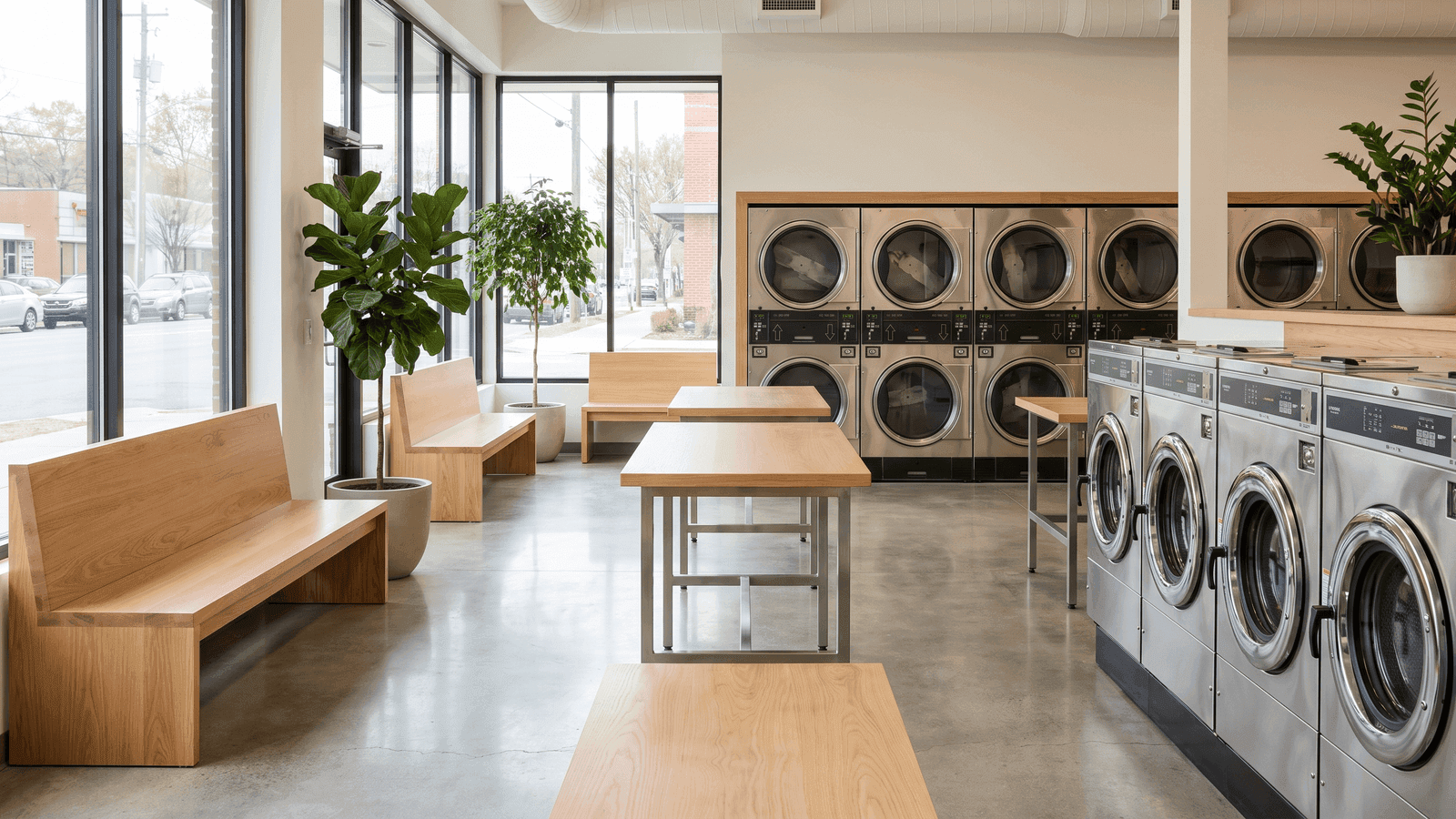
Minnesota offers steady, weather-driven laundromat demand anchored by dense renter neighborhoods in the Twin Cities and a handful of mid-size regional hubs. Minneapolis and St. Paul carry the deepest concentration of apartment dwellers, students, and multi-family housing, while Rochester adds a stable base around its medical and employment economy. The trade-offs are familiar to any cold-climate operator: long winters push customers indoors and raise the value of clean, well-heated, reliable stores, but they also mean higher utility loads, snow and ice maintenance, and older buildings with aging plumbing. If you buy a store with solid equipment and a fair lease, Minnesota rewards operators who keep machines running and locations comfortable through every season.
Contents
- The Minnesota market
- Where the demand is
- What to check in Minnesota
- Financing and costs
- Minnesota permits and rules
- A worked example
- Where to look
The Minnesota market
Minnesota is a strong renter market in its urban cores, which is exactly where self-service laundry works best. The state combines a large metropolitan population with cold winters that make an indoor, well-maintained store genuinely valuable to customers who cannot line-dry or run laundry outdoors for much of the year.
- Renter density drives revenue. The best stores sit where apartments, duplexes, and smaller multi-family buildings cluster, and where in-unit laundry is uncommon.
- Seasonality is real. Heating costs and snow removal add winter expense, while heavy indoor use can lift cold-season volume. Ask sellers for month-by-month figures rather than an annual average.
- Equipment condition matters more here. Long heating seasons and hard-working machines mean you should weigh the age and maintenance history of washers, dryers, and water heaters carefully.
Before you get attached to any store, learn how these businesses are priced. Our how to value a laundromat guide and the laundromat valuation calculator give you a baseline to test any asking price.
Where the demand is
Minnesota's laundromat demand concentrates in a few clear population centers, and the surrounding neighborhoods matter as much as the metro name.
- Minneapolis. The largest and densest market, with strong renter and student populations across many neighborhoods. Competition is real, so location quality and store condition separate winners from strugglers.
- St. Paul. The other half of the Twin Cities, with established residential districts, immigrant communities, and steady multi-family housing that supports neighborhood stores.
- Rochester. A stable regional hub anchored by a large medical and employment base, offering demand outside the immediate Twin Cities metro.
Beyond these metros, smaller regional cities and college towns can support a single well-run store, but thinner populations mean less room for error. In every market, walk the trade area, count nearby apartments, and note competing stores. Our guide on what makes a great laundromat location walks through the signals that matter most.
What to check in Minnesota
Due diligence in Minnesota looks like it does anywhere, with extra attention to the building systems that a cold climate stresses. Work through a full due diligence checklist for laundromat buyers and pay particular attention to:
- Verified income. Ask for utility bills, coin and card processor statements, and any wash-and-fold or vending records. Reconcile claimed revenue against water and gas usage rather than taking a stated number at face value.
- Equipment age and heat. Inspect washers, dryers, and especially water heaters and any boiler. High-efficiency machines cut utility load, which matters through a long heating season.
- Plumbing and drainage. Older Minnesota buildings can hide dated supply lines, floor drains, and venting. Budget for an inspection.
- The lease. Term length, renewal options, rent escalators, and who pays for HVAC and structural repairs can make or break returns. Read reviewing a laundromat lease before you sign anything.
- Utility structure. Understand how water, sewer, gas, and electric are metered and billed, and confirm current rates directly with the local utilities rather than relying on old figures.
Financing and costs
Most Minnesota laundromat purchases are financed rather than paid in cash, and SBA-backed loans are common because they suit owner-operator small businesses. Your total capital need includes the purchase price plus working capital, any deferred equipment replacement, and reserves for winter utility swings.
- Know your cash flow first. Rebuild the store's real earnings using the SDE calculator, then pressure-test the deal with the deal analyzer.
- Model the loan. Estimate monthly payments with the SBA loan payment calculator so you know your debt service before you offer.
- Watch occupancy cost. Rent that is too high relative to revenue quietly erodes profit. Check it with the rent-to-revenue calculator.
- Plan for utilities. Water, sewer, and gas are the largest recurring costs, and Minnesota winters push heating higher. Build a conservative utility line into your projections.
For an overview of loan types and lender expectations, see our financing page and the broader how to buy a laundromat walkthrough.
Minnesota permits and rules
Rules for laundromats in Minnesota come from a mix of state and local agencies, and the specifics depend heavily on your city and county. Do not assume a seller has everything current. Confirm each item with the responsible agency before closing.
- Business registration and licensing. Check state and city requirements for registering the business and any local operating licenses. Confirm what applies in your specific city.
- Plumbing and building permits. Any equipment changes, plumbing modifications, or build-outs typically require permits and inspections through your local building department. Verify before you plan renovations.
- Wastewater and discharge. Laundry discharge is regulated, and requirements vary by municipal wastewater authority. Confirm sewer and discharge rules with the local utility.
- Sales tax on services. The taxability of self-service laundry versus wash-and-fold and other services can be nuanced. Confirm the correct sales-tax treatment with a Minnesota CPA rather than guessing.
- ADA and accessibility. Public-facing stores must meet accessibility standards. Factor any needed upgrades into your budget.
This is buyer orientation, not legal or tax advice. Local agencies and a qualified Minnesota CPA are your authoritative sources.
A worked example
Here is a simplified, illustrative example to show how the math fits together. The numbers are round and for demonstration only, not a quote for any specific store.
Suppose a Twin Cities store shows about $80,000 in seller's discretionary earnings (SDE) after you have verified income and normalized the owner's add-backs. Laundromats commonly trade in a range of roughly 3.0x to 4.5x SDE, depending on equipment age, lease quality, and location strength.
- At 3.0x, the store might be priced near $240,000.
- At 4.5x, a store with newer machines and a strong long lease might reach about $360,000.
If you financed a purchase in that range with an SBA-style loan, you would use the SBA loan payment calculator to confirm the monthly payment fits comfortably under the store's cash flow, leaving room for reserves and winter utility spikes. A store on the higher multiple should justify it with better equipment, a longer lease, and cleaner books. Always rebuild the earnings yourself with the SDE calculator before trusting a seller's multiple.
Where to look
Good Minnesota stores sell quietly, so cast a wide net and be ready to move when a fair deal appears.
- Browse current listings. Start with our listings and filter for Minnesota metros to see what is on the market.
- Set alerts. Save searches and alerts so new Minnesota stores reach you early, before they are widely shopped.
- Work the roadmap. Follow the buyers roadmap to move from first look to closing in a disciplined order, and keep your valuation and financing tools open as you compare stores.
Minnesota rewards operators who buy reliable equipment in dense, renter-heavy trade areas and who keep their stores warm, clean, and running through every season. Do the verification work, confirm the local rules, and let the numbers, not the pitch, decide.
Frequently asked questions
Where is laundromat demand strongest in Minnesota?
Demand concentrates in the Twin Cities of Minneapolis and St. Paul, where renter and multi-family housing is dense, plus Rochester as a stable regional hub. Smaller cities and college towns can support a single well-run store, but thinner populations leave less room for error.
What should I check before buying a Minnesota laundromat?
Verify income against utility usage, inspect washers, dryers, and water heaters, review plumbing and drainage in older buildings, and read the lease closely. A cold-climate store also needs sound heating and reliable equipment to hold winter volume.
How much does a laundromat cost in Minnesota?
Prices vary widely with equipment age, lease terms, and location. Laundromats commonly trade at roughly 3.0x to 4.5x seller's discretionary earnings, so rebuild the store's real earnings yourself before trusting any asking price.
What permits and rules apply to Minnesota laundromats?
Requirements depend on your city and county and can include business registration, local licensing, plumbing and building permits, and wastewater rules. Confirm each with the responsible local agency, and confirm sales-tax treatment of laundry services with a Minnesota CPA.
How do I finance a laundromat purchase in Minnesota?
Most buyers use SBA-backed loans suited to owner-operators. Model your cash flow with an SDE calculator, estimate payments with an SBA loan calculator, and confirm rent-to-revenue and utility costs before making an offer.