Buying a Laundromat in Missouri
SudsList Editorial · Jul 27, 2026
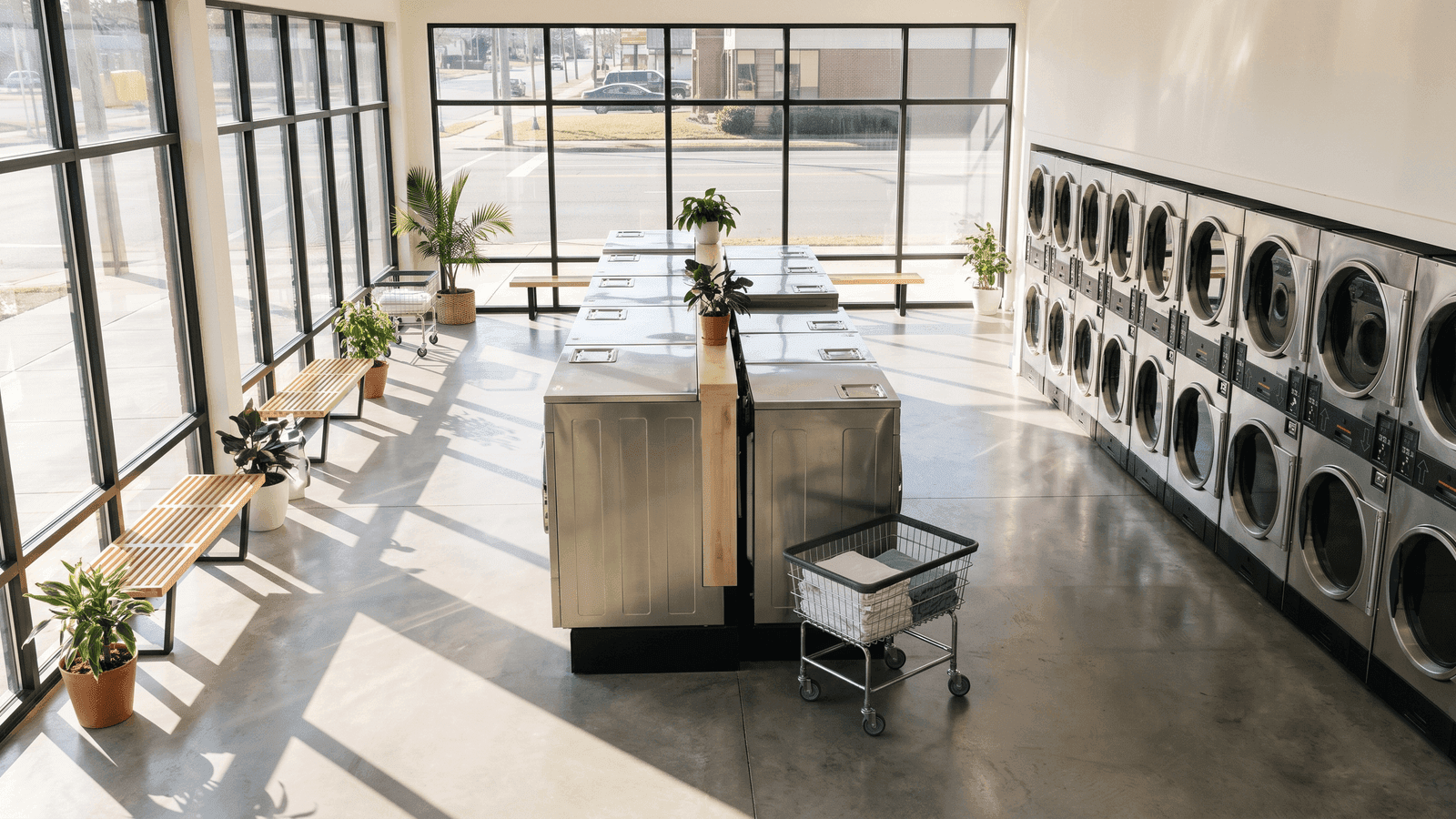
Missouri offers steady, everyday laundromat demand anchored by a mix of urban renter neighborhoods, college towns, and working households across the state. The biggest opportunities cluster around Kansas City and St. Louis, the two large metros, with Springfield adding a solid mid-market option. The trade-offs are familiar: dense metro corridors bring more customers and higher rents, while smaller markets offer cheaper real estate but thinner walk-in traffic. Older equipment, water and sewer costs, and lease terms are usually what separate a fair price from an overpay, so patient diligence matters more than any single headline number.
Contents
- The Missouri market
- Where the demand is
- What to check in Missouri
- Financing and costs
- Missouri permits and rules
- A worked example
- Where to look
The Missouri market
Missouri is a large, geographically varied state, and laundromat demand tracks where renters and multifamily housing concentrate.
- Renter-heavy demand. Neighborhoods with apartments, older housing stock, and households without in-unit laundry are the core customer base. These pockets exist in every metro and many smaller cities.
- Two anchor metros plus a strong third. Kansas City and St. Louis carry the most population and the deepest pool of both customers and available stores. Springfield rounds out the top tier as a growing mid-size market.
- A range of price points. Metro corridors command higher rents and often higher asking prices, while stores in smaller cities and rural county seats can trade for less but with lower and sometimes seasonal traffic.
- Equipment age drives value. Many Missouri stores run on aging washers and dryers. The condition and remaining life of that equipment often matters more than square footage when you value a deal.
Before you get attached to any listing, ground your expectations with the how to value a laundromat guide and the laundromat valuation calculator.
Where the demand is
Focus your search on the metros with the clearest renter density and daytime traffic.
- Kansas City. The state's largest metro area, with diverse neighborhoods, a broad renter base, and steady turnover of small businesses. Expect more competition and a wider spread of asking prices.
- St. Louis. A large, established market with dense older neighborhoods, strong multifamily housing, and a deep inventory of existing laundromats. Location quality varies block by block, so local knowledge pays off.
- Springfield. A growing mid-size city and regional hub with a notable student and renter population. Real estate can be more affordable than the two big metros while demand stays reliable.
- College and regional towns. Smaller Missouri cities with universities or regional employment centers can support a well-run store, though seasonal swings and thinner populations call for careful traffic study.
Location fundamentals matter everywhere. Use the what makes a great laundromat location guide to compare parking, visibility, anchor co-tenants, and renter density across candidates.
What to check in Missouri
Diligence in Missouri looks like diligence anywhere, with local wrinkles around utilities and leases.
- Verify the revenue. Ask for utility bills, coin and card processor reports, and any bank deposits. Reconcile claimed collections against water usage, since water consumption is one of the hardest numbers to fake.
- Inspect the equipment. Note the make, age, and condition of every washer and dryer. Budget for near-term replacements and factor them into your offer.
- Study the utilities. Water, sewer, gas, and electric costs are a major line item. Confirm actual usage and rates with the local provider rather than trusting a seller estimate.
- Read the lease closely. Remaining term, renewal options, rent escalators, and who pays for plumbing and HVAC repairs can make or break the economics. The reviewing a laundromat lease guide walks through the clauses that matter most.
- Work a full checklist. The due diligence checklist for laundromat buyers keeps you from skipping steps under deal pressure.
Confirm any sales-tax treatment of self-service laundry and wash-and-fold with a Missouri CPA, since how those services are taxed is a detail you want verified in writing, not assumed.
Financing and costs
Most laundromat purchases combine a down payment with a loan, and the numbers deserve stress-testing before you sign.
- Down payment and loan mix. Buyers commonly finance part of the price. An SBA-backed loan is a common path for qualifying stores. Model your monthly payment with the SBA loan payment calculator.
- Cash flow first. Base your offer on verified seller's discretionary earnings, not gross collections. The SDE calculator helps you rebuild an honest earnings figure.
- Rent as a share of revenue. Occupancy cost is the fastest way to sink a laundromat. Check it with the rent to revenue calculator before you commit.
- Reserve for equipment. Set aside capital for the washers and dryers you will inevitably replace, plus water heaters and any card-system upgrades.
For a fuller picture of loan options and structuring, see the financing overview, and pressure-test the whole deal with the deal analyzer.
Missouri permits and rules
Requirements vary by city and county, so confirm the specifics locally rather than relying on general rules.
- Business licensing. Cities such as Kansas City, St. Louis, and Springfield may have their own business license or registration requirements. Confirm what applies at your exact address with the local city or county office.
- Plumbing and building permits. Any equipment swap, plumbing change, or buildout can trigger permits and inspections. Check with the local building department before you plan renovations.
- Wastewater and sewer rules. Laundromats discharge a lot of water, and local sewer or wastewater authorities may have rules, fees, or connection requirements. Confirm these with the relevant utility or district.
- Sales tax. Verify how self-service laundry and wash-and-fold are treated for sales tax with a Missouri CPA, and confirm any registration you need with the state.
Treat this as a buyer orientation, not legal or tax advice. The reliable move is to call the specific agencies that govern your address and get answers in writing.
A worked example
Here is a rounded, illustrative example to show the mechanics. These are not Missouri market figures, just round numbers for the math.
- Verified SDE: about $80,000 per year, rebuilt from bills and processor reports rather than the seller's summary.
- Multiple range: laundromats commonly trade around 3.0x to 4.5x SDE, depending on lease quality, equipment age, and location.
- Implied price: roughly $240,000 at 3.0x up to about $360,000 at 4.5x.
- Reading it: a newer store with a long lease and strong traffic earns the higher end; an older store with aging machines and a short lease belongs near the low end, or lower.
Run your own numbers through the laundromat valuation calculator and the deal analyzer, and walk the full purchase process with the how to buy a laundromat guide and the buyers roadmap.
Where to look
Good Missouri deals move quickly, so build a repeatable search habit.
- Browse active inventory. Start with current listings and filter for the metros and price ranges that fit your plan.
- Set alerts. Turn on saved-search alerts so new Kansas City, St. Louis, and Springfield stores reach you early instead of after they have been picked over.
- Network locally. Distributors, brokers, and current operators often know about stores that sell quietly before they ever appear online.
- Stay ready. Keep your financing pre-work and diligence checklist current so you can move fast when the right store appears.
A disciplined search plus honest diligence beats chasing the cheapest sticker price. Confirm licenses, permits, wastewater rules, and tax treatment with local agencies and a Missouri CPA, and let the numbers, not the pitch, decide.
Frequently asked questions
Where is laundromat demand strongest in Missouri?
Demand is deepest in renter-heavy neighborhoods across Kansas City and St. Louis, the two largest metros, with Springfield a strong mid-size market. College and regional towns can also support well-run stores.
How are laundromats priced in Missouri?
Most laundromats trade around 3.0x to 4.5x verified seller's discretionary earnings. Lease quality, equipment age, and location decide where a specific store lands in that range. Rebuild the earnings figure from real bills before you offer.
What should I check before buying a Missouri laundromat?
Verify revenue against water usage and processor reports, inspect every washer and dryer, study utility costs, and read the lease carefully. Work a full due diligence checklist so nothing gets skipped under deal pressure.
What permits or rules apply to Missouri laundromats?
Requirements vary by city and county. Confirm business licensing, plumbing and building permits, and local wastewater or sewer rules with the relevant local agencies for your exact address, and verify sales-tax treatment with a Missouri CPA.
How do people finance a laundromat purchase in Missouri?
Buyers typically combine a down payment with a loan, and SBA-backed financing is a common path for qualifying stores. Base the deal on verified earnings, model the monthly payment, and reserve capital for equipment replacement.