Buying a Laundromat in Montana
SudsList Editorial · Jul 27, 2026
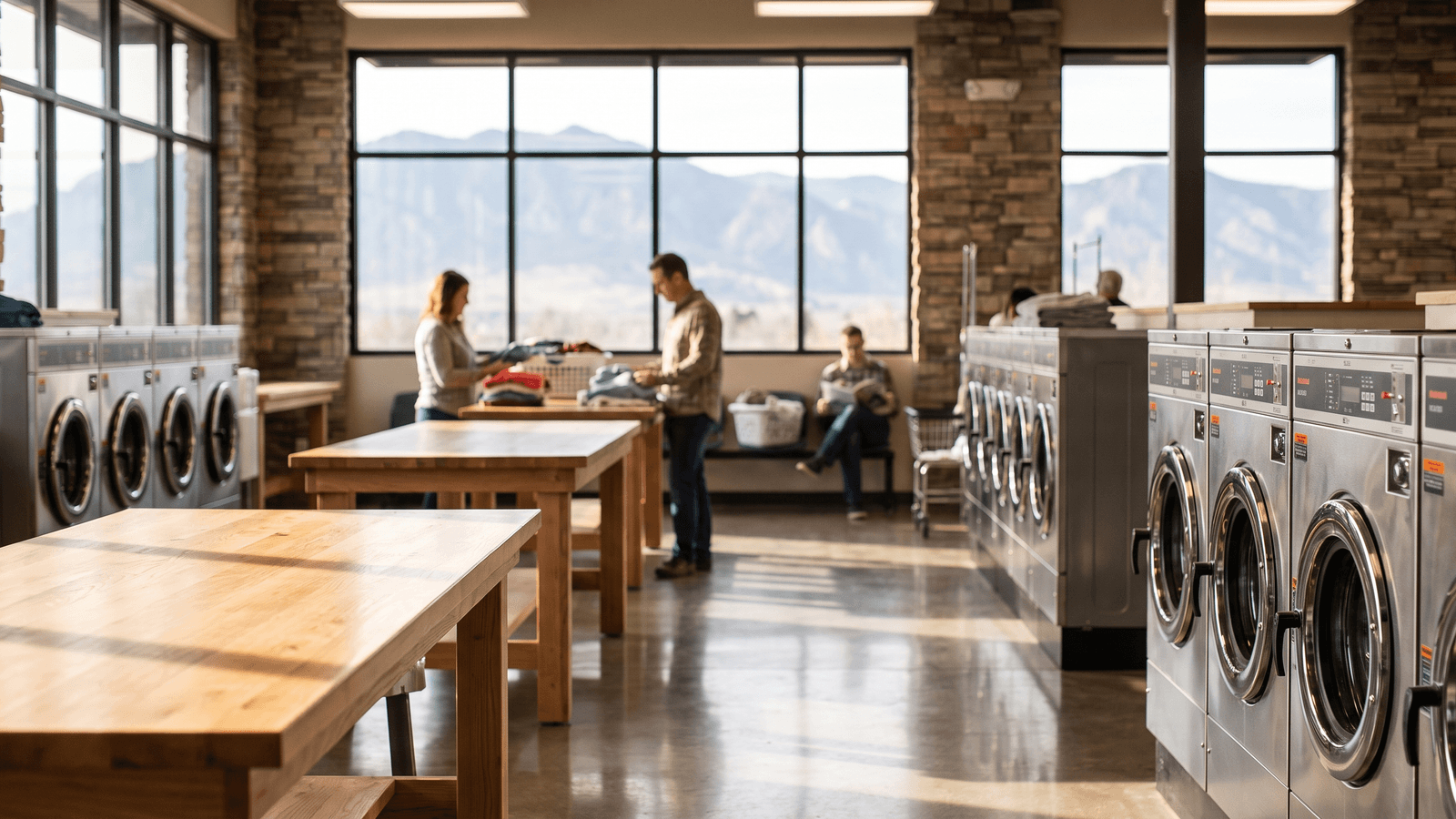
Buying a laundromat in Montana means matching a spread-out, small-market state with the right location and a careful look at heating, water, and equipment. Most deals are priced on seller's discretionary earnings (SDE), commonly in the range of 3.0x to 4.5x depending on lease terms, equipment age, and how well income is documented. Strong college towns like Missoula and fast-growing Bozeman draw steady renter demand, while long cold winters push laundry indoors across the state. Verify real revenue, utility costs, and lease terms before you commit, and confirm any tax questions with a Montana CPA.
Contents
- The Montana market
- Where the demand is
- What to check in Montana
- Financing and costs
- Montana permits and rules
- A worked example
- Where to look
The Montana market
Montana is a low-density state with a handful of growing metros and many small towns, which shapes how laundromats perform. Demand concentrates around renters, students, and workers who lack in-unit laundry, and the state's long, cold winters keep foot traffic steady when outdoor chores stop. Understanding these drivers helps you judge whether an asking price is fair before you dig into the numbers with a how to value a laundromat framework and the laundromat valuation calculator.
- Bozeman and Missoula are growing fast. Population and student demand around Montana State and the University of Montana support renter-heavy trade areas that keep machines busy.
- Winter demand is real. Cold months push residents toward indoor laundry, smoothing out seasonality that hurts warmer-climate stores.
- Small markets are spread out. Many towns have one or two stores, so a well-run location can hold a durable local position with limited direct competition.
- Tourism adds seasonal lift. Gateway towns near Yellowstone and Glacier see summer visitors and seasonal workers who use self-service laundry, which can boost revenue during the warmer months.
Because the state mixes college towns, a regional hub in Billings, and quiet rural markets, no single playbook fits every store. A location that looks small on paper may serve a wide rural trade area, and a store in a booming metro may still struggle if it sits on the wrong block. Ground your decision in the specific store's numbers rather than statewide averages.
Where the demand is
Demand clusters in the larger metros and the college and tourism towns, each with a different reason to look closer.
| Metro | Why it matters |
|---|---|
| Bozeman | Fast growth and Montana State students drive strong, renter-heavy demand |
| Missoula | University of Montana anchors a steady base of student and renter laundry |
| Billings | Largest city and regional hub with the deepest overall population base |
| Kalispell | Glacier gateway town with tourism, seasonal workers, and steady growth |
Great Falls and Helena round out the larger markets, and each town rewards a close read of the specific block. Study the trade area with what makes a great laundromat location before you fall for a headline population number.
What to check in Montana
Diligence is where good deals separate from bad ones, so work through a structured due diligence checklist for laundromat buyers and pay special attention to a few Montana-specific items.
- Utilities, heating, and water. Cold winters mean real heating costs and freeze risk, so review gas and electric bills across a full year and confirm water and sewer rates and metering.
- Equipment age and parts access. In remote areas, service techs and parts can be slow to arrive, so note machine brands, ages, and how repairs are handled before you buy.
- Lease terms. A short or unfavorable lease can wipe out value, so read every clause with help from reviewing a laundromat lease, including renewal options and who pays for major systems.
- Real revenue and seasonality. Verify income against bank deposits, coin and card processor statements, and utility usage, and account for tourism-driven summer swings in gateway towns.
- Competition and trade area. Map nearby stores, apartment density, and drive times, since spread-out markets can mask both weak and unusually strong locations.
- Card, coin, and app payments. Confirm how customers pay and whether the payment system is modern, since upgrades can be costly but often lift revenue and simplify bookkeeping.
Financing and costs
Many Montana laundromat purchases fit SBA 7(a) financing, which is designed for owner-operated small businesses and can offer long terms and modest down payments. Model the monthly payment early so the deal still cash flows after debt service.
- SBA loans. Estimate payments with the SBA loan payment calculator and read the overview on the financing page to understand typical structures.
- Down payment and reserves. Plan for a cash injection plus working capital, especially in remote towns where a repair can take longer and cost more.
- Rent as a share of revenue. Keep occupancy cost sustainable and pressure-test it with the rent-to-revenue calculator.
- Equipment reinvestment. Aging machines may need replacement soon, so budget for capital expenditures alongside the purchase price.
- Utilities and heating. Winter energy costs are a meaningful line item in Montana, so build them into your operating model.
Once you have the inputs, run the full picture through the deal analyzer and confirm earnings with the SDE calculator.
Montana permits and rules
Requirements vary by city and county, so confirm the specifics with local agencies and the Montana Department of Revenue before you close. Use these categories as a starting checklist.
- Business licensing. Check for city or county business license or registration requirements where the store operates.
- Plumbing and building permits. Any equipment changes, buildouts, or upgrades typically need permits and inspections.
- Wastewater and water rules. Confirm sewer discharge, backflow, and water use rules with the local utility, which matter more for high-volume stores.
- Zoning, signage, and health. Verify zoning for the use, sign rules, and any local health or safety requirements before you commit.
None of this is legal advice, so confirm your specific situation with a Montana attorney, a CPA, and the relevant local agencies.
A worked example
Picture a Montana store with SDE (owner earnings) of roughly $75,000 to $90,000 per year. At a 3.0x multiple, the low end values it near $225,000, and at 4.5x, the high end lands around $405,000. That spread reflects real differences: a long, favorable lease, newer card-enabled machines, verified books, and a growing trade area push a store toward the high end, while a short lease, aging equipment, or shaky records pull it toward the low end.
Remember that the multiple is a shorthand for risk and durability, not a fixed formula. Two stores with identical earnings can be worth very different amounts once you weigh the lease, the condition of the machines, and the strength of the surrounding market. Treat any headline multiple as a starting point, then adjust for what your own diligence uncovers.
These numbers are illustrative only. Plug your own figures into the valuation calculator, confirm earnings with the SDE calculator, and check affordability with the SBA loan payment calculator before you make an offer.
Where to look
- Browse active inventory. Search laundromat listings and filter for Montana metros like Billings, Bozeman, and Missoula.
- Set alerts. Good stores in small markets sell quickly, so track new listings and act fast when one fits your criteria.
- Follow a process. Work through the buyers roadmap and the step-by-step how to buy a laundromat guide so nothing slips through the cracks.
Montana rewards buyers who pair a growing or stable location with disciplined diligence on utilities, leases, and real revenue. The best deals usually come from patience, a clear budget, and a willingness to walk away when the numbers do not support the price. Move carefully, lean on your CPA and attorney, and let the verified figures guide your final offer.
Frequently asked questions
Where is laundromat demand strongest in Montana?
Demand concentrates in the larger and faster-growing metros. Bozeman and Missoula draw renter-heavy demand thanks to Montana State and the University of Montana, while Billings is the largest overall market. Kalispell, Great Falls, and Helena also support steady demand, and gateway towns near Yellowstone and Glacier add seasonal tourism traffic.
How are Montana laundromats valued?
Most laundromats are valued on seller's discretionary earnings (SDE), which is owner cash flow. Sale prices commonly fall in the range of 3.0x to 4.5x SDE. Lease quality, equipment age, verified books, and trade-area growth push a store toward the higher or lower end of that range.
Can I use an SBA loan to buy a laundromat in Montana?
Yes, many owner-operated laundromat purchases fit SBA 7(a) financing, which can offer long terms and modest down payments. You should still plan for a cash injection plus working capital reserves. Model the monthly payment early so the deal cash flows after debt service, and confirm details with your lender.
What permits and rules apply to Montana laundromats?
Requirements vary by city and county. Expect possible local business licensing, plumbing and building permits for any changes, wastewater and water use rules, and zoning, signage, and health requirements. Confirm the specifics with local agencies and a Montana attorney before you close, since none of this is legal advice.
Does Montana charge sales tax on laundromat services?
Montana has no statewide general sales tax, which simplifies pricing for self-service laundry compared with many states. Some resort and tourist areas may levy local resort taxes, however. Confirm the exact treatment of your revenue and any local taxes with a Montana CPA before you rely on it.