Buying a Laundromat in North Carolina
SudsList Editorial · Jul 26, 2026
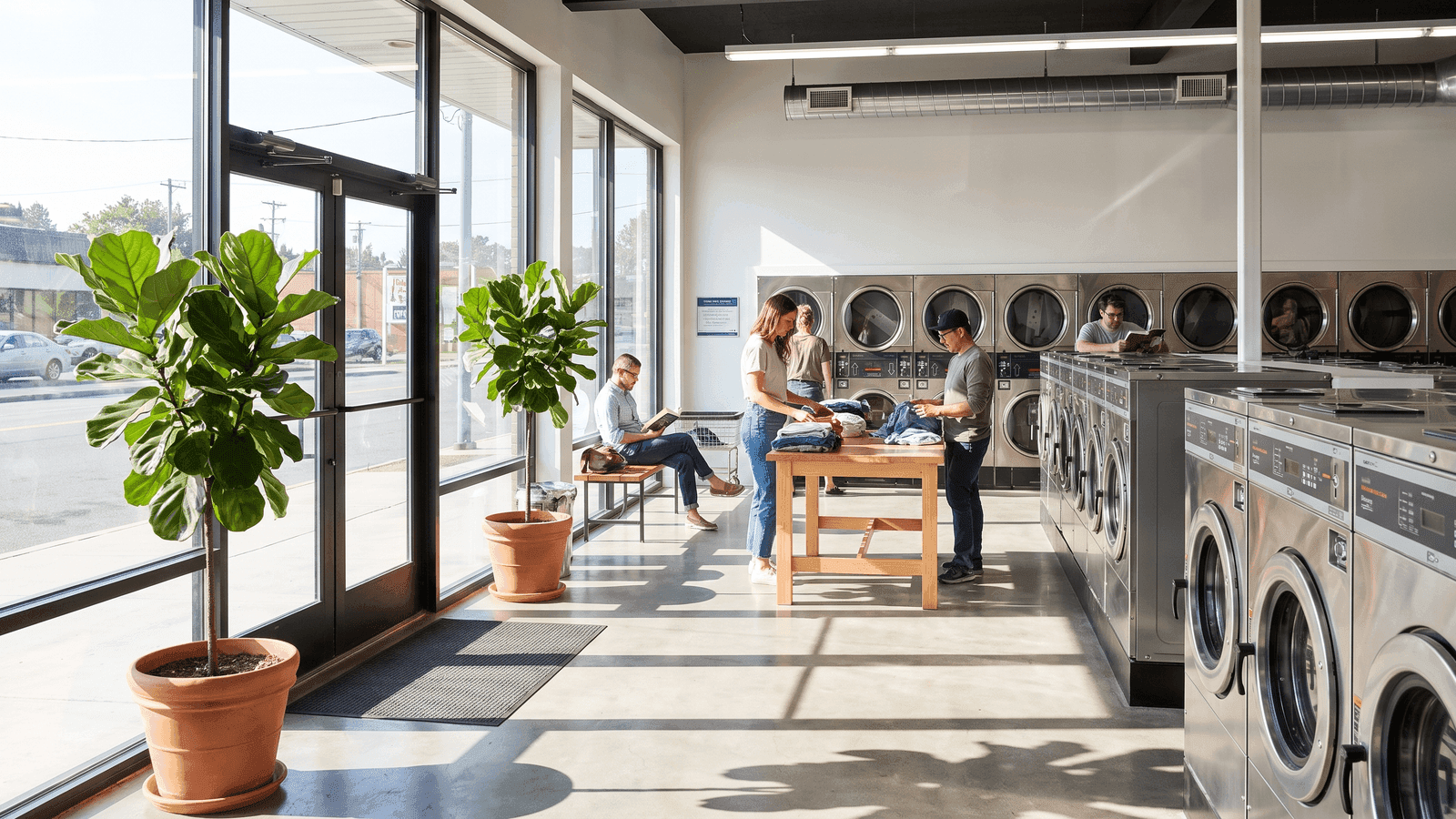
North Carolina offers steady laundromat demand driven by fast-growing metros, a large renter base, and a mix of urban and small-town markets that keep well-run stores busy. The main population centers are Charlotte, Raleigh, and Greensboro, each with dense apartment corridors and student and worker households that lean on self-service laundry. The trade-offs are familiar: competitive, higher-priced markets in the growth cities versus cheaper, thinner markets in smaller towns, plus lease quality and equipment age that can make or break a deal.
Contents
- The North Carolina market
- Where the demand is
- What to check in North Carolina
- Financing and costs
- North Carolina permits and rules
- A worked example
- Where to look
The North Carolina market
North Carolina has been one of the faster-growing states in the country, and that growth shows up in laundry demand. A large share of households rent, and many apartments and older homes lack in-unit laundry, which supports consistent self-service volume. The state blends major metros with a long tail of mid-size cities and rural towns, so you will find everything from modern card-and-app stores in Charlotte to older coin stores in smaller communities.
For a buyer, that variety is an opportunity and a warning. Well-located, updated stores in growing areas can command strong prices, while tired stores in flat markets sell cheaper for a reason. Your job is to separate a genuinely good business from one that simply looks cheap. Start with the fundamentals of how to value a laundromat so you can compare stores on the same basis.
Where the demand is
The clearest demand tends to cluster around renters, dense housing, students, and shift workers. In North Carolina, focus your search on:
- Charlotte and its surrounding suburbs, the state's largest metro, with heavy apartment growth and a broad renter base.
- Raleigh and the wider Research Triangle, where universities, hospitals, and tech employers create steady turnover of renter households.
- Greensboro and the Piedmont Triad, an established, more affordable market with solid working-household demand.
Beyond the big three, cities such as Durham, Winston-Salem, Fayetteville, and Wilmington hold real demand, and college towns add seasonal but reliable volume. Wherever you look, the block matters more than the metro. A store surrounded by apartments, with easy parking and good visibility, will usually outperform a store a mile away on a car-dependent road. Our notes on what makes a great laundromat location walk through the signals worth weighing.
What to check in North Carolina
Diligence in North Carolina looks like diligence anywhere, but a few items deserve extra attention in fast-growing metros where rents climb:
- Real, verifiable revenue. Ask for utility bills, especially water and gas, and reconcile them against claimed turns. Water usage is hard to fake and is one of the best cross-checks on collections.
- The lease. Confirm remaining term, options, and how rent escalates. In hot metros, a short remaining term or an aggressive escalation clause is a serious risk. Read reviewing a laundromat lease before you sign anything.
- Equipment age and condition. Note the make, age, and water efficiency of washers and dryers. A wall of aging machines can mean a large capital bill soon after closing.
- Competition and new supply. Growth areas attract new stores. Check what is nearby and whether new construction could add capacity.
Work the full due diligence checklist for laundromat buyers so nothing important slips through, and sanity-check the rent burden with the rent-to-revenue calculator.
Financing and costs
Most laundromat purchases combine a buyer's cash with a loan. SBA-backed loans are common for this asset class because the business has hard collateral and predictable cash flow. Local and regional banks and credit unions active in North Carolina also do these deals, and seller financing can help bridge a gap when the owner is motivated.
Beyond the purchase price, budget for working capital, any near-term equipment replacement, deposits, and the cost of small improvements that lift the store on day one. Estimate a monthly payment with the SBA loan payment calculator, and see our financing overview for how buyers typically structure these deals. Model the whole picture in the deal analyzer before you commit.
North Carolina permits and rules
Rules vary by city and county, so confirm the specifics locally rather than assuming. In general you should plan to:
- Confirm business licensing with the city and county where the store operates. Requirements and any local privilege taxes differ across jurisdictions.
- Check plumbing and building permits for any equipment changes or buildout, and verify prior work was permitted, with the local building department.
- Ask about wastewater and sewer rules. Laundromats are high water users, and some local utilities have discharge or capacity requirements worth confirming before you close.
- Confirm sales-tax treatment. How North Carolina treats coin or card self-service laundry versus wash-and-fold service can differ, so verify the correct handling with a North Carolina CPA.
This guide is a buyer's orientation, not legal or tax advice. Put local agency confirmation and a CPA review on your closing checklist.
A worked example
Round numbers make the math easy to follow. Suppose a Piedmont store shows seller's discretionary earnings (SDE) of $120,000 a year after you verify collections against water and gas bills. Laundromats commonly trade around a 3.0x to 4.5x multiple of SDE, depending on lease strength, equipment age, and location quality.
- At 3.0x, the business is worth about $360,000.
- At 4.5x, it is worth about $540,000.
A store with a long, stable lease and newer, efficient machines earns the top of that range. A store with a short lease or aging equipment sits at the bottom, because a buyer faces lease risk or a looming capital bill. If this store had a strong lease but machines nearing replacement, you might land near the middle, then negotiate the price down to reserve cash for new equipment.
Confirm your own earnings figure with the SDE calculator, then pressure-test the price with the laundromat valuation calculator. Treat the multiple as a starting point, not a rule.
Where to look
Good North Carolina stores sell quietly, so cast a wide net. Browse active listings and set alerts so new North Carolina stores reach you early, while the best deals are still available. Watch business-for-sale marketplaces, ask commercial brokers who work the Charlotte, Raleigh, and Greensboro markets, and let local operators know you are a serious buyer.
When a store catches your eye, move deliberately. Follow the buyers roadmap from first look to close, and review how to buy a laundromat so you know each step before you make an offer. Patience plus quick, organized diligence is how buyers win the good stores in a growing state like North Carolina.
Frequently asked questions
Is North Carolina a good state to buy a laundromat?
It can be. North Carolina is a fast-growing state with a large renter base and strong metros like Charlotte, Raleigh, and Greensboro, which supports steady self-service laundry demand. As always, the individual store, its lease, and its location matter more than the state.
Which North Carolina cities have the most laundromat demand?
Charlotte, Raleigh, and Greensboro anchor demand because of dense apartments, students, and working households. Durham, Winston-Salem, Fayetteville, and Wilmington also hold real demand. Focus on the specific block, since a location near apartments with good parking usually outperforms nearby stores.
How are laundromats valued in North Carolina?
Most stores are valued as a multiple of seller's discretionary earnings, commonly around 3.0x to 4.5x. Newer, efficient equipment and a long, stable lease push toward the top of the range, while short leases or aging machines push toward the bottom. Verify earnings against water and gas bills.
What permits and rules should a North Carolina buyer check?
Confirm business licensing with the city and county, check plumbing and building permits for any equipment or buildout work, and ask the local utility about wastewater or sewer requirements. Rules vary by jurisdiction, so verify locally rather than assuming.
Is laundry service taxable in North Carolina?
Tax treatment of self-service laundry versus wash-and-fold can differ, and it changes over time. Do not rely on general assumptions. Confirm the correct sales-tax handling for your specific store and services with a North Carolina CPA before you close.