Buying a Laundromat in South Carolina
SudsList Editorial · Jul 27, 2026
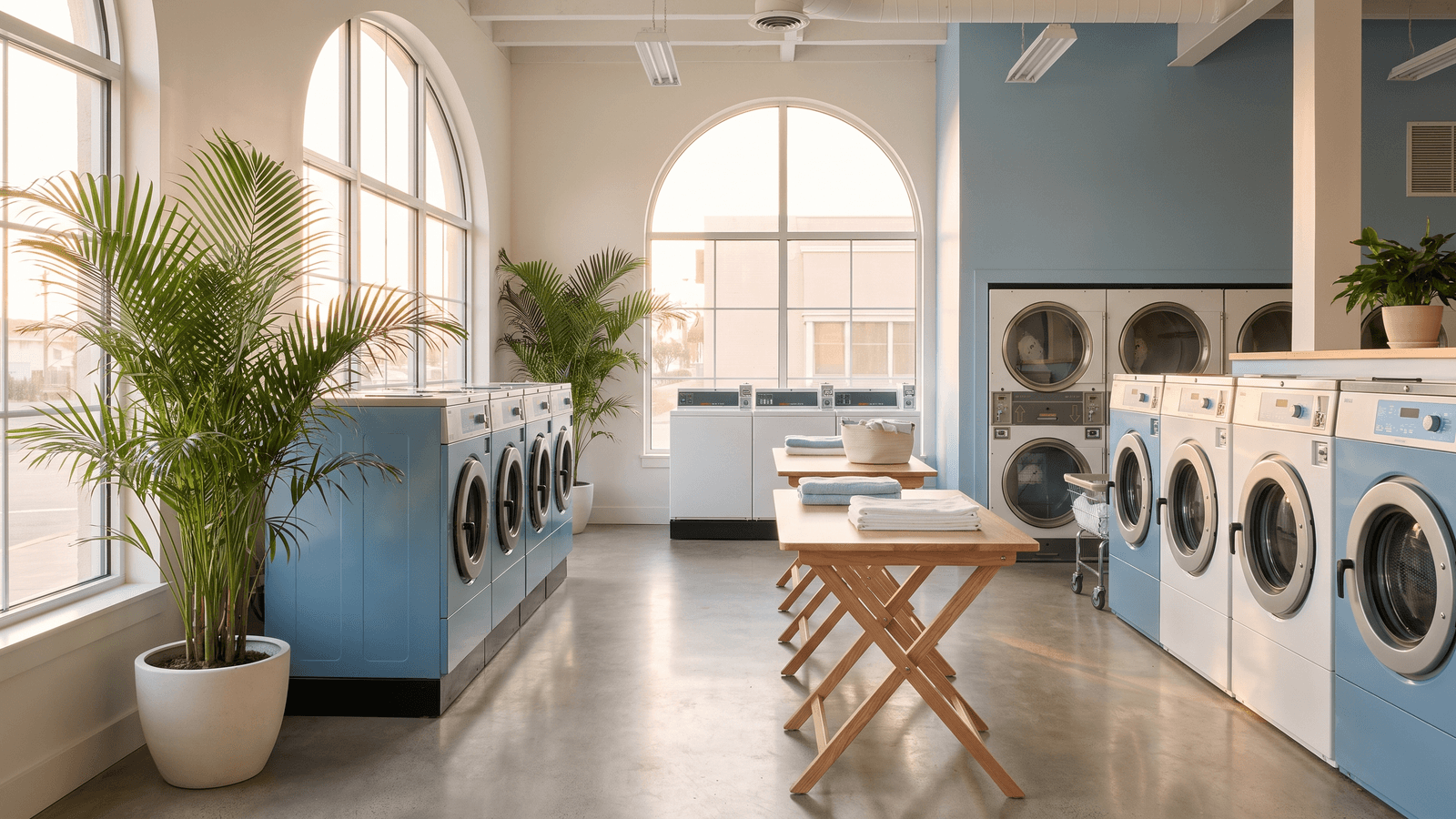
Buying a laundromat in South Carolina means pairing steady residential demand with a fast-growing, in-migration-driven economy. The best opportunities cluster around Columbia, the Charleston and North Charleston corridor, Greenville, and the Myrtle Beach tourism belt, where renters, students, workers, and visitors keep machines busy. Expect small laundromats to trade commonly around 3.0x to 4.5x seller's discretionary earnings (SDE), with the multiple driven by lease terms, equipment age, and verified cash flow. South Carolina's generally lower operating costs help, but you still need to confirm utilities, water rates, and local rules before you sign.
Contents
- The South Carolina market
- Where the demand is
- What to check in South Carolina
- Financing and costs
- South Carolina permits and rules
- A worked example
- Where to look
The South Carolina market
South Carolina is one of the faster-growing states in the country, and that population growth is exactly what a laundromat buyer wants to see. New residents, a large renter base, and a mix of students, service workers, and tourists all support consistent self-service laundry demand. The state's humid climate and manufacturing job base add to steady usage, since apartment dwellers and shift workers often lack in-unit machines. Growth also spreads across several regions rather than one dominant city, which gives buyers more markets to consider. For valuation fundamentals, review how to value a laundromat and run scenarios through the laundromat valuation calculator.
- Population growth drives demand. Strong in-migration into the Upstate, Midlands, and coastal regions keeps adding renter households that lean on shared laundry.
- Diverse job base. Manufacturing near Greenville (BMW), aerospace in Charleston (Boeing), tourism, and higher education spread demand across several metros.
- Lower operating costs. Compared with many states, South Carolina tends to offer more affordable rents and utilities, which can widen margins on a well-run store.
- Seasonality on the coast. Myrtle Beach and Charleston see tourist-driven swings, so read revenue across a full year, not a single busy month. A store that looks strong in July may run much slower in the winter shoulder season.
Where the demand is
Demand concentrates where renters, students, workers, and visitors are densest. The metros below are where buyers most often focus.
| Metro | Why it matters |
|---|---|
| Columbia | State capital and University of South Carolina anchor a large, stable renter and student population. |
| Charleston / North Charleston | Boeing, port activity, tourism, and rapid growth drive both resident and visitor laundry demand. |
| Greenville | Upstate manufacturing hub (including BMW) with strong job growth and expanding rental housing. |
| Myrtle Beach | Coastal tourism creates seasonal peaks plus a steady service-worker resident base. |
Location quality inside a metro matters as much as the metro itself. Use what makes a great laundromat location to weigh renter density, parking, visibility, and nearby competition before you commit.
What to check in South Carolina
Due diligence protects you from paying for revenue that is not real. Work through a structured due diligence checklist for laundromat buyers, and pay special attention to these items.
- Utilities and water. Water and sewer are your largest variable costs. Pull 12 to 24 months of bills and confirm rates with the local utility, since coastal and municipal systems can price differently.
- Equipment age and condition. Ask the age, brand, and service history of every washer and dryer. Older machines mean higher water use and near-term replacement capital.
- Lease terms. Most laundromats sit on leased real estate, so the lease is central to value. Study reviewing a laundromat lease and confirm remaining term, renewal options, rent escalators, and who handles major repairs.
- Real revenue verification. Reconcile collections against utility usage, bank deposits, and card-system reports. On the coast, separate tourist-season spikes from baseline year-round income.
- Competition and trade area. Map nearby laundromats and apartment density. A store surrounded by renters with weak competition holds value better than one in a saturated corridor. Drive the neighborhood at different times to gauge real foot traffic and parking.
- Card versus coin systems. Confirm whether the store runs coin, card, or app payment, and who owns or leases that system, since it affects both revenue reporting and future upgrade costs.
Financing and costs
Many laundromat purchases in South Carolina fit the SBA 7(a) model well because the loans support goodwill, equipment, and working capital with a longer term. Bring clean books, a clear operating plan, and realistic projections.
- SBA 7(a) fit. Estimate payments and down-payment scenarios with the SBA loan payment calculator before you make an offer.
- Down payment and reserves. Plan for a meaningful equity injection plus cash reserves for early repairs and slow months.
- Rent as a share of revenue. Test affordability with the rent-to-revenue calculator; rent that runs too high relative to sales squeezes owner earnings.
- Equipment reinvestment. Budget for replacing aging machines, since efficient washers cut water and utility costs over time.
- Explore your options. Review lender types and structures on the financing page before you choose a path.
Once you have a target store, pressure-test the full picture with the deal analyzer and confirm owner earnings with the SDE calculator.
South Carolina permits and rules
Requirements vary by city and county, so confirm the specifics with local agencies before closing. In general, plan for these categories.
- Business licensing. Many South Carolina municipalities and counties require an annual local business license, and the state issues a retail sales tax license through the Department of Revenue.
- Plumbing and building permits. Any buildout, machine additions, or plumbing changes typically require permits and inspections from the local building department.
- Wastewater and water rules. Water and sewer connections and discharge standards are set by local utilities and, in some areas, coastal environmental rules, so verify capacity and any grease or drainage requirements.
- Zoning, signage, and health. Confirm the use is permitted at the site, that signage meets local code, and whether any wash-and-fold or vending service triggers additional health rules.
None of this is legal advice. Confirm licensing, tax, permitting, and zoning details with a CPA, an attorney, and the relevant South Carolina city, county, and state agencies.
A worked example
Here is an illustrative example, not a promise of results. Suppose a South Carolina laundromat shows verified SDE somewhere in the range of $80,000 to $95,000 per year after you normalize the owner's benefit. At a 3.0x multiple, an $80,000 SDE store would price near $240,000, while a $95,000 SDE store at 4.5x would price near $427,500. The spread reflects real differences: a long, favorable lease, newer efficient equipment, strong verified collections, and light competition push toward the high end, while a short lease, aging machines, or shaky records pull toward the low end.
Run your own numbers through the valuation calculator, confirm the earnings base with the SDE calculator, and check debt service with the SBA loan payment calculator. These figures are illustrative only and depend on the specific store, lease, and financing.
Where to look
Finding the right South Carolina store is a process, not a single search.
- Browse active inventory. Start with laundromat listings filtered for South Carolina to see what is on the market across Columbia, Charleston, Greenville, and Myrtle Beach.
- Set alerts. Save your criteria so new South Carolina listings reach you early, before wider buyer competition.
- Follow a repeatable process. Use the buyers roadmap and how to buy a laundromat to move from search to close with discipline.
South Carolina's growth, tourism, and lower costs make it an appealing place to own laundry, but the winning deal always comes down to verified numbers, a solid lease, and a location full of renters. Do the diligence, confirm the local rules, and let the math decide.
Frequently asked questions
Where is laundromat demand strongest in South Carolina?
Demand concentrates in Columbia, the Charleston and North Charleston corridor, Greenville, and Myrtle Beach. These metros combine large renter and student populations, major employers like BMW and Boeing, and coastal tourism. Within any metro, renter density and weak nearby competition matter most.
How is a South Carolina laundromat valued?
Most small laundromats are valued on seller's discretionary earnings (SDE), commonly around 3.0x to 4.5x. The multiple depends on lease strength, equipment age, and how well the revenue is verified. A long lease and newer efficient machines push the price toward the higher end.
Can I use an SBA loan to buy a laundromat in South Carolina?
Yes. SBA 7(a) financing is a common fit because it supports goodwill, equipment, and working capital over a longer term. Lenders will want clean books, a down payment, and realistic projections. Estimate payments and affordability before making an offer.
What permits and licenses do South Carolina laundromats need?
Requirements vary by city and county. Expect a local business license, a state retail sales tax license, and building or plumbing permits for any buildout. Zoning, signage, wastewater, and health rules can also apply. Confirm details with local agencies and professionals.
How does South Carolina sales tax apply to laundromats?
Tax treatment of self-service laundry, wash-and-fold, and vending can differ, and rules change over time. Register for the appropriate state tax accounts through the South Carolina Department of Revenue. Confirm what is taxable and how to remit with a CPA before you close.