Buying a Laundromat in Utah
SudsList Editorial · Jul 27, 2026
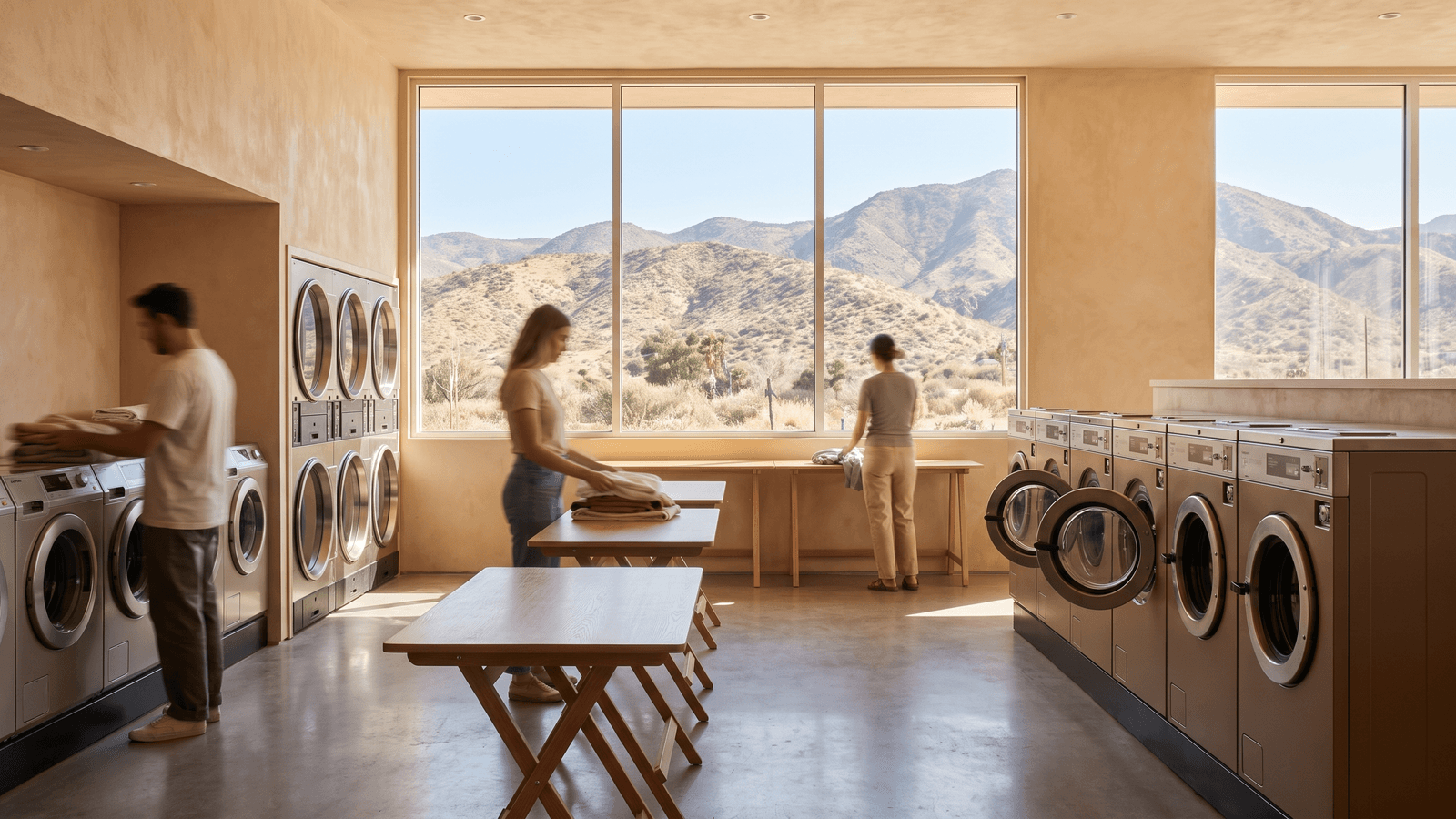
Buying a laundromat in Utah means stepping into one of the fastest-growing states in the country, where a young population, university towns, and the Silicon Slopes tech corridor keep demand steady. Most self-service laundromats in Utah trade on a multiple of seller's discretionary earnings (SDE), commonly around 3.0x to 4.5x depending on lease terms, equipment age, and location strength. Expect to verify utility costs closely, since the desert climate makes water and sewer pricing a real factor. Do careful due diligence, confirm the numbers, and work with a CPA and attorney before you sign anything.
Contents - The Utah market - Where the demand is - What to check in Utah - Financing and costs - Utah permits and rules - A worked example - Where to look
The Utah market Utah blends rapid population growth with a renter-heavy young workforce, which is a favorable backdrop for laundromats. The state has consistently ranked among the national leaders for population and job growth, and much of that expansion lands in apartment-heavy neighborhoods where households rely on shared or off-site laundry. The flip side is that the desert climate makes water and sewer costs a bigger line item than in wetter states, so utility efficiency directly shapes profit. Machines, water rates, and lease terms all feed into the same equation, and a store that looks strong on gross revenue can look very different once utilities are counted. Learn how to translate these factors into a number with our guide on how to value a laundromat and the laundromat valuation calculator.
- Growth tailwind. Utah has been one of the fastest-growing states, adding households that need affordable laundry access in newer and older neighborhoods alike.
- Young, mobile population. A large share of renters and students means steadier turnover of wash-and-dry customers than in owner-heavy suburbs.
- Water-cost sensitivity. In a desert climate, water and sewer rates and efficiency matter a lot. High-efficiency machines and low-flow upgrades can meaningfully change your bottom line.
- Tech-driven jobs. Employment growth around the Silicon Slopes corridor in cities like Lehi and Draper supports both wash-and-fold demand and route-based commercial laundry pickups, adding an income stream beyond quarters and cards.
Where the demand is Utah's opportunity is concentrated along the Wasatch Front and in fast-growing satellite cities. Here is a quick read on the metros buyers watch most.
| Metro | Why it matters |
|---|---|
| Salt Lake City | Largest metro, dense rental neighborhoods, and a diverse customer base for both self-service and wash-and-fold. |
| Provo and Orem | Brigham Young University drives a large student renter pool and predictable seasonal turnover. |
| Ogden | Established working population and older housing stock support steady neighborhood laundromat demand. |
| Lehi and St. George | Silicon Slopes tech growth in Lehi and rapid population gains in St. George create newer, expanding trade areas. |
When you compare specific storefronts, weigh foot traffic, parking, and rooftop density using our guide on what makes a great laundromat location.
What to check in Utah Diligence is where a good price becomes a good deal. Work through a structured due diligence checklist for laundromat buyers and pay special attention to these Utah-specific points.
- Water and utility costs. Pull 12 to 24 months of water, sewer, gas, and electric bills. In a desert market these can swing profitability, so confirm rates and any pending municipal increases.
- Equipment age and condition. Note the make, model, and age of every washer and dryer. Aging machines mean higher water use and near-term replacement capital.
- The lease. Terms, remaining years, renewal options, and rent escalations can make or break resale value. Review it carefully using our guide on reviewing a laundromat lease.
- Real revenue verification. Reconcile the seller's claims against utility usage, coin or card processor reports, and bank deposits. Water consumption is a useful cross-check on stated turns.
- Competition and trade area. Map nearby laundromats and ask whether recent population growth has already attracted new competitors, which can dilute a fast-growing area's promise. A booming suburb that adds two modern stores can leave an older location fighting for the same customers, so count the seats and machines around you, not just the rooftops.
Financing and costs Many Utah laundromat purchases fit the SBA 7(a) profile, since these are cash-flowing businesses with equipment and, sometimes, real estate. Model your payment before you commit using the SBA loan payment calculator, and read our overview of financing options.
- Down payment. SBA-backed deals commonly require a buyer equity injection, often in the range of 10 to 20 percent, plus reserves for working capital.
- Rent as a percentage of revenue. Keep occupancy cost in a healthy band. Test it with the rent-to-revenue calculator before you assume the lease is affordable.
- Equipment reserve. Budget for near-term washer and dryer replacement, especially where machines are older or water-inefficient.
- Working capital. Set aside cash for utilities, repairs, and slow early months while you learn the store's rhythm.
- Utility trend. In Utah, factor expected water and sewer rate increases into your projections, since these costs tend to rise and directly reduce net cash flow.
Once you have your inputs, pressure-test the whole deal with the deal analyzer and confirm your earnings figure with the SDE calculator.
Utah permits and rules Requirements vary by city and county, so confirm the specifics with your local municipality, county health department, and water or sewer authority before closing. Use these categories as a starting checklist, not a final list.
- Business licensing. Most Utah cities require a local business license, and you may need to register your entity with the state and obtain a sales tax account.
- Plumbing and building permits. Any equipment changes, new installs, or tenant improvements typically require permits and inspections.
- Wastewater and water rules. Municipal water and sewer authorities may have connection, discharge, or efficiency requirements that affect both cost and buildout.
- Zoning, signage, and health. Confirm the use is properly zoned, that signage complies with local code, and whether any health or attended-store rules apply.
None of this is legal advice. Confirm every requirement with a qualified attorney, a CPA, and the relevant local agencies.
A worked example Imagine a Salt Lake area laundromat with an SDE somewhere between $82,000 and $98,000 per year after you verify the books. At a 3.0x multiple, that points to roughly $246,000 to $294,000. At a 4.5x multiple, the same earnings support about $369,000 to $441,000. The spread reflects real differences: a long, favorable lease, newer efficient equipment, and a growing trade area push toward the high end, while short lease terms, aging machines, or rising water costs pull toward the low end. That range, from roughly $246,000 to $441,000 on the same store, is why two buyers can look at identical revenue and reach very different offers. Your job in diligence is to figure out which end of the range the specific store actually deserves.
These numbers are illustrative only. Build your own with the valuation calculator, confirm earnings with the SDE calculator, and check the financing with the SBA loan payment calculator.
Where to look Finding the right Utah store is a process, not a single search. Here is how to run it.
- Browse active inventory. Start with current laundromat listings and filter for Utah metros like Salt Lake City, Provo, Ogden, and St. George.
- Set alerts. Good stores move quickly, so create alerts and stay ready to act when a fresh listing matches your criteria.
- Follow a repeatable process. Work through the buyers roadmap and our guide on how to buy a laundromat so you evaluate each opportunity the same disciplined way.
Utah's growth story is real, but the best deals still come from patient searching and careful verification. Do the diligence, confirm the numbers with professionals, and you can buy into one of the country's most dynamic laundry markets with confidence.
Frequently asked questions
Where is laundromat demand strongest in Utah?
Demand concentrates along the Wasatch Front, led by Salt Lake City with its dense rental neighborhoods. Provo and Orem draw a large student renter pool from Brigham Young University, while Ogden offers steady neighborhood demand. Fast-growing Lehi and St. George add newer, expanding trade areas.
How is a laundromat valued in Utah?
Most Utah laundromats are priced on a multiple of seller's discretionary earnings (SDE), commonly around 3.0x to 4.5x. Lease strength, equipment age, and location push the multiple up or down. Verify the earnings figure yourself before trusting any asking price.
Can I use an SBA loan to buy a Utah laundromat?
Yes, many Utah laundromat purchases fit the SBA 7(a) profile because they are cash-flowing businesses with equipment. Buyers commonly contribute an equity injection in the 10 to 20 percent range plus reserves. Model the payment and confirm terms with a lender before committing.
What permits and rules apply to Utah laundromats?
Requirements vary by city and county. You will typically need a local business license, permits for plumbing or building changes, and compliance with municipal water and sewer rules. Zoning, signage, and health requirements also apply, so confirm specifics with local agencies.
How is sales tax treated for Utah laundromats?
Tax treatment depends on how services are delivered and can differ between self-service and attended wash-and-fold. You may need to register for a Utah sales tax account. Because rules change and vary by service type, confirm your obligations with a CPA and the Utah State Tax Commission.