Buying a Laundromat in Vermont
SudsList Editorial · Jul 27, 2026
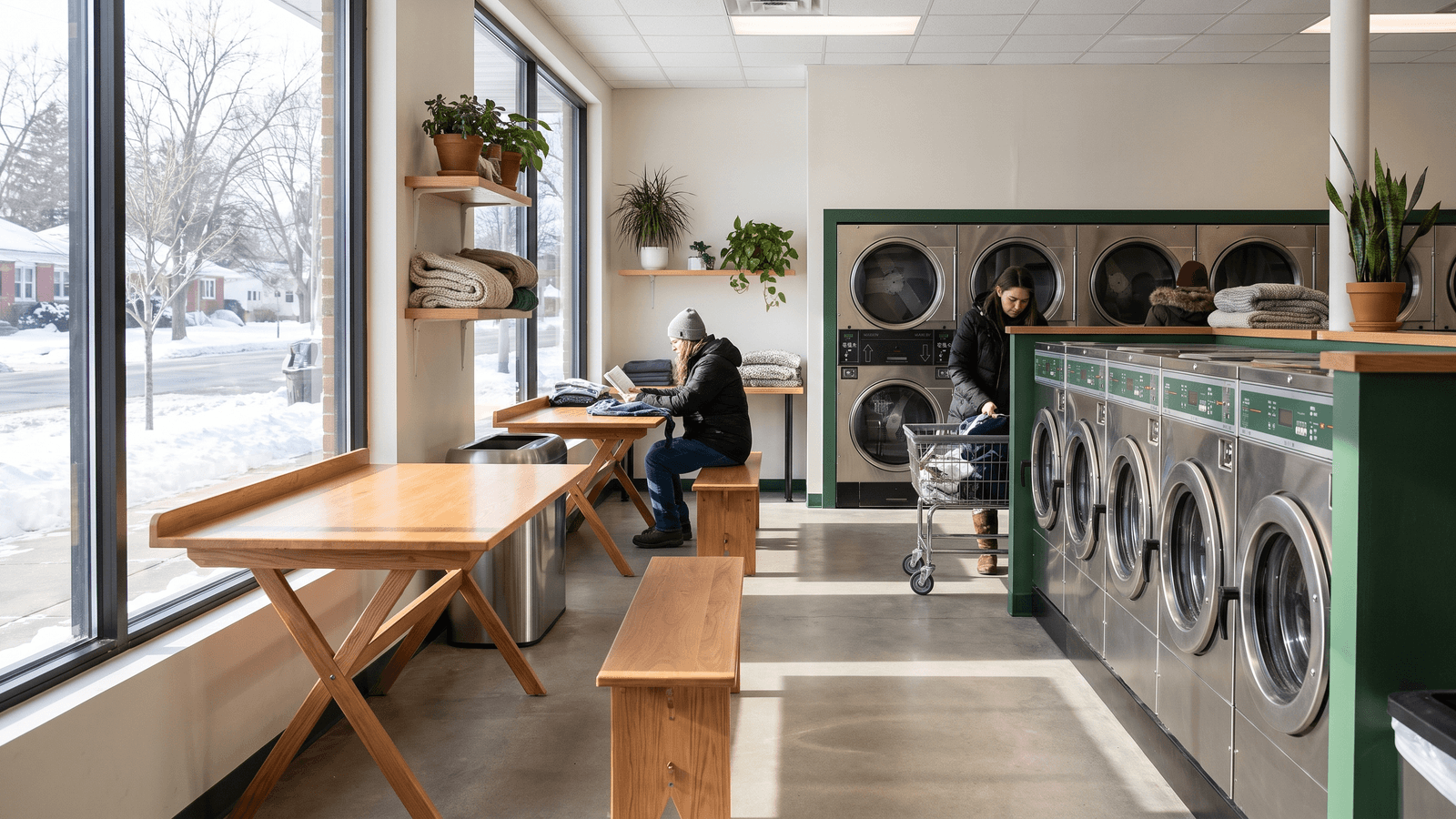
Buying a laundromat in Vermont means operating in a small, tight-knit market where cold winters, older housing, and college-town and tourism demand shape how a store performs. Vermont has fewer stores than larger states, so competition is often local rather than crowded, but heating costs and seasonality matter more here than almost anywhere else. Expect to verify real utility bills, water and sewer arrangements, equipment age, and lease terms carefully. Well-run laundromats commonly trade at roughly 3.0x to 4.5x seller's discretionary earnings (SDE), and confirming the true numbers is the heart of any purchase.
Contents - The Vermont market - Where the demand is - What to check in Vermont - Financing and costs - Vermont permits and rules - A worked example - Where to look
The Vermont market
Vermont is one of the smallest laundromat markets in the country, which cuts both ways. Fewer stores means less direct competition in many towns, but a small population also caps the customer base, so location and reliability matter more than scale. A single well-placed store can serve a wide trade area when the nearest alternative is several towns away, yet a poorly located one struggles to find enough volume to cover fixed costs. Because inventory is limited, buyers often wait longer to find the right store, then move decisively when one appears. Before you make an offer, learn how to value a laundromat and run the numbers through a laundromat valuation calculator.
- Winter heating drives costs. Vermont winters are long and cold, so gas, oil, or electric heating for the space and hot water can be a major line item that eats into margin. Heating water for washers is a year-round cost that spikes in the coldest months, so an efficient water heater and well-maintained machines directly protect profit.
- Seasonality is real. Ski-town traffic peaks in winter, tourism swells in summer and fall foliage season, and student demand ebbs when the university is out, so monthly revenue can swing meaningfully from one quarter to the next.
- Older housing supports demand. Much of Vermont's housing stock is older, with limited in-unit laundry, which keeps a steady base of renters and homeowners using laundromats even in smaller towns.
- Small markets reward loyalty. In tight communities, a clean, dependable store with working machines builds repeat customers quickly and defends its trade area against newcomers.
Where the demand is
Demand concentrates around the state's population centers, its university town, and its tourism corridors, where renter density and foot traffic are highest.
| Town | Why it matters |
|---|---|
| Burlington and South Burlington | Largest metro plus University of Vermont students who often lack in-unit laundry. |
| Rutland | Regional hub for southern and central Vermont with steady year-round residents. |
| Montpelier and Barre | State capital and its neighbor concentrate workers, renters, and services. |
| Brattleboro | Southern gateway town with tourism traffic and a dense rental core. |
When you evaluate a specific address, weigh the fundamentals in what makes a great laundromat location, including parking, visibility, renter density, and nearby competition.
What to check in Vermont
Work through a full due diligence checklist for laundromat buyers, and pay extra attention to the items that make Vermont distinct.
- Utilities and heating. Pull 12 to 24 months of gas, oil, electric, water, and sewer bills. Cold-climate hot-water and space-heating costs can be higher than sellers estimate.
- Equipment age and condition. Ask the make, model, and age of every washer and dryer. Older machines mean higher water and energy use and looming replacement costs.
- Lease terms. Review the lease closely for remaining term, renewal options, rent escalations, and who pays for utilities and repairs.
- Real revenue and seasonality. Verify collections against bank deposits and, where possible, machine counters. Map at least a full year of the monthly pattern so tourism peaks and student cycles do not surprise you after closing.
- Competition and trade area. Drive the surrounding blocks, note nearby stores and their condition, and confirm the renter base actually supports the volume the seller claims. In small towns, one competing store can meaningfully change the math.
Financing and costs
Many laundromat purchases fit the SBA 7(a) program well because the business includes equipment and steady cash flow that lenders can underwrite. Vermont's smaller deal sizes can also make financing more approachable, though the same diligence still applies. Model your payment before you commit so you know the store cash flows after debt service.
- SBA loans. Estimate monthly obligations with the SBA loan payment calculator and read the overview on the financing page.
- Down payment. Plan for a meaningful buyer contribution, commonly a portion of the purchase price, plus closing costs and reserves.
- Rent load. Keep occupancy sustainable. A rent-to-revenue calculator helps you judge whether the lease leaves room for profit.
- Working capital. Budget for early repairs, a utility deposit, and a cushion for slower shoulder-season months.
- Replacement reserve. Set aside cash for aging machines so a failure does not stall the store.
Once you have real figures, test the whole deal in the deal analyzer and confirm earnings with the SDE calculator.
Vermont permits and rules
Requirements vary by town and city, so confirm the specifics with the relevant local and state agencies before you close. Use these as a starting point, not a final list.
- Business licensing. Register your business entity with the Vermont Secretary of State and set up any required state tax accounts.
- Plumbing and building permits. Any changes to plumbing, electrical, or the buildout may require permits and inspections at the municipal or state level.
- Wastewater and water rules. Laundromats use significant water and discharge, so confirm sewer, wastewater, and any water-use requirements with the town and the state.
- Zoning, signage, and health. Check local zoning, sign permits, and any applicable health or fire-safety rules for the specific address.
None of this is legal advice, so confirm your obligations with a Vermont CPA, an attorney, and the local agencies before you commit.
A worked example
Imagine a store with verified SDE of roughly $75,000 to $90,000 per year. At a 3.0x multiple, an $80,000 SDE points to about $240,000, while at 4.5x the same earnings suggest roughly $360,000. That spread of around $120,000 on identical earnings reflects real differences: lease quality, equipment age, heating costs, location, and how clean the books are. A store with newer machines, a long stable lease, and documented year-round revenue earns the higher end. One with aging equipment, a short lease, or heavy winter utility costs sits lower. This is exactly why verifying the earnings and the lease matters more than negotiating the multiple, because a slightly lower SDE or a shorter lease can move the fair price by tens of thousands of dollars.
Test any asking price against the earnings using the valuation calculator and the SDE calculator, then check whether the loan payment leaves cash flow with the SBA loan payment calculator. These numbers are illustrative only and every store is different.
Where to look
- Browse current laundromat listings and filter for Vermont to see what is available near Burlington, Rutland, Montpelier, and Brattleboro.
- Set alerts so new Vermont stores reach you early, since small markets have limited inventory and good stores move fast when they are priced fairly.
- Follow a clear process using the buyers roadmap and the guide on how to buy a laundromat.
Vermont rewards patient, detail-focused buyers who verify utilities, leases, and seasonal revenue before signing. Do the diligence, confirm the numbers with local professionals, and a well-placed store in the right town can be a durable, community-anchored business that holds up through every season of the Vermont year.
Frequently asked questions
Where is laundromat demand strongest in Vermont?
Demand concentrates in Burlington and South Burlington, where University of Vermont students often lack in-unit laundry. Rutland, Montpelier, Barre, and Brattleboro also support steady renter-based demand. Older housing stock across the state keeps a reliable base of laundromat customers.
How are Vermont laundromats valued?
Most laundromats are valued on a multiple of seller's discretionary earnings (SDE), commonly around 3.0x to 4.5x. Newer equipment, a long stable lease, and documented year-round revenue push toward the higher end. Verify the earnings yourself before trusting any asking price.
Can I use an SBA loan to buy a Vermont laundromat?
Yes, many buyers finance laundromats through the SBA 7(a) program because the business includes equipment and steady cash flow. Expect a meaningful down payment plus closing costs and reserves. Model the monthly payment against verified earnings before you commit.
What permits and rules apply to a Vermont laundromat?
Requirements vary by town and city, so confirm specifics with local and state agencies. Common items include business registration, plumbing and building permits, wastewater and water-use rules, and local zoning, signage, and health requirements. This is not legal advice, so consult an attorney and a CPA.
How is sales tax treated for Vermont laundromat services?
Sales-tax treatment of coin and card laundry services can differ from retail goods, and rules change over time. Confirm the current treatment with the Vermont Department of Taxes and a qualified CPA. Do not rely on general guidance for your specific store and setup.