Do You Need a License to Own a Laundromat?
SudsList Editorial · Jun 27, 2026
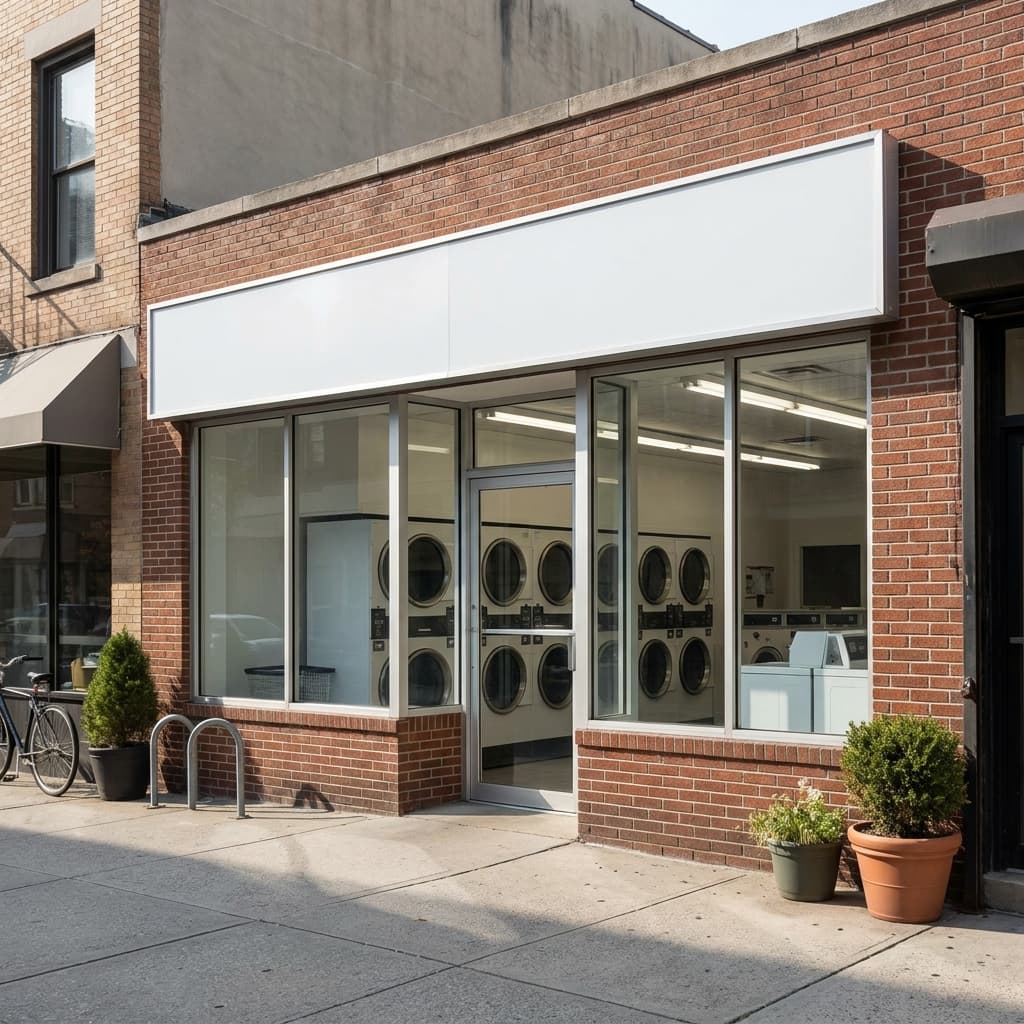
There is no special laundromat license, but you do need the ordinary registrations any business carries plus a handful of local permits tied to running a water-using storefront. Exact requirements vary by city and state, so the real task is confirming the specific list with your local authorities before you close.
Contents
- Is there a laundromat license
- Common permits and registrations
- Why requirements vary by location
- A worked example
- What to confirm before buying

Is there a laundromat license
No single federal or state document called a laundromat license exists. What you need instead is a registered business entity and the same local business license, tax registrations, and permits that any retail storefront needs, plus a few specific to water, wastewater, and signage. People searching for a laundromat license are usually really asking which of these standard items apply, and the answer depends on where the store sits.
Common permits and registrations
Depending on the location, expect some combination of:
- A registered business entity, such as an LLC, and a federal EIN from the IRS
- A local business license or tax certificate from the city or county
- A state sales tax permit if you sell wash-and-fold, vending, or retail goods
- Building, occupancy, and signage permits for the space
- Utility and wastewater approvals tied to the equipment
The SBA permits guide is a useful starting map, but it cannot replace a call to your local offices.
| Registration or permit | When you need it |
|---|---|
| Business entity and federal EIN | Forming an LLC or hiring employees |
| Local business license or tax certificate | Almost always, from the city or county |
| State sales tax permit | If you sell wash-and-fold, vending, or retail goods |
| Building, occupancy, and signage permits | For the space and any remodel |
| Utility and wastewater approvals | Tied to the water-using equipment |
Why requirements vary by location
Licensing is set at the city, county, and state level, so two stores an hour apart can have different lists. One city may require a specific business license and a wastewater permit; the next may fold everything into a general business tax certificate. This is exactly why a generic checklist found online is a starting point and not a guarantee. Treat the local authorities as the source of truth.

A worked example
Say you are buying an existing store in a mid-sized city. You call the city business-licensing office and learn you need a local business tax certificate of about $100 a year, confirm the existing occupancy permit transfers, and register for a state sales tax permit because the store sells single-load soap and runs a small wash-and-fold. None of it is expensive, but two of the three must be in your name before you operate, which is why you start the process during escrow rather than after closing.
What to confirm before buying
Ask the seller which licenses and permits the store currently holds and whether each transfers or must be reissued in your name. Some transfer with the business; others, like a business license, are issued to the owner and must be reapplied for. Build this into your due diligence checklist so there is no gap the day you take over, and see how to buy a laundromat for how it fits the overall process. Once you are operating, how to run a laundromat covers keeping these current. When you are ready, browse laundromats for sale.
How your services change the requirements
The permits a store needs depend heavily on what it does. A pure self-service, coin or card laundromat with no staff has the lightest footprint: a business registration, a local license, and the utility and wastewater approvals tied to the equipment. The moment you add attended hours or wash-and-fold, you usually trigger a sales tax permit on the retail service and, once you hire, employer registrations for payroll taxes and workers compensation. Add pickup and delivery and you may need vehicle registrations and, in some cities, additional business-activity permits. None of this is a reason to avoid higher-revenue services, but it is a reason to confirm the full list for the specific mix of services you plan to run, not just for a laundromat in the abstract.
Common licensing mistakes buyers make
The most frequent mistake is assuming the seller's permits come with the building. Many do not. A business license is typically issued to a person or entity and has to be reissued in your name, and an assumed seller permit that lapses can mean operating unlicensed on day one. A second mistake is starting too late, since several registrations take days or weeks to process, so begin during escrow rather than after closing. A third is ignoring the wastewater and signage permits, which are easy to overlook because they are not the headline license but can carry fines if missing. Finally, buyers sometimes rely on a checklist they found online for a different city; treat any generic list, including this one, as a prompt to call the local offices rather than a final answer.
Build it into the deal
Make licensing part of your written due diligence rather than a loose end. Ask the seller for copies of every current license and permit, confirm with each issuing office whether it transfers or must be reissued, and get the timeline in writing so nothing stalls the closing. A store that cannot produce its permits, or whose permits reveal an unresolved code issue, is telling you something, which is why this overlaps with the red flags worth watching for. Handled early, licensing is routine paperwork; handled late, it is the thing that keeps a freshly bought store dark while you wait on the city.
What licensing costs and how long it takes
For most laundromats the licensing bill is modest, but the timeline is what catches buyers off guard. Local business licenses and tax certificates commonly run from a small flat fee up to a few hundred dollars a year, often scaled to revenue or square footage. A state sales tax permit is usually free or nearly so to register. Building, occupancy, and signage permits depend on whether you change anything physical; taking over an operating store as-is generally avoids new construction permits, while a remodel can trigger them. Wastewater or industrial-discharge approvals vary widely by municipality and are the item most likely to carry a real cost where they apply.
Time, not money, is the bigger constraint. Some registrations are issued the same day online, but others, especially anything requiring an inspection or a sign-off from a utility or health department, can take weeks. Because a few of these must be in your name before you can legally operate, a slow permit can hold up your opening even after closing. The practical move is to get the full list early, file everything you can during escrow, and track each item to completion so the day you take the keys you can also turn on the open sign. Fold the confirmed costs into your startup budget the same way you would equipment or working capital, since they are part of the true cost of getting the store running under your ownership.
Licenses are not a one-time task, either. Most local licenses and sales tax permits renew annually, and a missed renewal can mean penalties or a lapse that technically puts you out of compliance. Set reminders for every renewal date, keep digital copies of each certificate, and update registrations when you change your services or business structure. Treating licensing as routine upkeep rather than a closing-day scramble keeps the store on the right side of the city for as long as you own it.
Frequently asked questions
Is there a special laundromat license?
No. You need a registered business and the standard local business license, tax registrations, and permits, plus any tied to water-using equipment and signage.
Do permits transfer when I buy a laundromat?
Some transfer with the business and some must be reissued in your name. A business license is usually issued to the owner and must be reapplied for. Confirm each with the seller and local authorities.
Do I need a sales tax permit for a laundromat?
Often, if you sell wash-and-fold, vending, or retail goods. Coin self-service is treated differently in many states, so check your state's rules.
Do I need an EIN to own a laundromat?
If you form an entity or have employees, yes. You can apply for an EIN free from the IRS.
Where do I confirm the exact requirements?
With your city and county business-licensing offices and your state revenue department, since requirements vary by location.