The Hidden Costs of Buying a Laundromat
SudsList Editorial · Jun 26, 2026
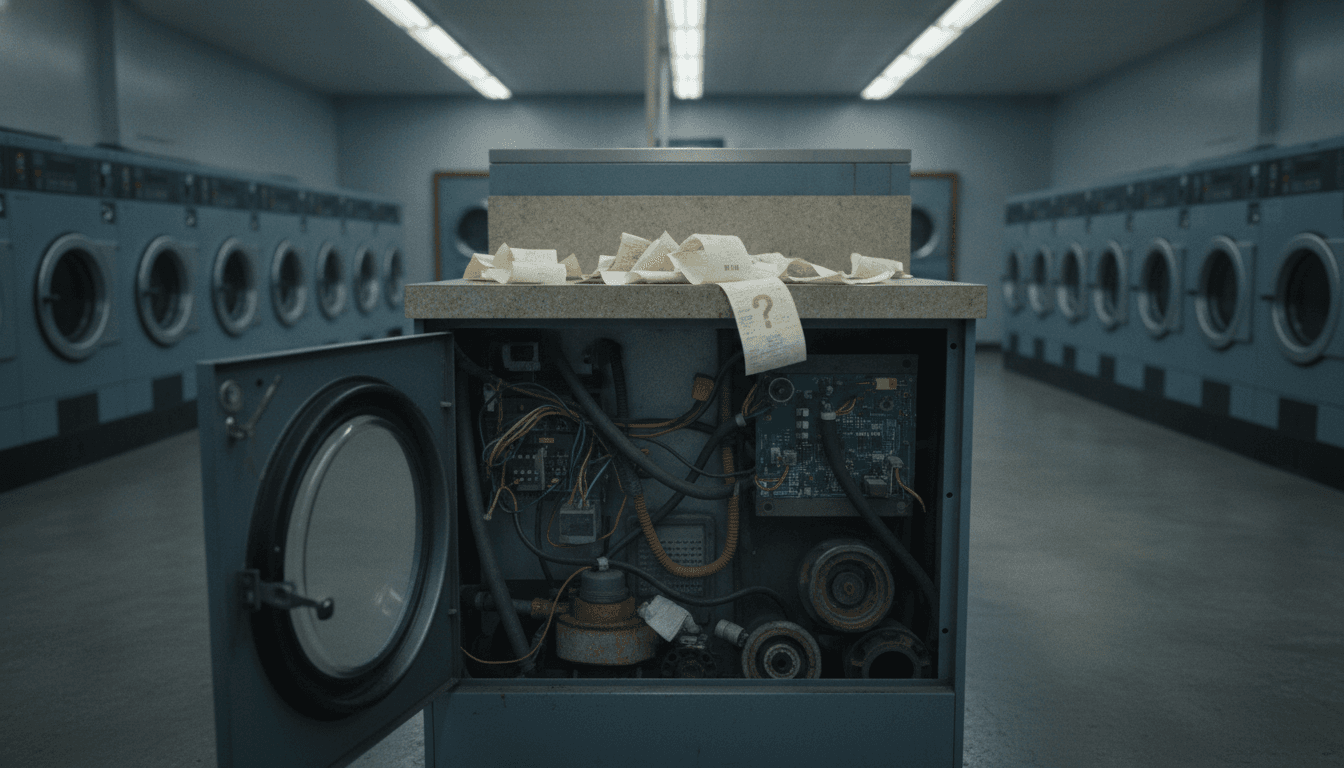
The hidden costs of buying a laundromat are the expenses beyond the purchase price, and they routinely add a meaningful amount on top of the sticker number. Closing and legal costs, working capital, security and utility deposits, deferred maintenance, and looming equipment replacement are the items buyers most often forget to budget. The asking price tells you what you pay the seller; it does not tell you what it costs to actually own and run the store from day one. This guide covers the costs that catch buyers off guard and how to plan for them.
Key takeaways
- The purchase price is not your all-in cost; closing costs, reserves, deposits, and repairs add to it.
- Budget working capital, money to run the store and cover surprises in the first months, on top of the down payment.
- Deferred maintenance and equipment near the end of its life are the most expensive hidden costs, sometimes tens of thousands.
- Lease transfer, license transfers, and utility deposits are smaller surprises that still need cash at closing.
- Build a reserve before you buy; a store that consumes all your cash at closing has no cushion for its first breakdown.

In this guide
- What hidden costs do laundromat buyers overlook?
- What does the full cost beyond the price look like?
- What are the closing and transaction costs?
- How much working capital do you need?
- What about deferred maintenance and equipment replacement?
- Which hidden costs are negotiable?
- A worked example: price vs all-in cost
- Do hidden costs differ for a startup vs an existing store?
- How do you budget for the hidden costs?
What hidden costs do laundromat buyers overlook?
Buyers overlook everything that is not the purchase price: the costs of closing the deal, the cash to operate the store, the deposits required to take over, and the repairs the previous owner deferred. Each is real, and together they meaningfully raise what it actually costs to own the business.
The headline price is the most visible number, so it gets all the attention, while the items below get discovered after the fact. Planning for them is part of understanding how much it really costs to buy a laundromat and how much money you need to do it safely.
What does the full cost beyond the price look like?
Beyond the price, expect a stack of one-time and early-ownership costs. The table below lays out the usual categories, their rough size, and when the cash is due, so none of them surprises you at the closing table.
| Cost beyond the sticker price | Rough size | When you pay it |
|---|---|---|
| Legal review + lease assignment | Low thousands | At closing |
| License / permit transfers | Hundreds to low thousands | At or just after closing |
| Loan origination fees (if financing) | A small percent of the loan | At closing |
| Utility + security deposits | A few thousand | At closing |
| Working-capital reserve | Several months of operating costs | First months |
| Deferred maintenance / equipment replacement | Can reach tens of thousands | First year |
These ranges are deliberately broad because they scale with the size of the store and the deal. The point is to budget for every row, not to treat the down payment as the whole cost of entry.
What are the closing and transaction costs?
These are the fees to complete the purchase, separate from the price you pay the seller. They are easy to forget because they go to third parties, not the seller, but they require cash at closing.
Typical closing and transaction costs include:
- Legal fees for an attorney to review the purchase agreement and lease assignment.
- Lease transfer or assignment costs, and sometimes a fee or new deposit required by the landlord.
- Loan fees. If you finance, expect origination and related fees; the U.S. Small Business Administration outlines the costs associated with its loan programs.
- License and permit transfers, including business licenses and any local laundromat-specific permits.
- Escrow, title, or filing fees, particularly if real estate is involved.
None of these is enormous on its own, but combined they require real cash on the day you close, on top of your down payment.
How much working capital do you need?
You need enough cash to operate the store and absorb surprises through the early months, before you understand its rhythms. Working capital is the most commonly skipped item, and running short is how buyers get into trouble even with a good store.
Working capital covers the first rounds of rent and utilities, supplies, payroll if the store is attended, and an unexpected repair or two while you learn the business. A buyer who spends every dollar on the down payment and closing has no cushion, so the first failed water heater becomes a crisis instead of an inconvenience. Treat a reserve as part of the cost of entry, not an optional extra, and factor it into your financing plan from the start.
What about deferred maintenance and equipment replacement?
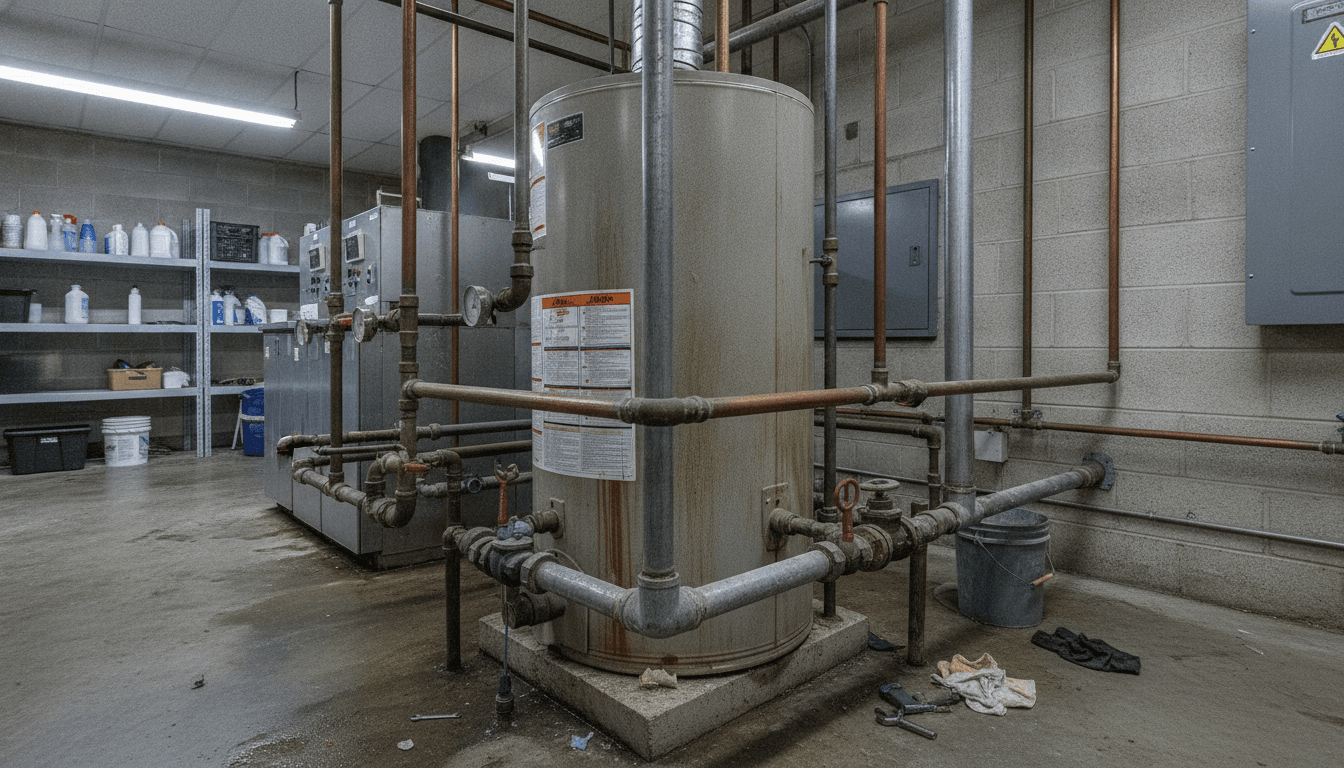
This is usually the largest hidden cost, because machines and building systems near the end of their life become your bill soon after closing. A store can look fine while hiding worn equipment and postponed repairs.
Two things to price in:
- Deferred maintenance. Sellers preparing to exit often stop spending on upkeep. Failing water heaters, plumbing, electrical issues, and tired machines can surface within months. A suspiciously low repair line on the books is a warning sign, not a saving.
- Equipment replacement. Commercial washers and dryers last 15 to 20 years, so a fleet near that age represents a major capital expense you will fund, not the seller. Get the age, make, and model of every machine and estimate the replacement timeline. Replacing old machines with efficient models also cuts utilities; the U.S. EPA's Energy Star program documents the water and energy savings, which partly offsets the cost over time.
These items belong in your offer and your due diligence, because they directly change what the store is worth to you.
Which hidden costs are negotiable?
Some hidden costs can be shifted to the seller or priced into your offer; others are simply yours. Knowing which is which is where due diligence turns into dollars.
Negotiable or offer-adjusting items include known equipment replacement and deferred maintenance, you can reduce your offer by a realistic estimate once an inspection reveals them, and sometimes deposits or transfer fees the seller agrees to cover. Costs that are usually just yours include your own legal fees, loan fees, and the working-capital reserve. The lesson is that the inspection and document review are not box-checking; every problem you surface is a number you can bring to the table. A store with $30,000 of imminent machine replacement is worth roughly $30,000 less to you, and a documented finding is far more persuasive than a vague concern.
A worked example: price vs all-in cost
Suppose a laundromat is listed at $300,000. A buyer planning only for the price, or just the down payment, is underestimating the real entry cost.
Add roughly $8,000 in legal, lease-transfer, and license costs; $3,000 in loan fees; $5,000 in utility and security deposits; and a sensible $25,000 working-capital reserve. That is about $41,000 beyond the price, before any repairs. Now suppose the inspection shows two water heaters near failure and several aging dryers, implying $30,000 of near-term replacement.
The $300,000 store is really a $341,000-plus commitment once you include closing, reserves, and known repairs, and that is on top of the down payment math. The lesson is not that the store is a bad deal; it is that the true cost is well above the asking price, and a buyer who plans only for the sticker runs out of cash exactly when the store needs it. Test the full figure in the calculators.
Do hidden costs differ for a startup vs an existing store?
Yes. Building a laundromat from scratch and buying an existing one carry different hidden costs, even though both exceed the obvious price. A build-out front-loads construction, permitting, utility upgrades, and a long ramp-up period with little revenue while customers find you. An existing store front-loads less construction but carries the seller's deferred maintenance and any aging equipment you inherit on day one.
The reserve you need differs too. A startup needs enough runway to survive months of thin collections before the store matures; an existing store with proven cash flow needs enough to absorb repairs and a slow transition. Our guide to startup costs and build vs buy compares the two paths in detail.
The common thread is that neither path is just the headline number: a build hides its costs in time and construction, and a purchase hides them in the previous owner's postponed upkeep. A buyer who assumes a finished, busy store will behave like the day they tour it, or that a build will fill up the month it opens, is the one who runs short. Whichever route you take, budget the full picture, not the most visible line.
How do you budget for the hidden costs?
Budget the all-in number, not the price, and build a reserve before you close. The goal is to enter ownership with a cushion rather than on empty.
- List every cost beyond the price: closing, legal, deposits, transfers, and loan fees.
- Add a working-capital reserve sized to cover several months of operating costs and at least one significant repair.
- Price known repairs and replacements from the equipment inspection into your offer or your reserve.
- Leave room for the unknown. Some surprise always appears in the first year; plan as if it will.
A buyer who does this negotiates from strength and survives the early bumps. The Coin Laundry Association's operating resources can help you sanity-check what a store of a given size should cost to run, which in turn sizes your reserve. A buyer who plans only for the asking price is one breakdown away from regret. When you are weighing real stores, the listings are the place to start pressure-testing the numbers.
Frequently asked questions
What costs are there beyond a laundromat's purchase price?
Closing and legal fees, lease transfer and license costs, loan fees, utility and security deposits, working capital to run the store, and deferred maintenance or equipment replacement. Together these routinely add a meaningful amount on top of the asking price, so the sticker number understates what it costs to own the store.
How much working capital do I need to buy a laundromat?
Enough to cover several months of rent, utilities, supplies, and any payroll, plus at least one significant unexpected repair, while you learn the business. The exact figure depends on the store's size and expenses, but treat a reserve as a required part of your entry cost, not an optional extra. Spending every dollar at closing leaves no cushion.
What is the biggest hidden cost when buying a laundromat?
Usually deferred maintenance and equipment replacement. Sellers often stop investing in upkeep before selling, so worn machines and postponed repairs become the buyer's bill soon after closing. Because commercial washers and dryers last 15 to 20 years, a fleet near that age represents a major capital expense you will fund yourself.
Are there closing costs when buying a laundromat?
Yes. Even without real estate, expect legal fees, lease assignment costs, license and permit transfers, and, if you finance, loan origination fees. These go to third parties rather than the seller but still require cash at closing, on top of your down payment.
How do I avoid being surprised by hidden costs?
Budget the all-in cost rather than the purchase price: list every closing and deposit cost, add a working-capital reserve, price known repairs from an equipment inspection into your offer, and leave room for the unexpected. Thorough due diligence on the lease and equipment is what surfaces these costs before you commit.