Buying a Laundromat in Illinois
SudsList Editorial · Jul 21, 2026
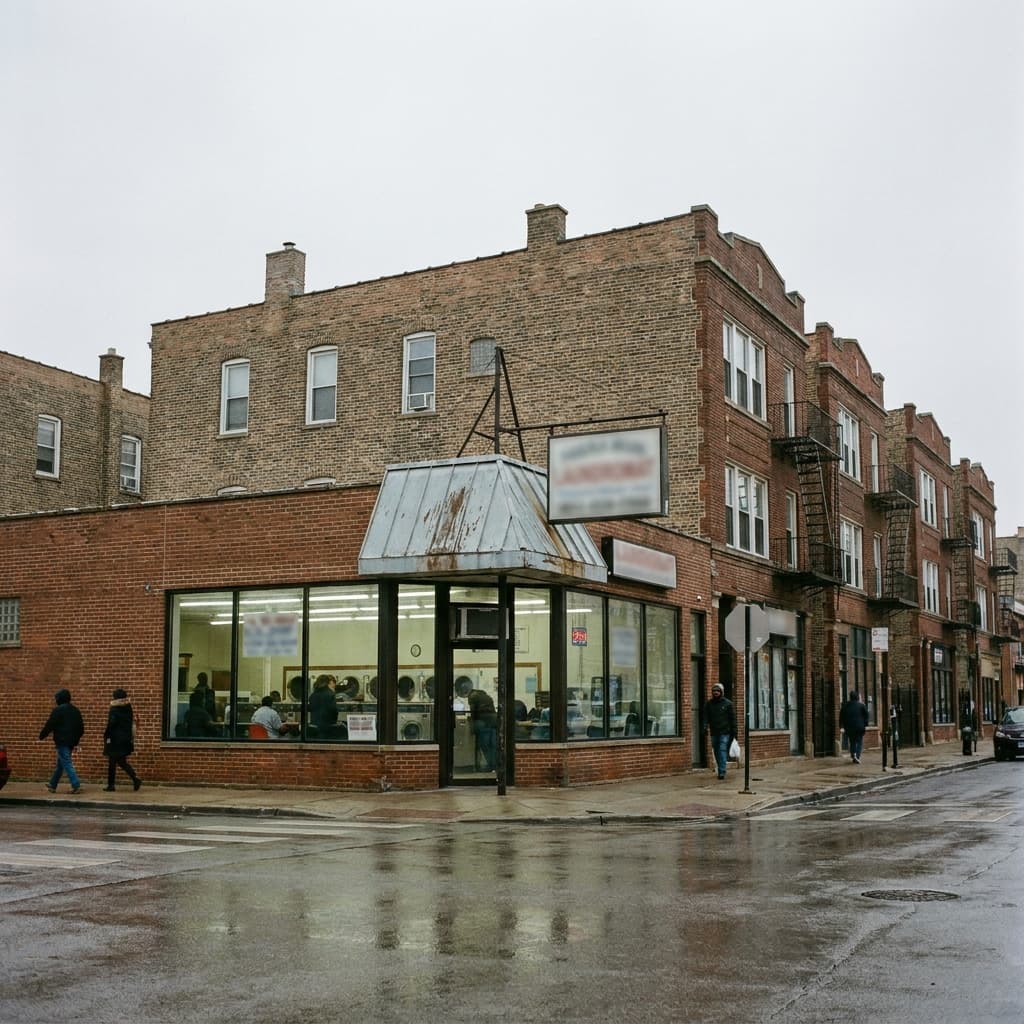
Illinois laundromat demand is anchored by metro Chicago, where dense, renter-heavy neighborhoods drive steady usage. As always, the lease, verified revenue, and equipment determine whether a specific store is worth buying. This guide covers the essentials for a buyer in Illinois.
Contents
- The Illinois market
- Where the demand is
- What to check in Illinois
- Financing and costs
- Illinois permits and rules
- A worked example
- Where to look
The Illinois market
Demand centers on Chicago and its surrounding neighborhoods, where many residents rent and rely on laundromats. The city's dense, transit-oriented neighborhoods sustain steady usage, while the suburbs and downstate markets add further opportunities, often with less competition. Store quality and location matter in competitive urban areas, where a great corner can do very well and a tired store on a weak site struggles even in a busy city.
Where the demand is
Demand concentrates in metro Chicago, with additional markets across the state.
| Market | Why it matters |
|---|---|
| Chicago | By far the largest market, with dense renter neighborhoods |
| Aurora and the suburbs | Steady suburban demand |
| Rockford | A regional market with lower costs |
| Springfield and downstate | Smaller, less competitive markets |
What to check in Illinois
Verify revenue against water usage as in how to verify a laundromat's revenue, read the lease for term and assignment rights, and inspect the equipment. Confirm the water and sewer costs and local permits, which vary by municipality, and watch for the red flags that should slow you down.

Financing and costs
Many buyers use an SBA loan and sometimes seller financing. Model your payments and return with the calculators, and plan for working capital beyond the purchase price as in how much money you need to buy a laundromat. Chicago prices and rents are higher than downstate, so weigh the market against your budget.
Illinois permits and rules
Beyond a registered entity and local business license, expect a sales-tax permit if you sell wash-and-fold, vending, or retail goods, plus building, occupancy, and any wastewater approvals. Chicago in particular has its own business requirements that differ from the suburbs and downstate, so confirm the specific permits with local authorities rather than relying on a general checklist.
A worked example
Suppose a Chicago store collects $220,000 a year in a dense neighborhood but pays city-level rent. After rent, Illinois utilities, and labor, the margin depends heavily on the lease, just as a downstate store with lower rent might keep more on less revenue. Evaluate the lease and utilities as closely as the collections, and run the numbers through the cash flow calculator before making an offer.
Where to look
Browse laundromats for sale in Illinois, then add brokers and direct outreach as in how to find laundromats for sale. Work the due diligence checklist. For general guidance, the SBA is useful, and Energy Star helps you judge equipment efficiency.
Chicago vs downstate
Illinois really offers two kinds of markets. Metro Chicago is dense, busy, and competitive, with strong demand but higher rents and prices, where a great location and a well-run store can do very well. Downstate and the suburbs offer lower costs and less competition, with steadier but smaller demand. Neither is automatically better; the right fit depends on your budget, how active you want to be, and whether you prefer the depth of the Chicago market or the value of a regional one. Evaluate each store on its own numbers rather than on the reputation of its city.
Common mistakes buying in Illinois
The most common mistake is being impressed by Chicago collections without checking what survives the city's rent. A busy Chicago store can keep less than a modest downstate store once the lease is paid. A second mistake is assuming suburban or downstate rules match the city; Chicago has its own requirements. A third is the universal one, skipping diligence because a store looks busy. Verify revenue against water, read the lease, and inspect the equipment regardless of the market.
Financing an Illinois purchase
Chicago prices mean larger loans and down payments than downstate, so plan financing accordingly. Many buyers use an SBA loan, sometimes with seller financing, and lenders weigh the lease and verified cash flow heavily in a high-rent market. Model the payment against conservative earnings with the SBA loan calculator so the debt service stays comfortable even in a slower month, wherever in the state you buy.
Thinking ahead to resale
Buy with the eventual sale in mind. A long, assignable lease, efficient equipment, and clean, verifiable books are what the next buyer will want, and they support a strong price when you exit. Whether in Chicago or downstate, a well-run store with solid records sells more readily, so the lease you secure and the records you keep today are part of what you walk away with later.
The bottom line
Illinois pairs deep, Chicago-anchored demand with a range of suburban and downstate markets, so there is a fit for many budgets and styles. The opportunity is real, but the lease and utilities, especially in the city, decide whether a store is genuinely profitable. Verify the revenue, scrutinize the lease and equipment, underwrite conservatively, and the strong Illinois demand works in your favor. The calculators and the due diligence checklist turn the search into numbers you can act on.
Verify before you commit
Whatever Illinois market you target, the path is the same: confirm the trailing revenue against water usage, read the lease for term and increases, inspect the equipment, and check the local permits. A store that cannot produce documentation, or whose numbers do not reconcile to its water bills, is telling you something regardless of how promising the market looks. In a state with both a major city and many smaller markets, that disciplined diligence is what lets you compare very different stores on the same honest footing.
Frequently asked questions
Is Illinois a good market for laundromats?
Demand is steady, anchored by metro Chicago's dense, renter-heavy neighborhoods where many residents rely on laundromats. Suburban and downstate markets add opportunities.
What should I check in Illinois?
Verified revenue against water usage, the lease term and assignment rights, equipment condition, water and sewer costs, and local permits.
Where are Illinois laundromats concentrated?
Mostly in Chicago and its surrounding neighborhoods, with additional demand in the suburbs, Rockford, and downstate.
Are there special rules in Chicago?
Chicago has its own business requirements that differ from the suburbs and downstate. Confirm city-specific permits and registrations with local authorities.
How much does a Chicago laundromat cost?
More than downstate in absolute terms, given higher city rents and prices. Model your specific deal rather than relying on an average.