Laundromat Promotions That Protect Your Margin
SudsList Editorial · Jul 26, 2026
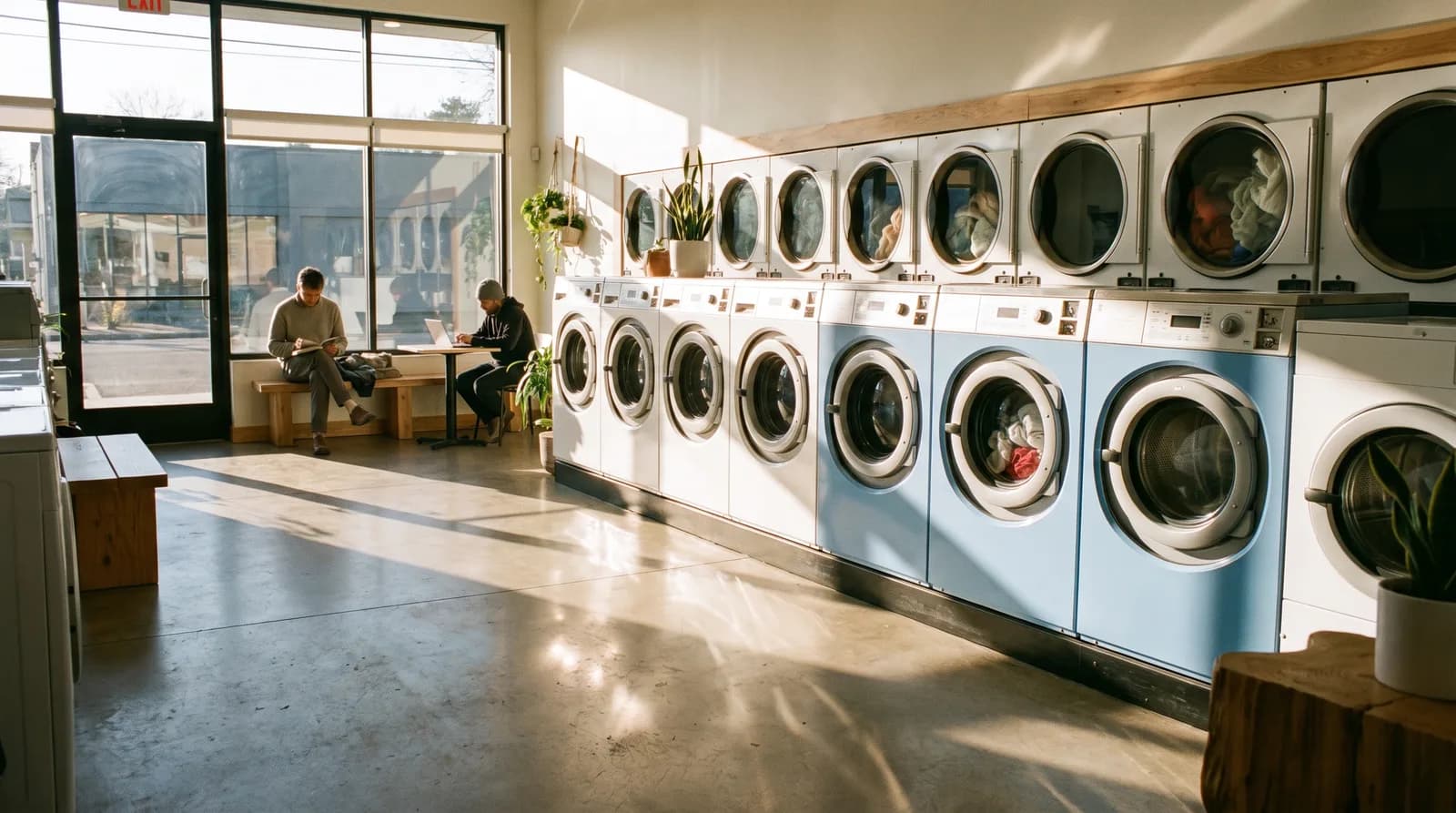
Laundromat promotions protect your margin when they add new turns or shift demand into slow hours, and they destroy it when they simply discount customers who would have paid full price anyway. The difference is targeting: an off-peak deal that fills empty Tuesday-morning machines is nearly free money, while a blanket weekend discount hands cash back to your busiest, most loyal customers for washing they were going to do regardless. Before running any offer, decide whether it is meant to bring in a new customer, move existing demand to a slow window, or grow the higher-margin wash-and-fold side. If a promotion does none of those, it is just a price cut. This guide covers the offers that pay for themselves and how to structure them.
Key takeaways
- A promotion protects margin only if it adds a new turn, fills a slow hour, or grows wash-and-fold; otherwise it discounts business you already had.
- Off-peak deals are the safest promotion, since empty-machine time has almost no marginal cost.
- New-customer and referral offers grow the base; loyalty rewards deepen it without a permanent price cut.
- Blanket discounts during peak hours are the classic margin killer and train customers to wait for deals.
- Track redemptions against turns and utility usage so you know whether an offer actually moved the needle.
Contents
- What makes a laundromat promotion margin-safe?
- Which promotions actually protect margin?
- Why are off-peak discounts the safest offer?
- How do loyalty programs protect margin?
- How should referral offers be structured?
- Which promotions quietly destroy margin?
- How do you measure whether a promotion worked?
What makes a laundromat promotion margin-safe?
A promotion is margin-safe when it produces a turn, a visit, or a service order you would not otherwise have gotten, because the discount is then buying growth rather than giving away existing revenue. The key question for any offer is not how attractive it looks but who redeems it.
Three tests separate a good offer from a leaky one:
- Does it reach a new customer, or only reward people already coming in?
- Does it move demand into slow hours instead of discounting peak times?
- Does it push a higher-margin service like wash-and-fold rather than cheap self-service washes?
An offer that fails all three is a straight price cut. Because a running washer costs mostly the same in water, gas, and electricity whether one customer pays full or discounted, the way to protect margin is to make sure the discount is tied to incremental volume. For the cost side that discounts eat into, see laundromat profit margins explained.
Which promotions actually protect margin?
The promotions that protect margin are off-peak discounts, new-customer offers, loyalty rewards, referral programs, and bundled wash-and-fold deals, because each is aimed at incremental business rather than existing full-price traffic. The table below compares them on what they add and where they leak.
| Promotion | What it adds | Margin risk | Best use |
|---|---|---|---|
| Off-peak discount | Fills empty slow-hour machines | Low | Slow weekday mornings and afternoons |
| New-customer offer | Brings a first-time customer in | Low if limited to first visit | Grand opening, nearby movers |
| Loyalty reward | Repeat visits and higher spend | Low to medium | Ongoing retention |
| Referral offer | New customer via existing one | Low, pay only on a real new visit | Steady base growth |
| Wash-and-fold bundle | Trial of higher-margin service | Medium | Cross-selling self-service users |
| Blanket peak discount | Little, mostly gives revenue back | High | Rarely, avoid |
Notice the pattern: the safe offers are conditional (a slow hour, a first visit, a referral, a bigger order), while the risky one is unconditional. The Coin Laundry Association publishes operating and promotion resources you can adapt rather than guessing. For loyalty and app-based structures, see laundromat loyalty programs and apps.
Why are off-peak discounts the safest offer?
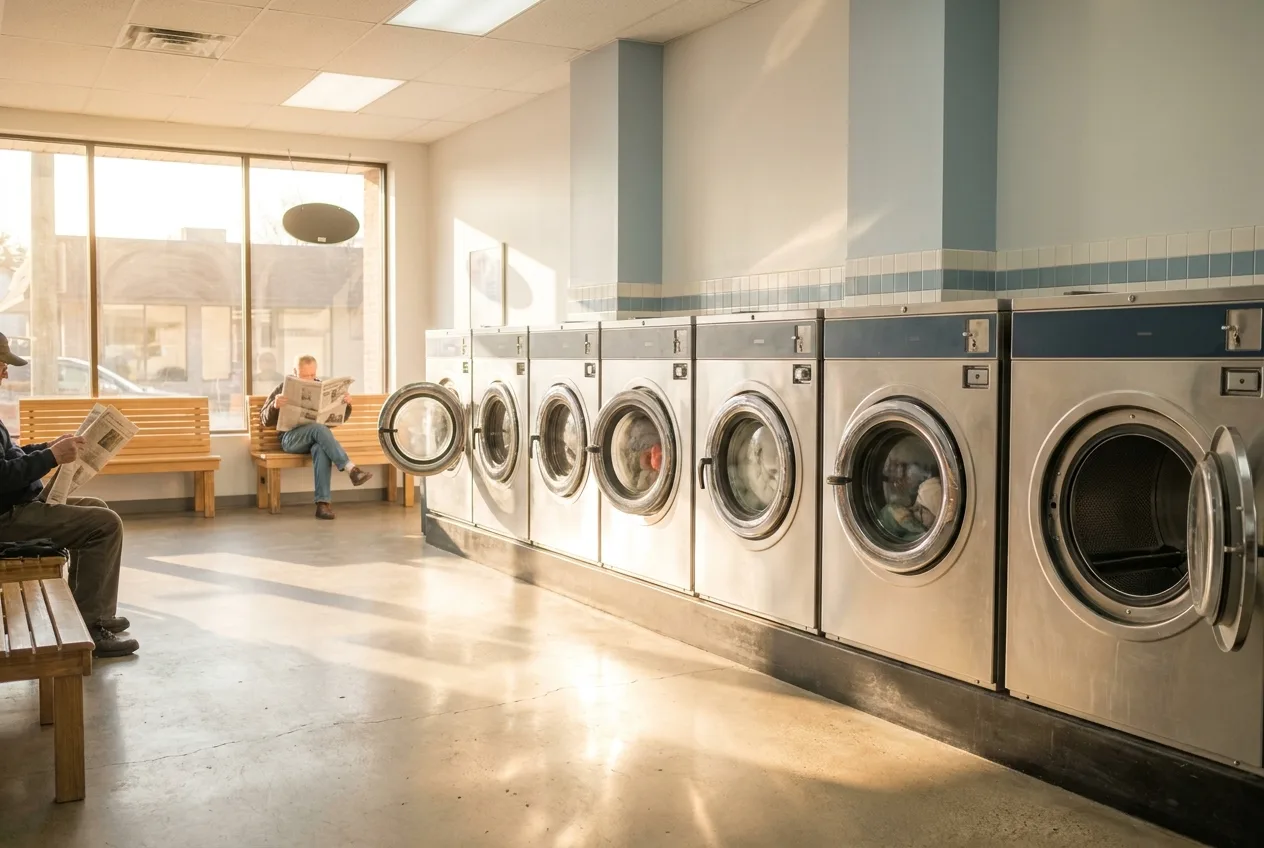
Off-peak discounts are the safest promotion because empty machine time has almost no marginal cost, so any turn you add during slow hours is close to pure contribution. A washer sitting idle earns nothing; a washer running at a modest discount still covers its utilities and adds margin on top.
Consider a store whose mornings run near empty. Offering a lower wash price before noon on weekdays can pull price-sensitive customers, retirees, remote workers, out of the crowded evening rush. That does two things: it earns revenue on previously dead capacity, and it relieves peak congestion that was costing you turns when every machine was full and people left. For how full-capacity peak hours cap revenue, see how to increase turns per day at a laundromat.
The discount only leaks if your slow hours are not actually slow, so read your own usage data before setting the window.
How do loyalty programs protect margin?
Loyalty programs protect margin by rewarding frequency and spend rather than cutting the base price, so the discount only pays out after a customer has already given you repeat business. A tenth-wash-free style reward, for example, is funded by nine paid visits, which makes the effective discount small relative to the revenue it secures.
Well-designed loyalty:
- Ties the reward to accumulated visits or spend, so casual price-shoppers do not trigger it.
- Nudges wash-and-fold and add-on purchases, which carry more margin than a basic wash.
- Runs on a value-add card or app, which also cuts cash handling and captures customer data.
The risk is over-generosity. A reward that pays out too often, or stacks on other discounts, drifts back toward a permanent price cut. Set the threshold so the program clearly costs less than the repeat revenue it drives, and revisit it if redemptions look too easy.
How should referral offers be structured?
Structure referral offers so you pay only when a genuine new customer completes a visit, because that ties the entire cost of the promotion to acquiring someone new. A referral that rewards both the existing customer and the newcomer, but only after the newcomer actually pays, cannot leak to existing full-price traffic.
A clean structure looks like:
- The reward triggers on the new customer's first completed, paid visit, not on a signup.
- Both sides get a modest, capped benefit, such as a credit toward a future wash or wash-and-fold order.
- Redemption is tracked through a card, app, or code so you can confirm it was a real new customer.
Referrals work especially well for wash-and-fold and delivery, where trust matters and a neighbor's recommendation carries weight. Point the offer at those higher-margin services and it grows the most valuable part of the business. See how to attract wash-and-fold customers for the service side.
Which promotions quietly destroy margin?
The margin killers are blanket peak-hour discounts, deep or frequent price cuts, and standing offers that regulars learn to time their visits around. Each one gives revenue back on business you already had, and the worst of them permanently reset what customers expect to pay.
Common traps:
- Weekend or evening discounts, which subsidize your busiest, most loyal, least price-sensitive customers.
- Deep across-the-board cuts that train customers to wait for the next deal.
- Permanent low vend prices marketed as a promotion, which is really just underpricing.
- Stacking offers, where loyalty, referral, and coupons combine into a giveaway.
A useful discipline: if you cannot name who the offer is meant to bring in that you would not otherwise get, do not run it. And no promotion offsets structurally weak pricing; if utilities have outrun your vend price, the answer is a price review, covered in when to raise laundromat prices, not another coupon. If rising water and gas costs are the real problem, efficiency upgrades and rebates tracked by Energy Star address the cause a discount cannot.
How do you measure whether a promotion worked?
Measure a promotion by comparing turns, revenue, and utility usage during the offer against a normal period, because that tells you whether it added volume or just moved money. Redemption counts alone are misleading, since they include customers who would have paid full price.
Track a few simple signals:
- Turns per day and revenue in the targeted window versus a comparable baseline week.
- New-customer redemptions specifically, separated from existing-customer use.
- Water and utility usage, which roughly tracks cycles run and confirms real added volume.
- Whether wash-and-fold or add-on sales rose alongside the promotion.
Run offers as small tests with a defined end date, keep the ones that clearly added incremental business, and drop the ones that only shifted revenue around. Model the underlying economics with the laundromat cash flow calculator before committing to a recurring discount.
Frequently asked questions
What is the safest promotion for a laundromat to run?
An off-peak discount tied to genuinely slow hours is usually the safest, because empty machine time has almost no marginal cost, so any turn you add is close to pure contribution. It also relieves peak congestion that can cost you turns when every machine is full. Just confirm from your own usage data that the targeted hours are actually slow.
Why is a weekend discount a bad idea?
Weekends are typically your busiest hours, so a blanket weekend discount mostly gives money back to loyal customers who would have paid full price anyway. It rarely adds new turns because the machines were already in demand. If you want to discount, aim at slow windows instead of peak ones.
How do I keep a loyalty program from eating my margin?
Set the reward threshold so the program clearly costs less than the repeat revenue it drives, for example funding a free wash with several paid ones. Avoid letting offers stack, and revisit the threshold if redemptions look too easy. Tie rewards to frequency or spend rather than cutting the base price.
Do coupons train customers to wait for deals?
Frequent or deep across-the-board coupons can, because customers learn to time their visits around the next offer, which resets what they expect to pay. Conditional offers aimed at new customers, slow hours, or referrals avoid this because they do not discount routine full-price traffic. Use price cuts sparingly and purposefully.
How do I know if a promotion actually worked?
Compare turns, revenue, and utility usage during the offer against a normal baseline week, and separate new-customer redemptions from existing-customer use. Water usage roughly tracks cycles run, which helps confirm real added volume. Keep offers that clearly added incremental business and drop the ones that only shifted revenue around.